



There is something compelling about the open landscape of the Blackdevon Wetlands by Alloa, a place of wide horizons and a perennial breeze.
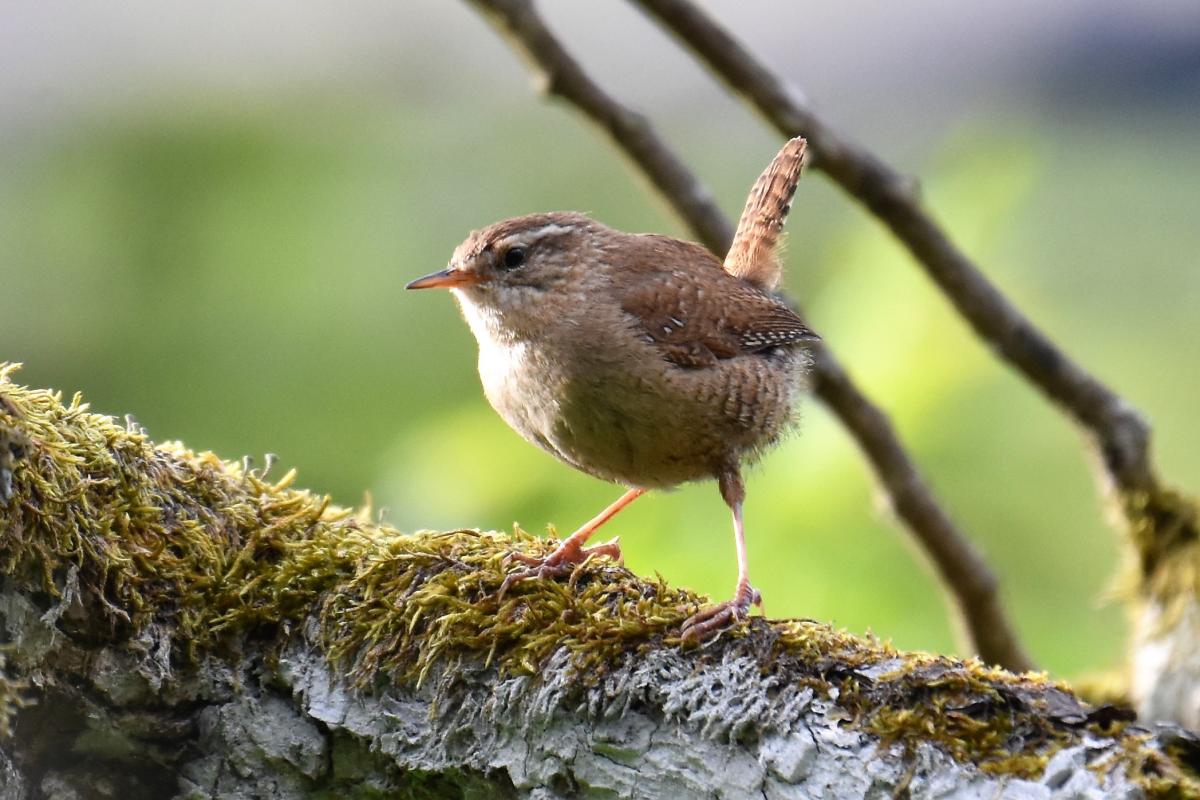
On my most recent visit, however, it wasn’t the waterfowl on one of the pools that caught my eye, but rather a diminutive wren flitting about in the reeds next to the walkway that leads to the bird observation point.

The behaviour of the wren was more akin to a mouse than a bird, creeping this way and that and investigating every nook and cranny, and crawling beneath the thickest mats of vegetation.
Its family name Troglodytes provides a perfect summation of its almost subterranean lifestyle amongst the darker recesses that this intriguing little bird just loves to haunt.
The wren is cosmopolitan where it can be found too, and whilst principally a bird of our gardens, woods and hedgerows, it also occurs in more unforgiving places.
It frequently occurs in the high Ochils, especially along hill burns up to about 600m, even in the depths of winter, feeding safely beneath bank overhangs and in among withered bracken.

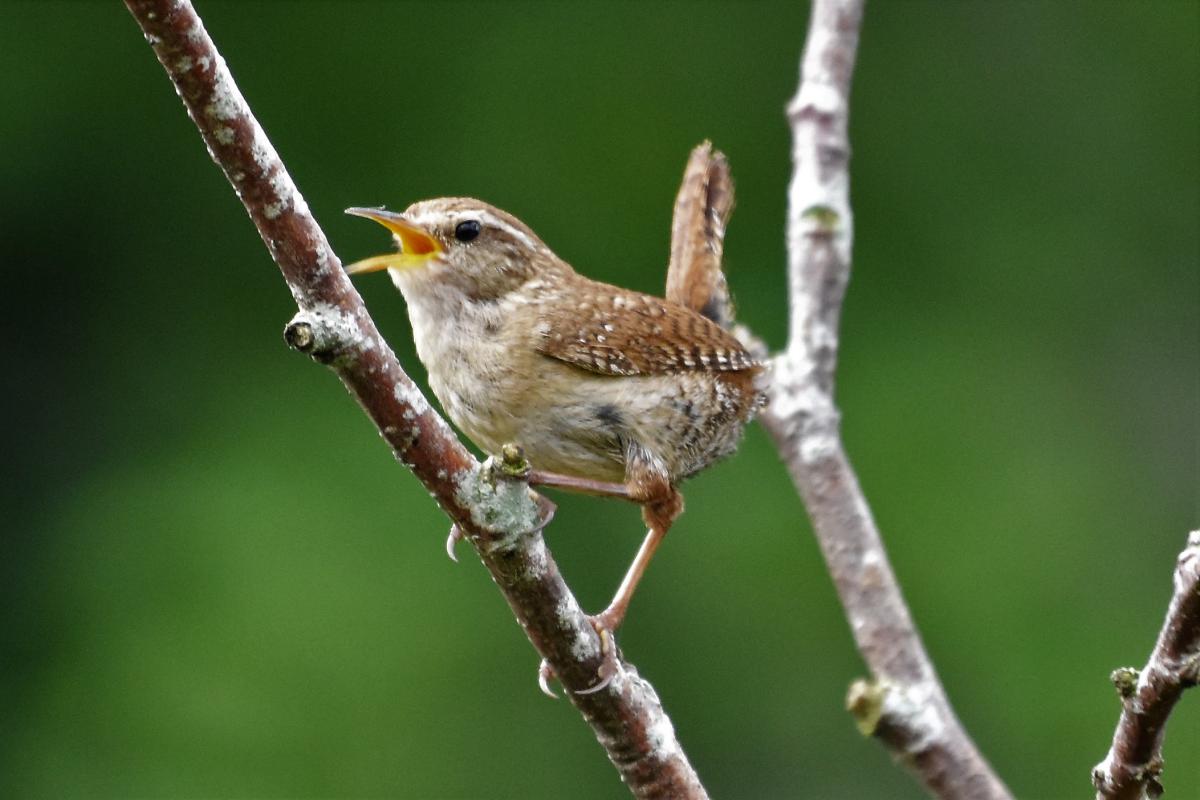
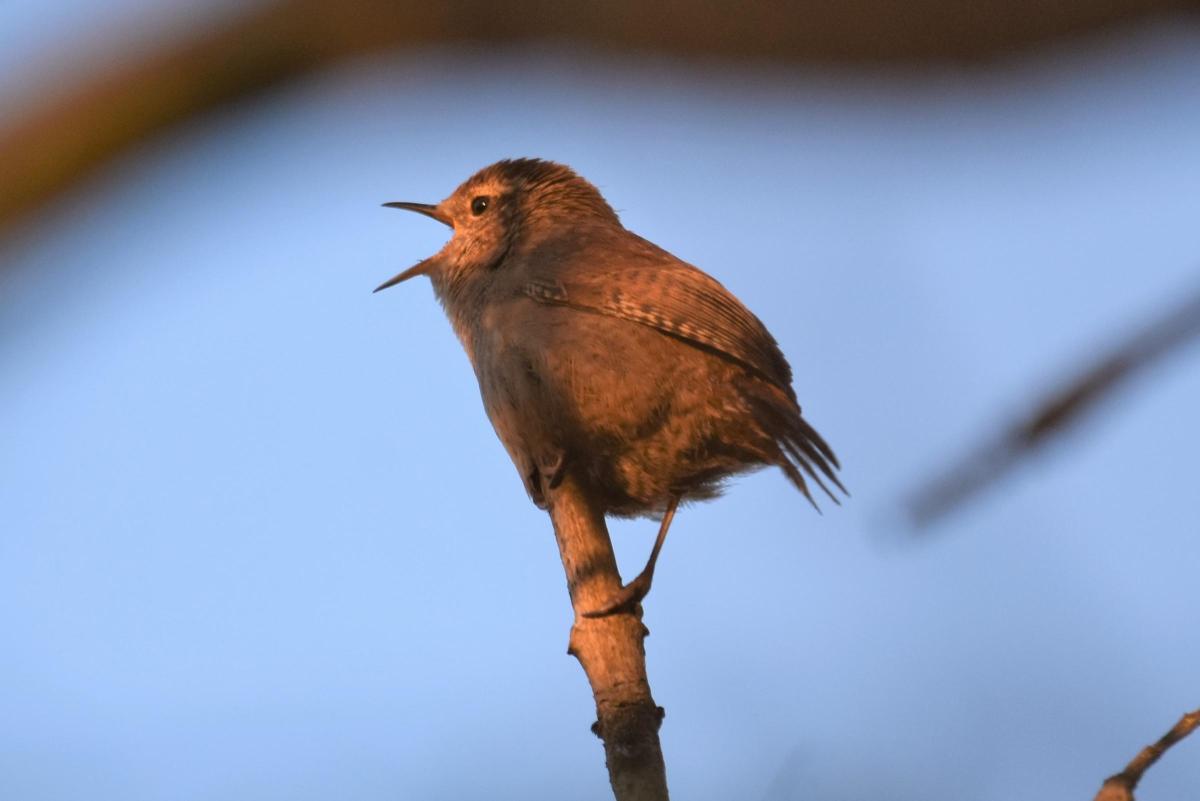
The wren is an incredible songster, spilling forth a rich volley of notes that belies its tiny stumpy form.
The male in spring puts every ounce of energy into his song, the wings and tails vibrating with the sheer passion of delivery.
The most endearing part of his behaviour is the endless effort to impress females with his nest building skills.
In spring, the determined cock bird will build several intricately constructed nests to attract a mate.

This ball-shaped masterpiece with its tiny entrance hole is sometimes built in a bush, but more usually in a crevice in a wall, or amongst the roots of an up-ended tree.
The female then casts a critical eye over each nest and the one that meets her approval is lined with feathers in preparation for egg laying.
Whilst such endeavours mean a considerable expenditure of effort for the male, the plus side is that his nests may attract more than one female for him to mate with.

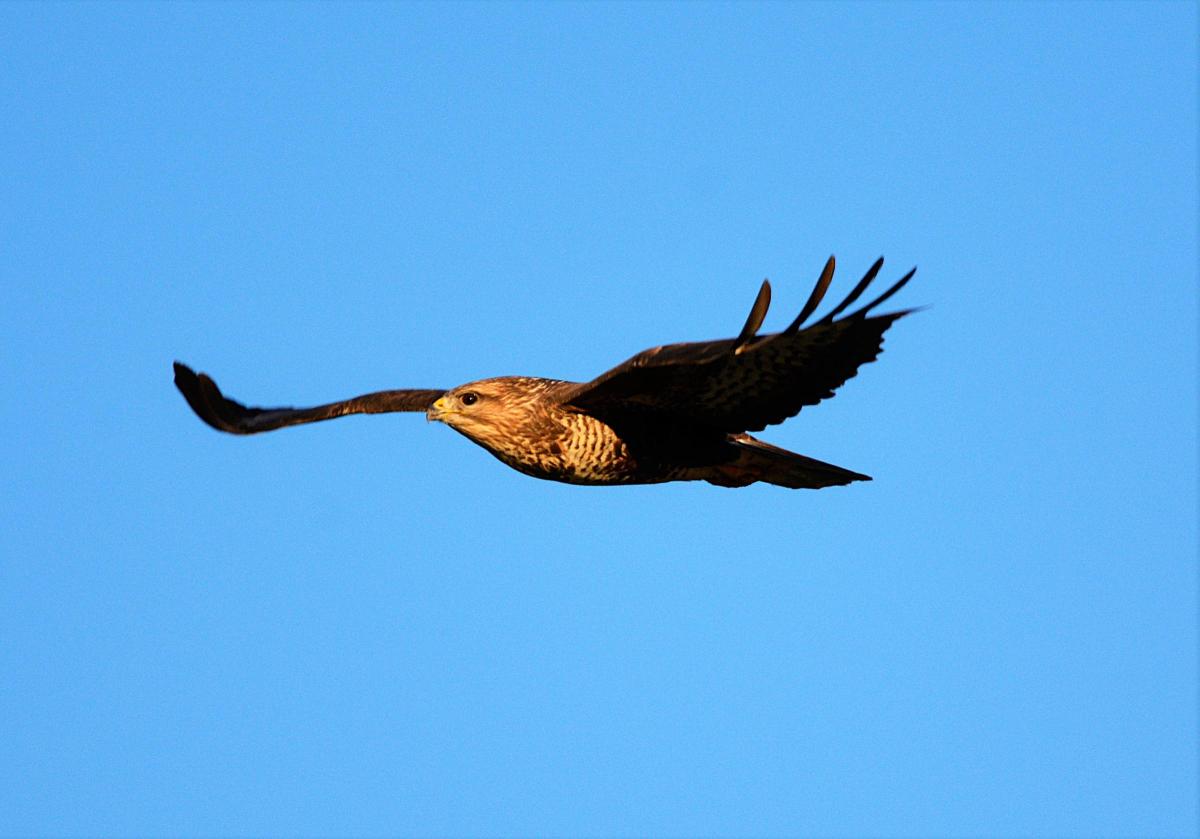
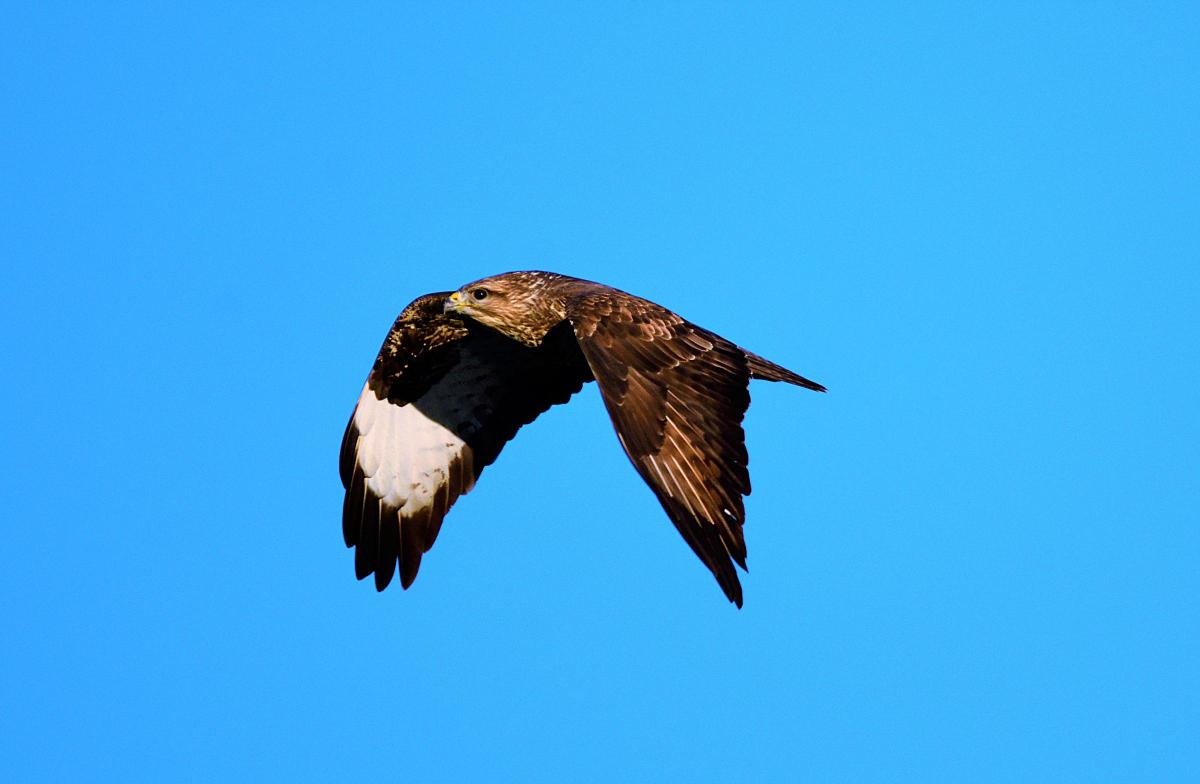
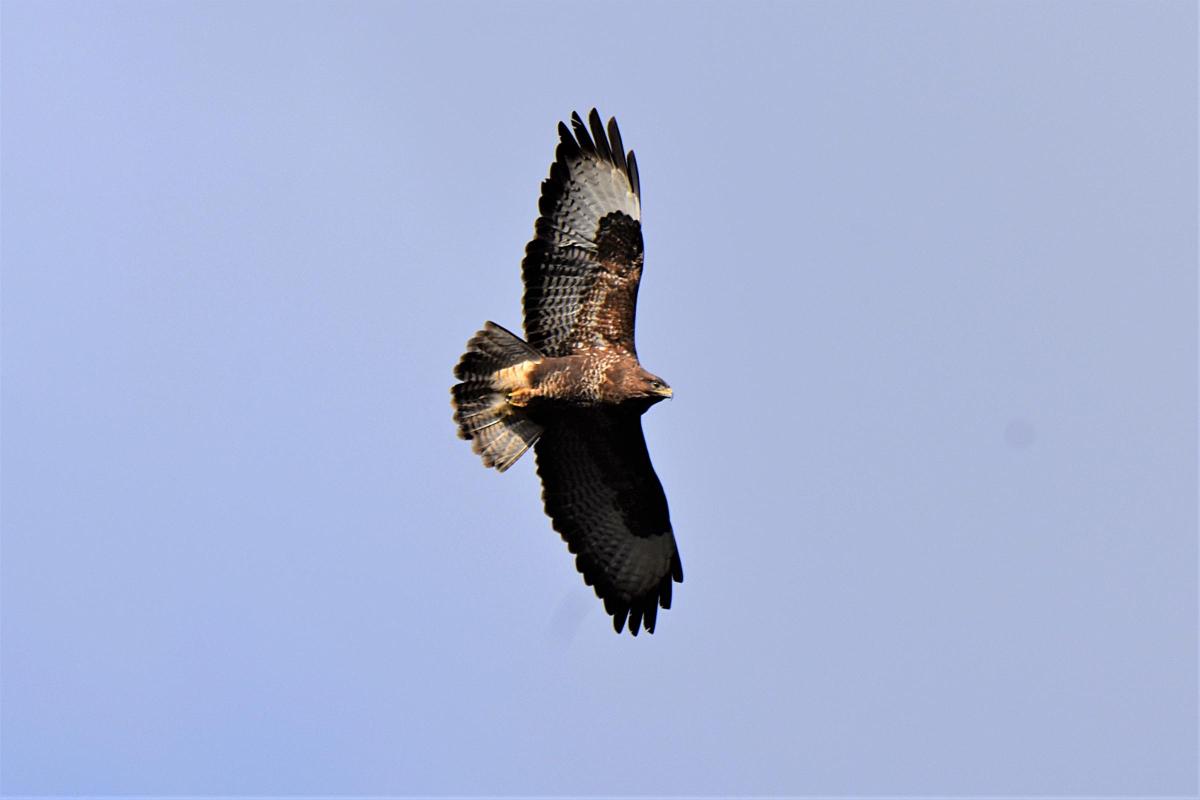
On my return journey back to Alloa, a buzzard soared in the heavens above me.

As I watched the raptor, it was hard to imagine that it wasn’t that long ago that the buzzard was absent or rare in Clackmannanshire.
But in a quite remarkable recovery fuelled by a dramatic reduction in human persecution it is now our commonest bird of prey – which goes to show that nature can thrive, if we give it the opportunity to do so.


Share