


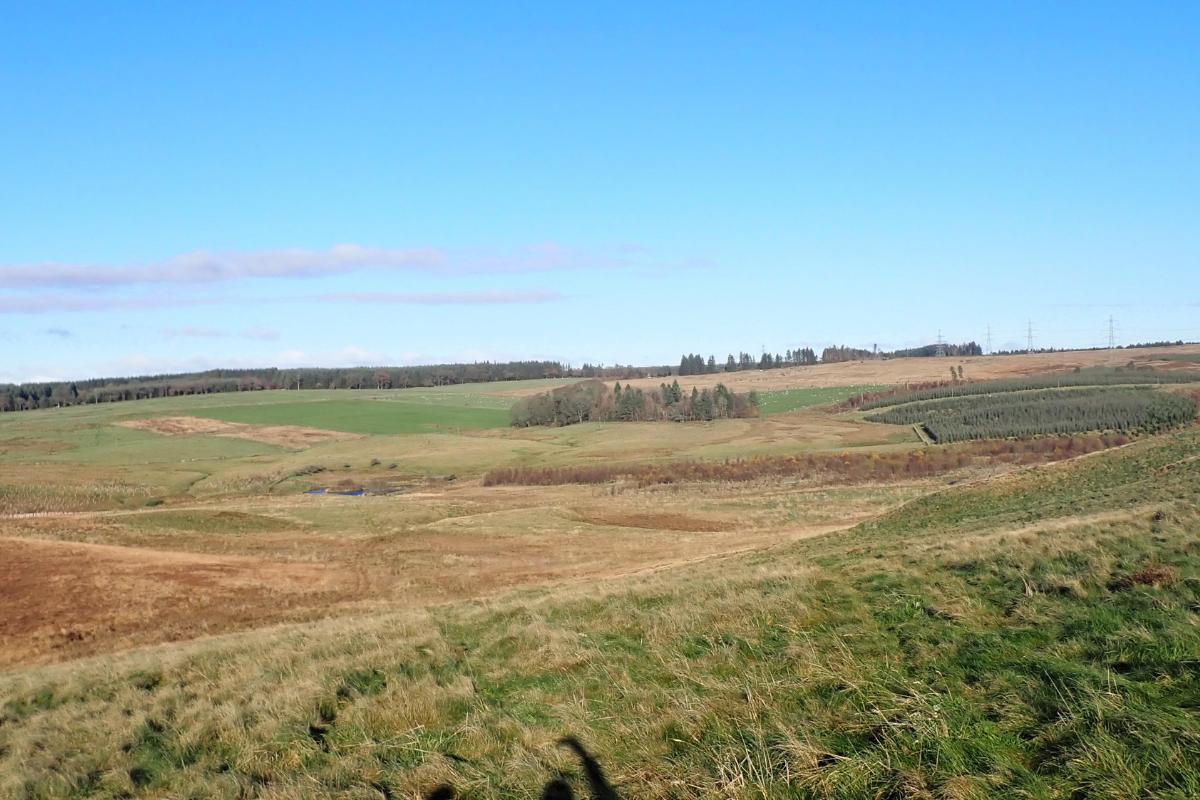

A circular walk that started at the Pendreich Forest car park near Dumyat and which followed a path past Cocksburn Reservoir and then onto Sherrifmuir before returning via the small road that bisects the moor brought me close to both nature and our blood-stained history.
When one overlooks the battlefield site of Sheriffmuir, it is hard to visualise the savagery of the battle that had unfolded here on a November day in 1715, a bloody affair of sword combat and close-quarter musket fire, the cries of fallen men and the whiff of gunpowder.
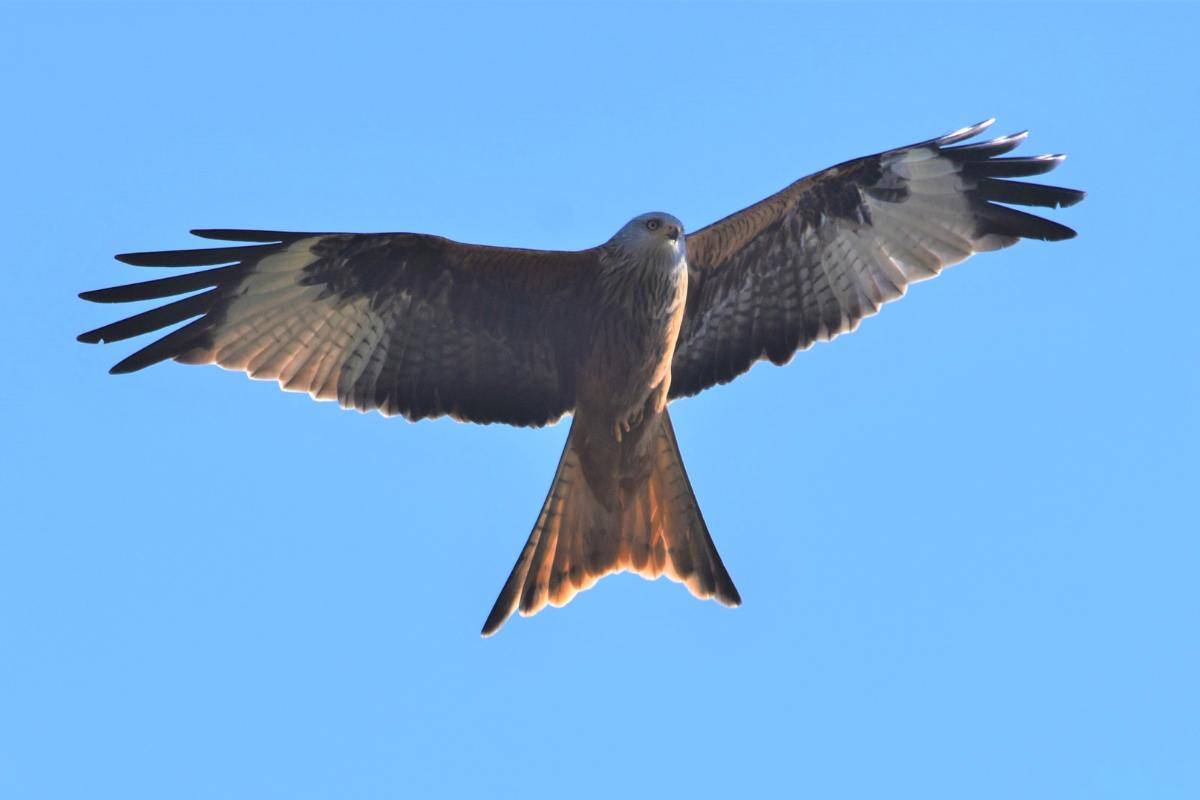
Now, nature rules supreme, and a red kite swirled lazily in the sky above me, while in the distance a buzzard mewed as if in lament to the lost souls of this tumultuous battle.
Although where I was standing was just outside Clackmannanshire, the whole landscape merges seamlessly into the Wee County a short distance to the east.

Looking towards the summit of Colsnaur and to the other hills beyond also brought fond memories of winter hikes to these high tops.
There is something magical about the high ground of the Ochils in winter, and whilst birdlife is scarce, there is always the chance of a surprise or two.
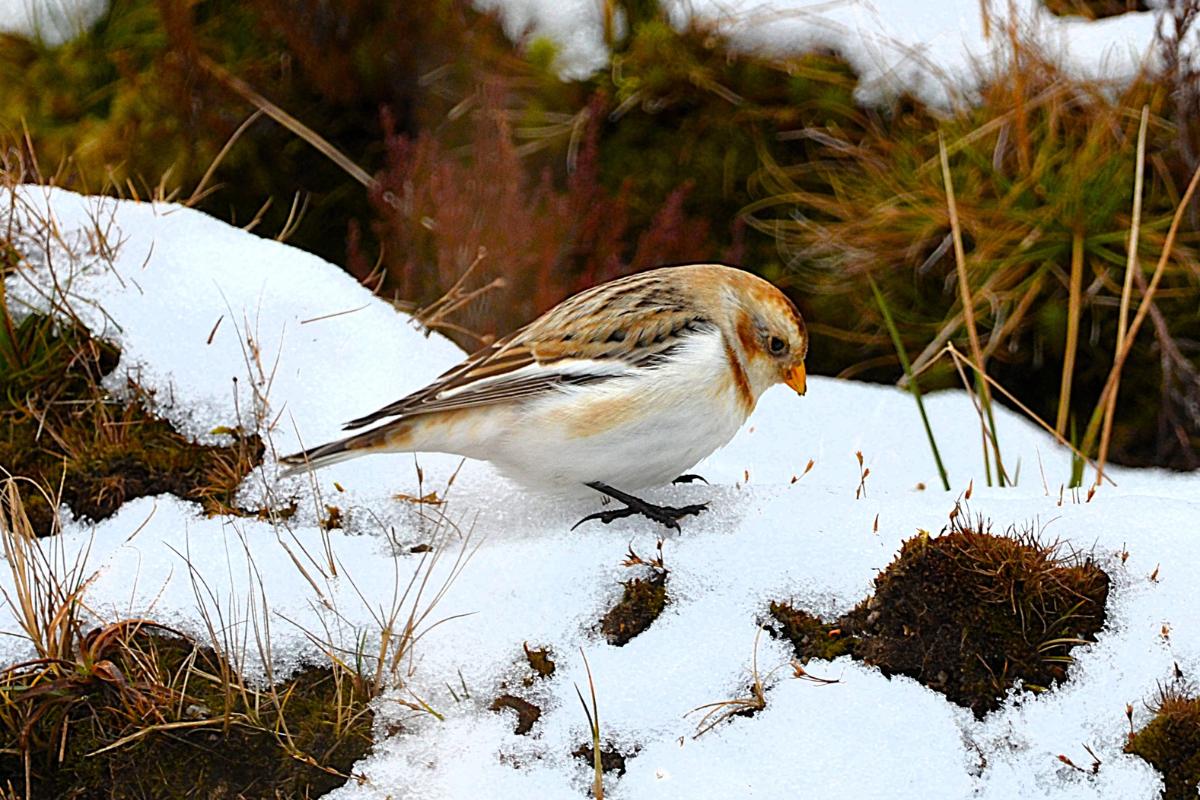
For example, I still recall being enthralled by finding a pair of snow buntings near the top of King’s Seat Hill one January day.

These finch-like birds whirled low over the winter-withered grass like dancing snowflakes.
These scarce winter visitors to our shores from the sub-Arctic were remarkably tame, and I became completely engrossed by them as they foraged.
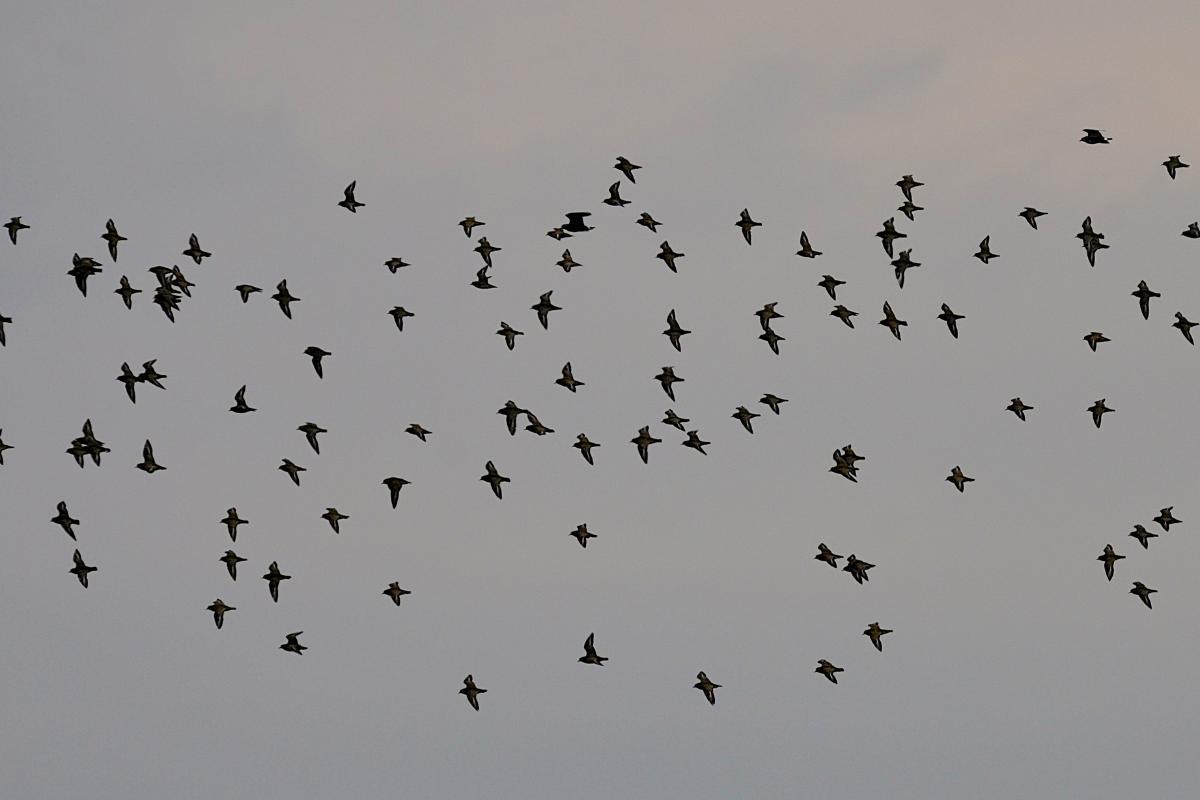
On another occasion, I stumbled upon a flock of golden plovers on nearby Skythorn Hill that took to the air on flashing wings, and flickered and swerved in perfect unison.
The bleak landscape seemed a peculiar place to find golden plovers in winter, and I can only presume they were in transit from one feeding area by the coast to another.

Putting these memories to the back of my mind, I moved on from my vantage point by Sheriffmuir, deep in thought about the past turmoil in the environment around me, humbled by the poverty and everyday dangers our ancestors endured.
Soon, a flickering in among a twisted cluster of withered, rust-hued bracken drew my attention.
A small bird spiralled up and alighted on the wire of a deer fence.

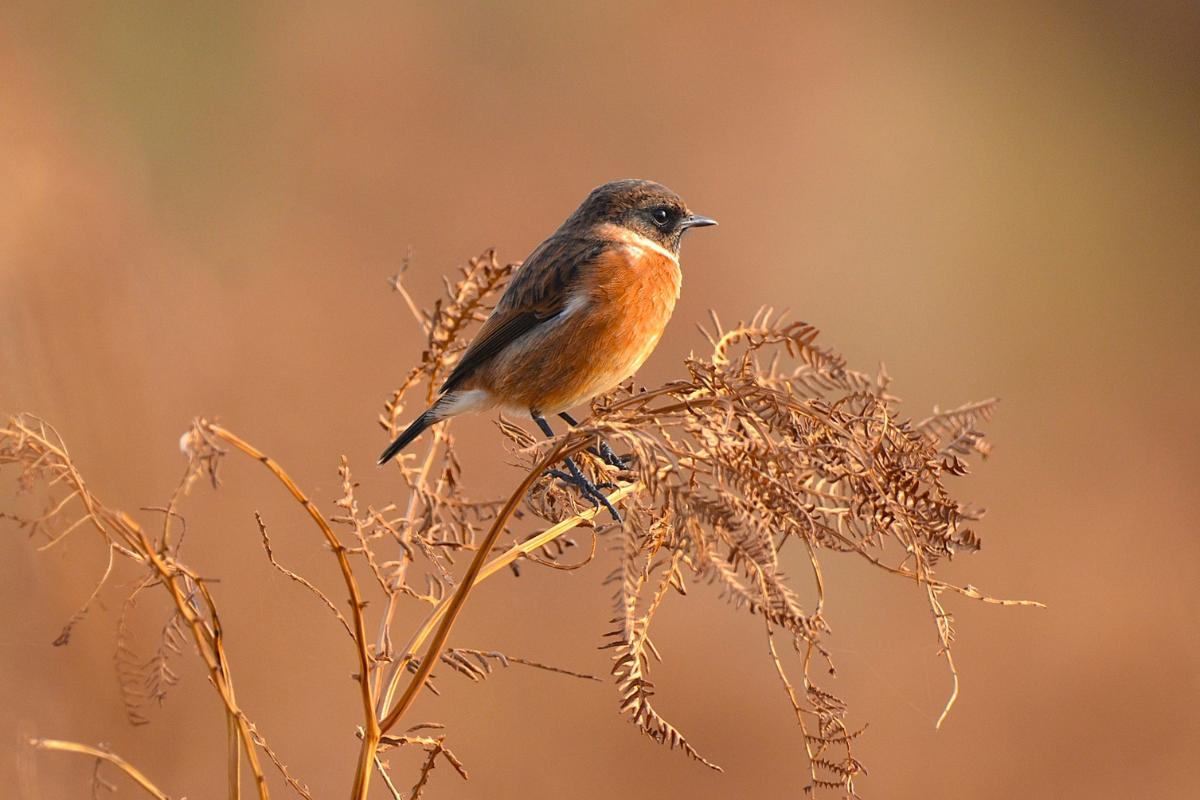
It was a stonechat, a handsome bird with a dark head and a dumpy body.
Stonechats are real posers, like nothing better than to sit on a prominent perch to survey the world around them.
This male bird flicked his short tail nervously several times from his wire perch and then twirled back down into the bracken to search for invertebrates hidden deep within the leaf tangles of this historical landscape tainted with the blood of past conflict.


Share