



I am not sure the reason why, but when I set out one recent morning for a walk along the bankside of the River Devon there was a strange upwelling of confidence within my mind that there was a good chance of spotting an otter.
I carefully padded along the river edge, examining the far bankside ahead of me. This is the best way of spotting otters, looking ahead and quite far down the river to pick out any tell-tale disturbance in the water. Then, a swirl in the river by the far bank, followed by a rolling wet-glistened furry back and the briefest glimpse of a pointy tail. An otter!

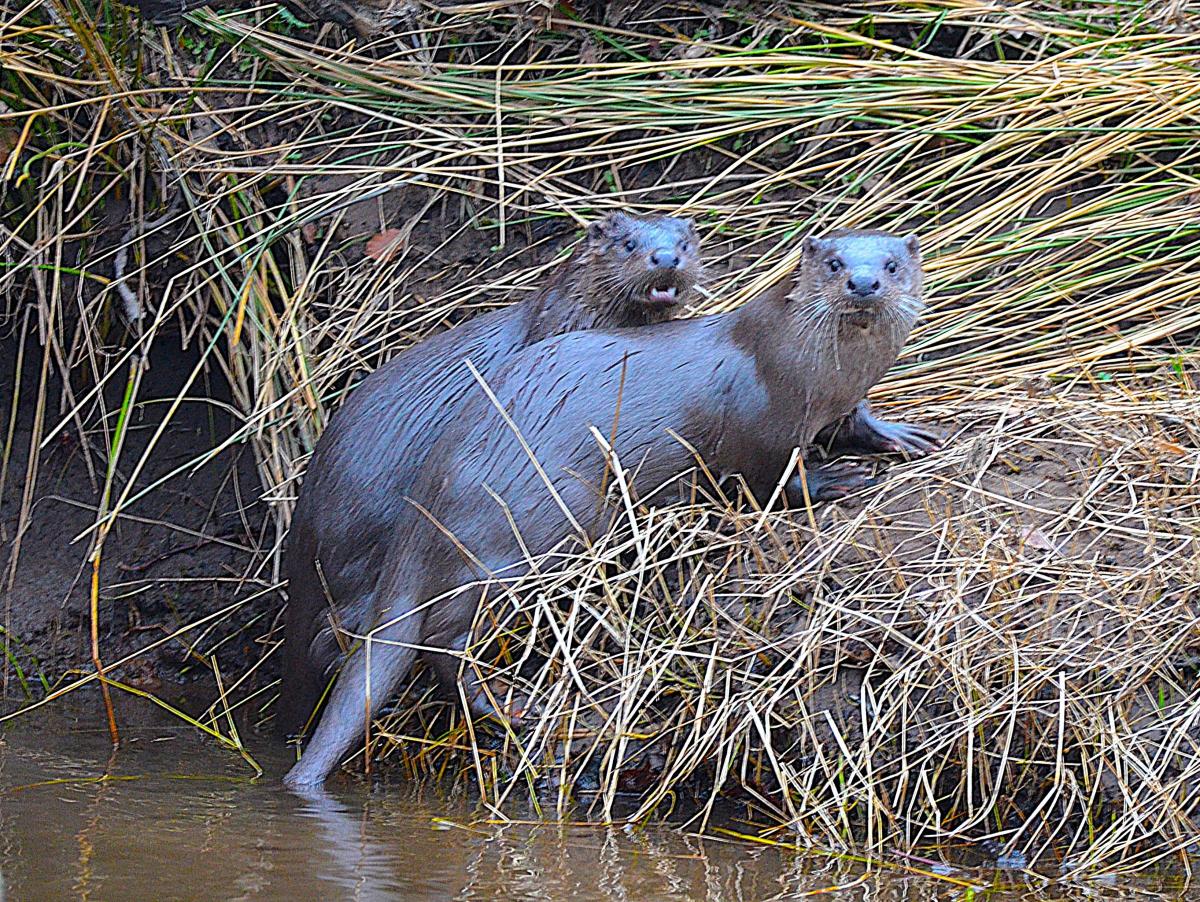
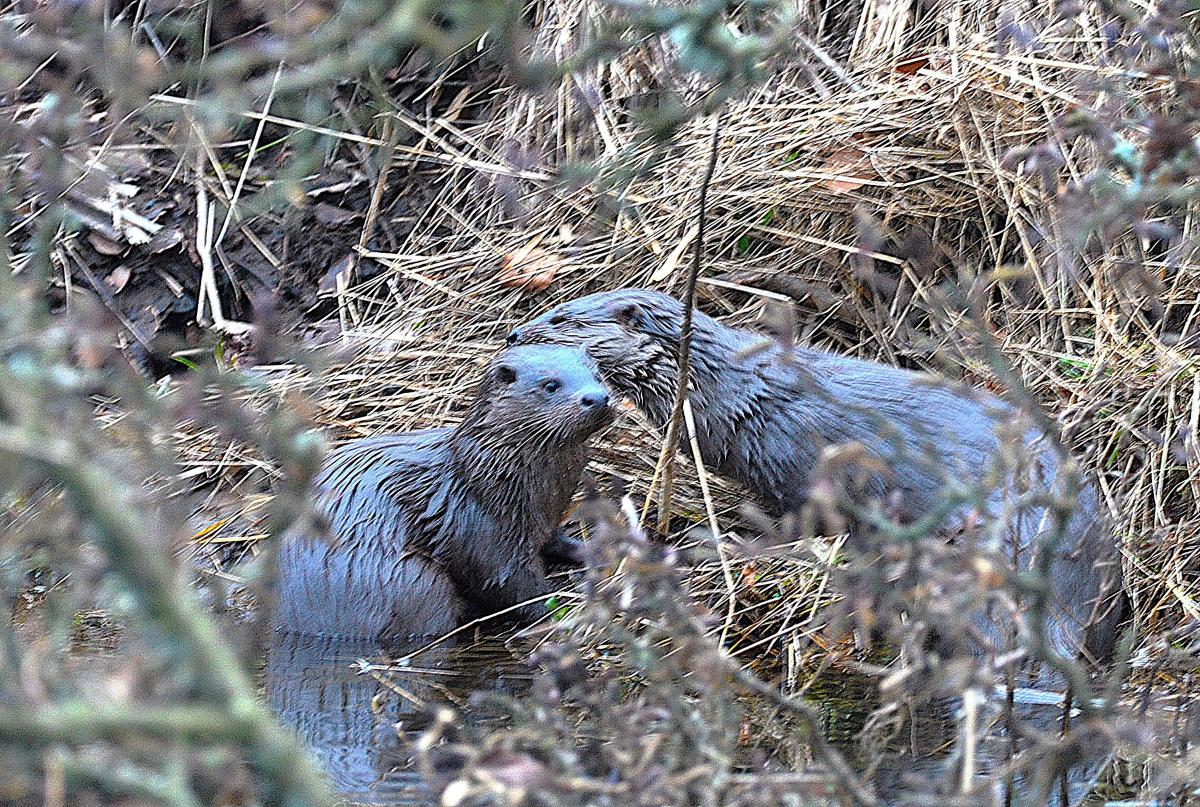
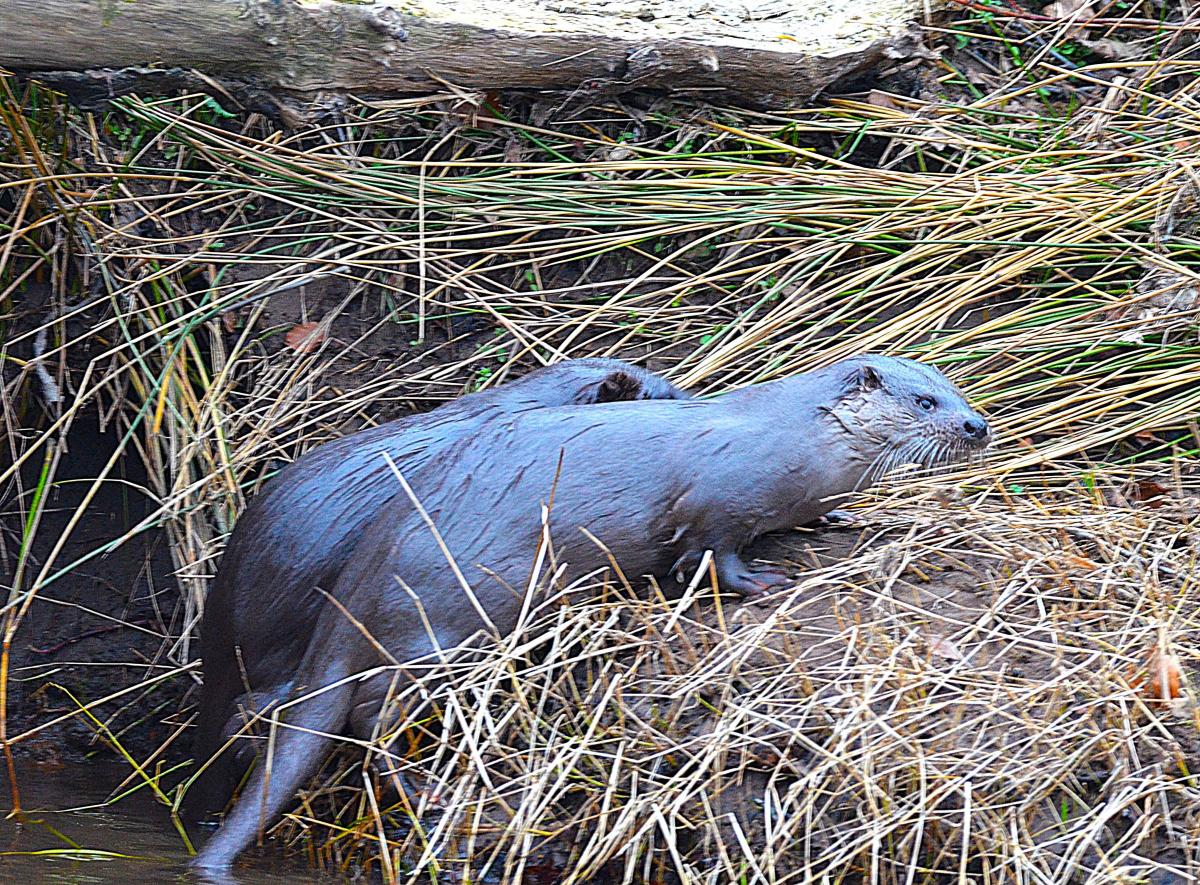
In fact, there were two of them, a mother and her well-grown cub, tumbling in the water liked fevered dervishes. I frequently observe this rolling behaviour by otters in shallow water by river banksides. Their behaviour might have been play, but I have often observed this swirling in the water from otters and believe it is a feeding activity where they stir up sediment to reveal prey.
I have also heard the suggestion that this tumbling helps keep their fur clean, untangled, and properly groomed. The rolling action traps air within the underfur, which is essential to keep the skin dry and warm in cold water. It is an interesting theory, although I still tend to think that feeding or play are the more likely explanations.
The cub was well-grown – almost adult sized – and this is a typical feature of otter families, with the young staying close to the mother for much longer than most other mammals.

It appears the bond between mother and young is strong, and one observation from the naturalist Charles St John at the turn of the 19th century noted: “Otters are very affectionate animals. If you shoot an old otter who has young in the vicinity, they very soon appear searching anxiously for their mother; and if you kill the young ones, the parent will come boldly to the surface, and hover about the place till she is killed herself.”
Thankfully, times have moved on since then, and otters are now revered rather than reviled.

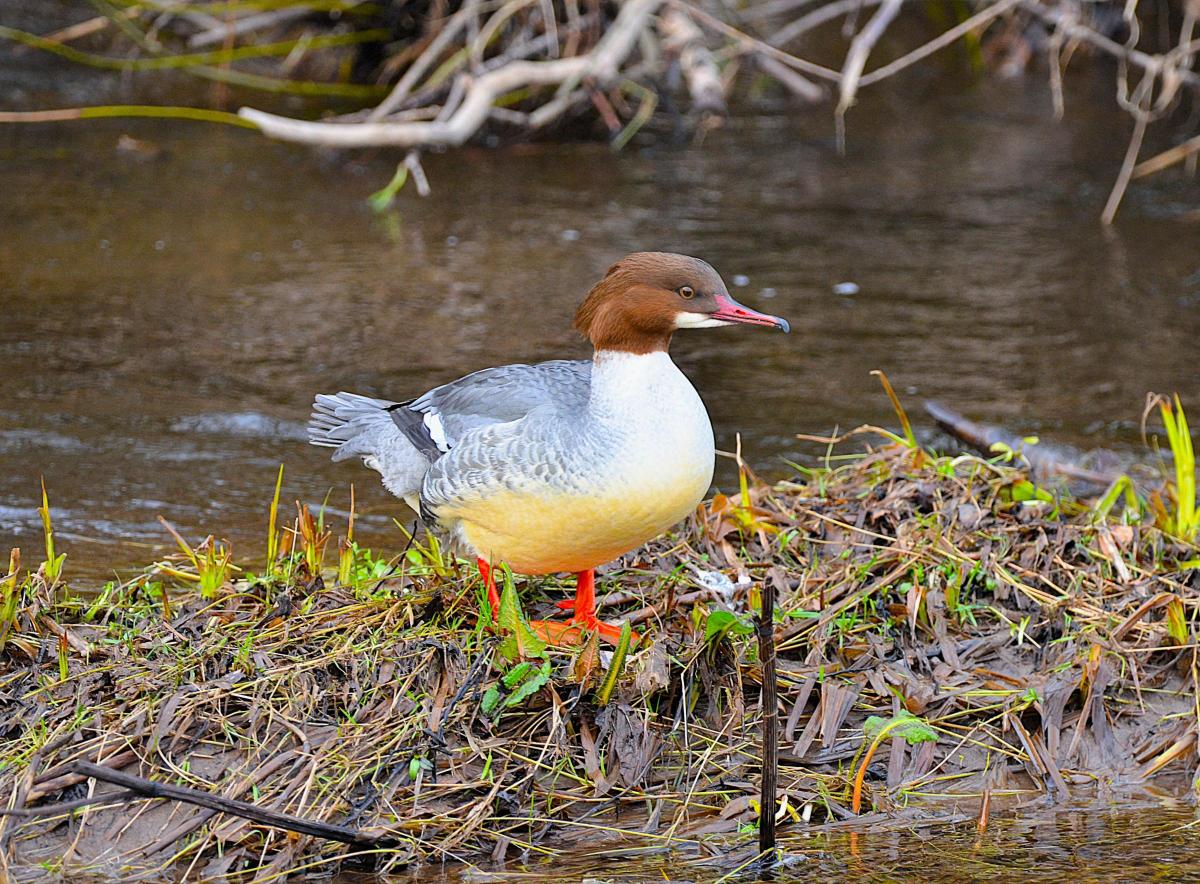
Once the otters had gone, my eyes were soon drawn to a female goosander resting on a mud bank on the river, and she peered at me cautiously lest I should approach too close. I gave her a wide berth and she soon relaxed once more.

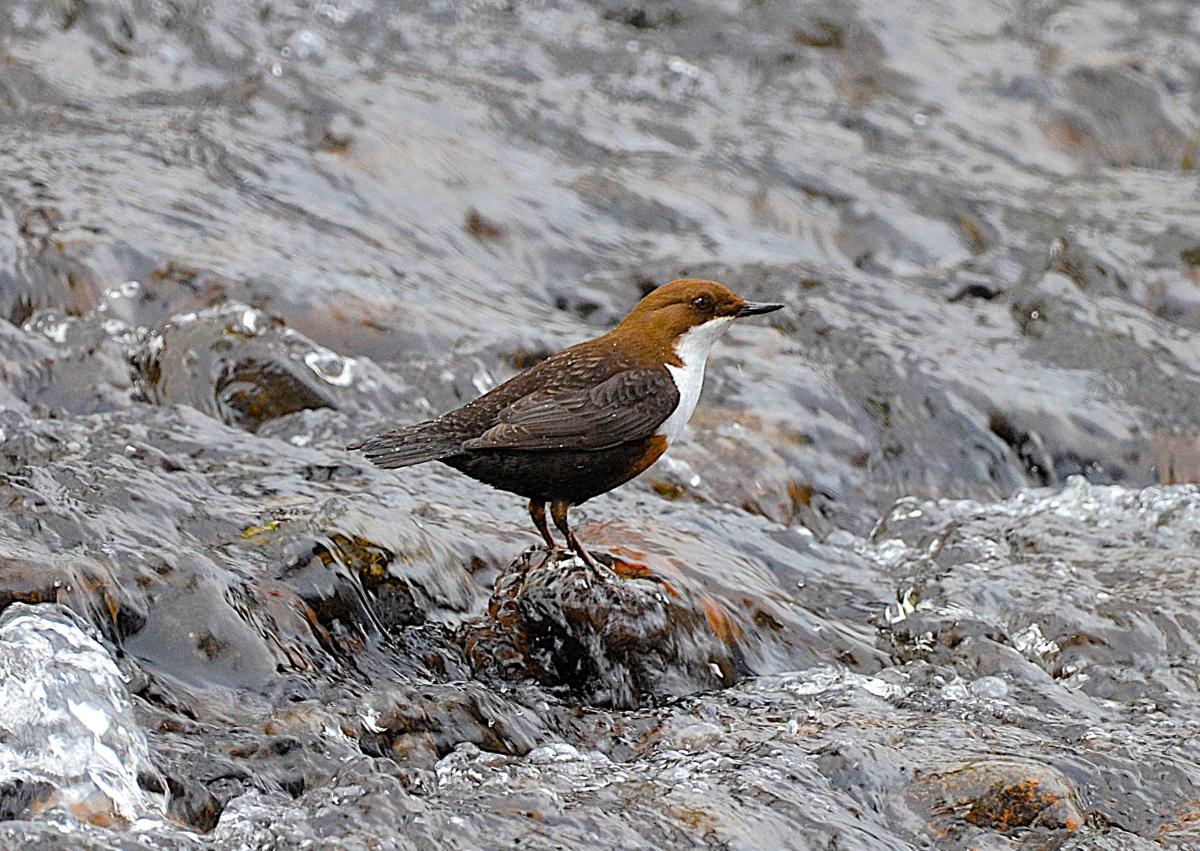
A dipper whirred upriver on brown-blurred wings and alighted on a boulder by the water’s edge, where he threw back his head and sang a few soft, melancholic notes. Dippers are early breeders and will soon be incubating eggs in their dome-shaped, mossy nests that are secreted beneath bank overhangs or under bridges.


Share