


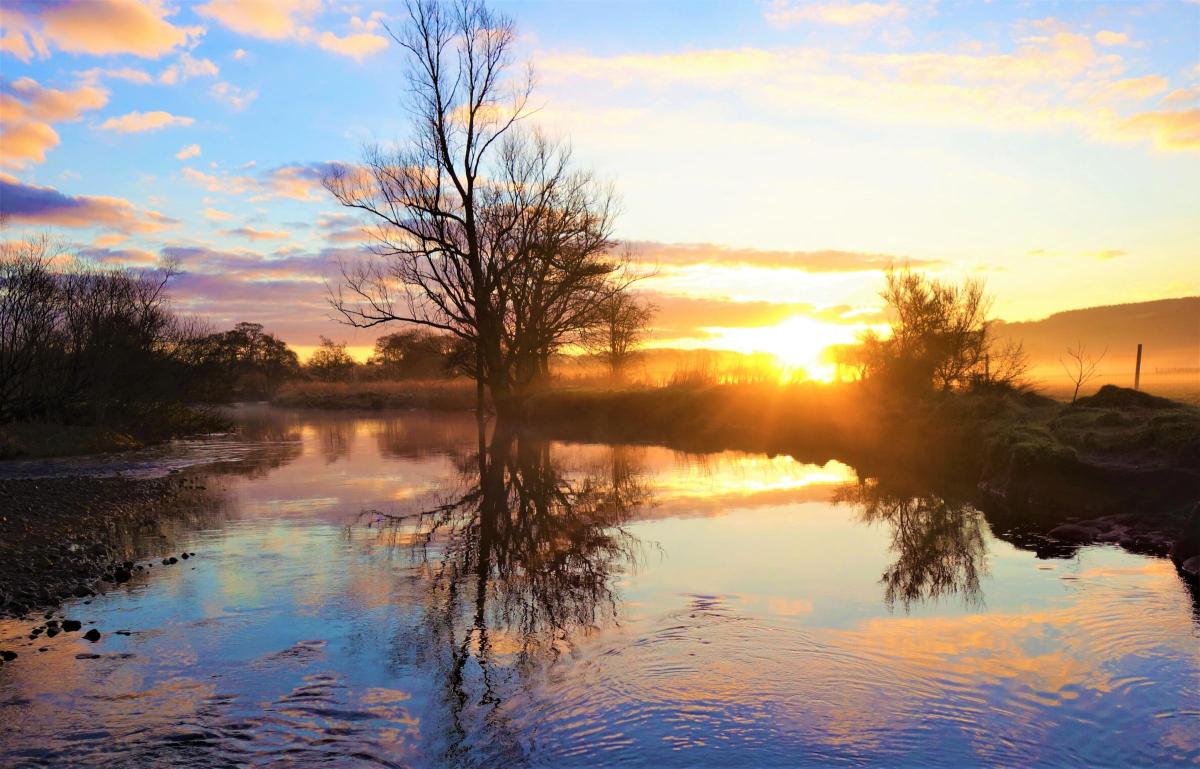

As the sun rose above a languid pool on the River Devon, there was nowhere else in the world I would rather have been such was the heavenly aura of the spring morning.
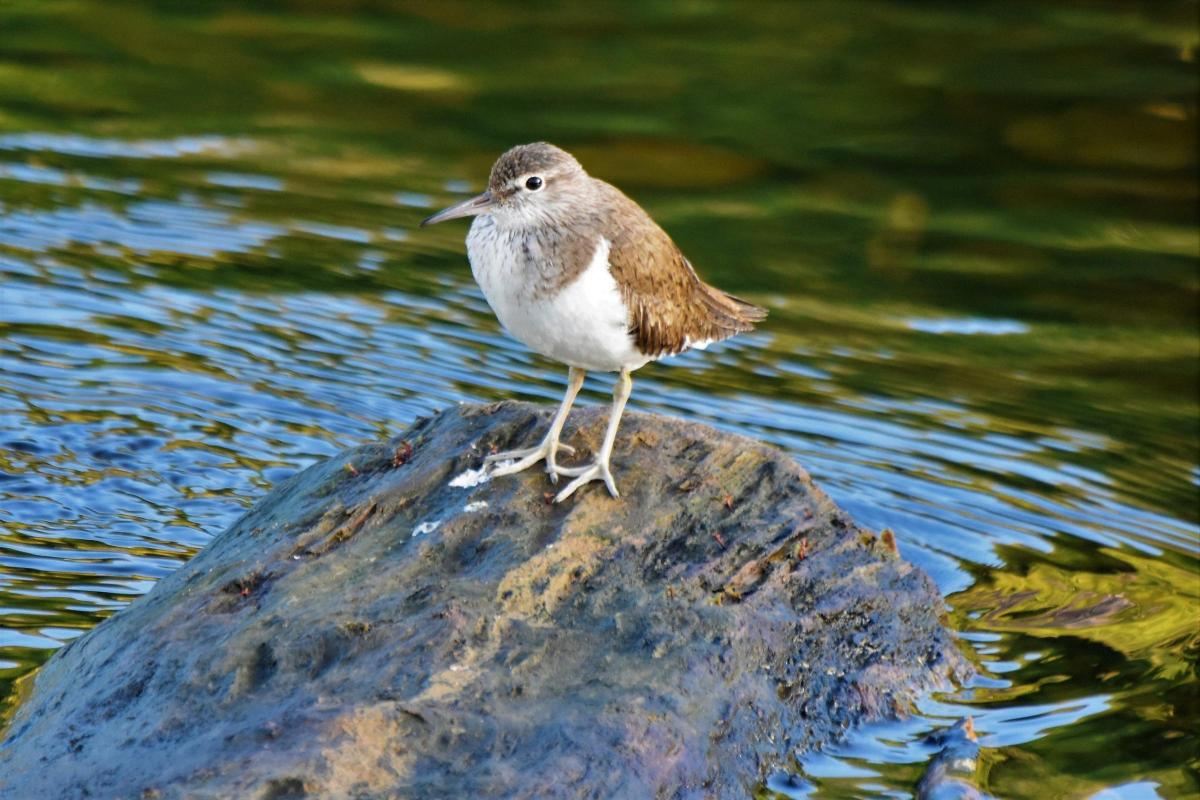
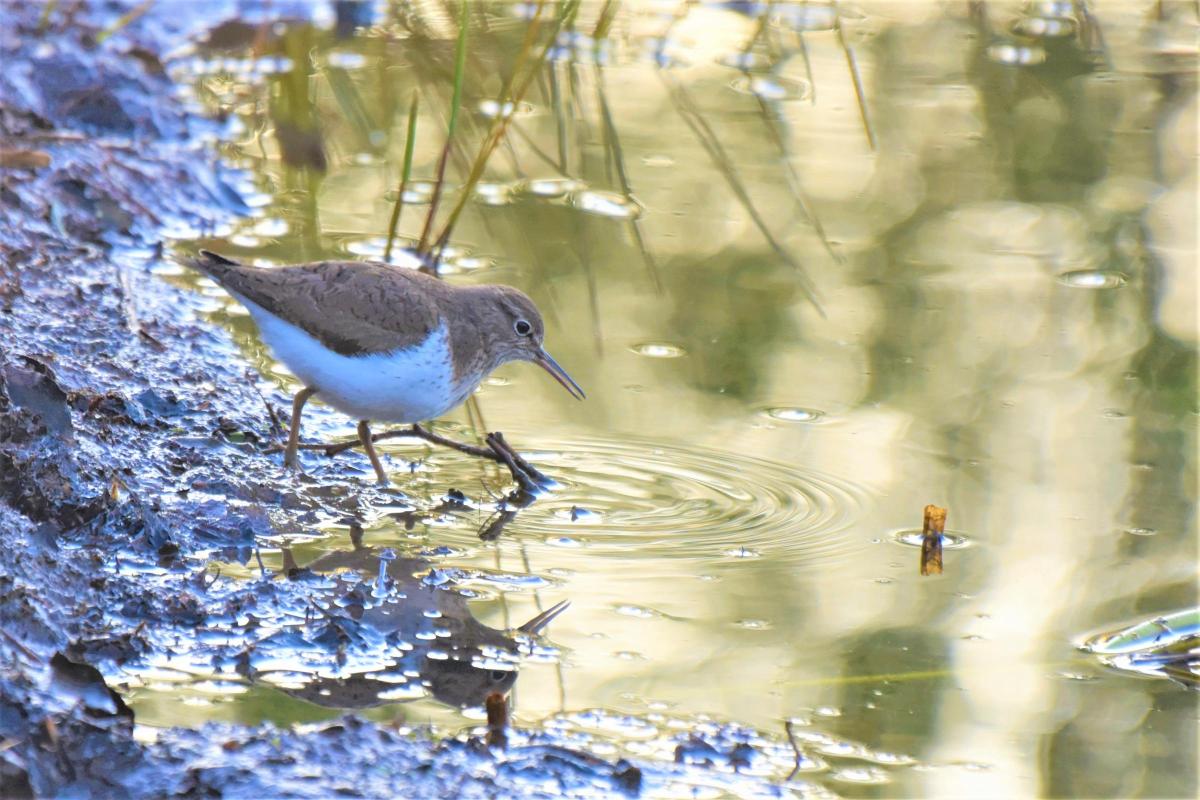
Under the gathering dawn, a sandpiper flew upstream on flickering wings before alighting on a shingle bank, his tail bobbing excitedly. He had found a female and with wings raised, strutted around her, piping continuously.

Sandpipers are charismatic little summer visiting waders that breed by our rivers and lochs. They nest on the ground close to the water’s edge, which is always a lottery, given that the eggs might get washed away should the river rise after heavy rain.

A ripple appeared in the rose-tinted water upstream – was it a trout or perhaps an otter on the move? The ripples receded and the river was calm was once more, making me think it was most likely a trout rising for a fly.
On walking the bank, I scrutinised gravel beds in the river in case there were any spawning brook or river lampreys about. Lampreys, which are eel-like in shape, represent some of the most primitive vertebrates alive today, being over 360 million years old. Technically, they are not true fish at all since they possess no jaws and possess only a cartilaginous skeleton.

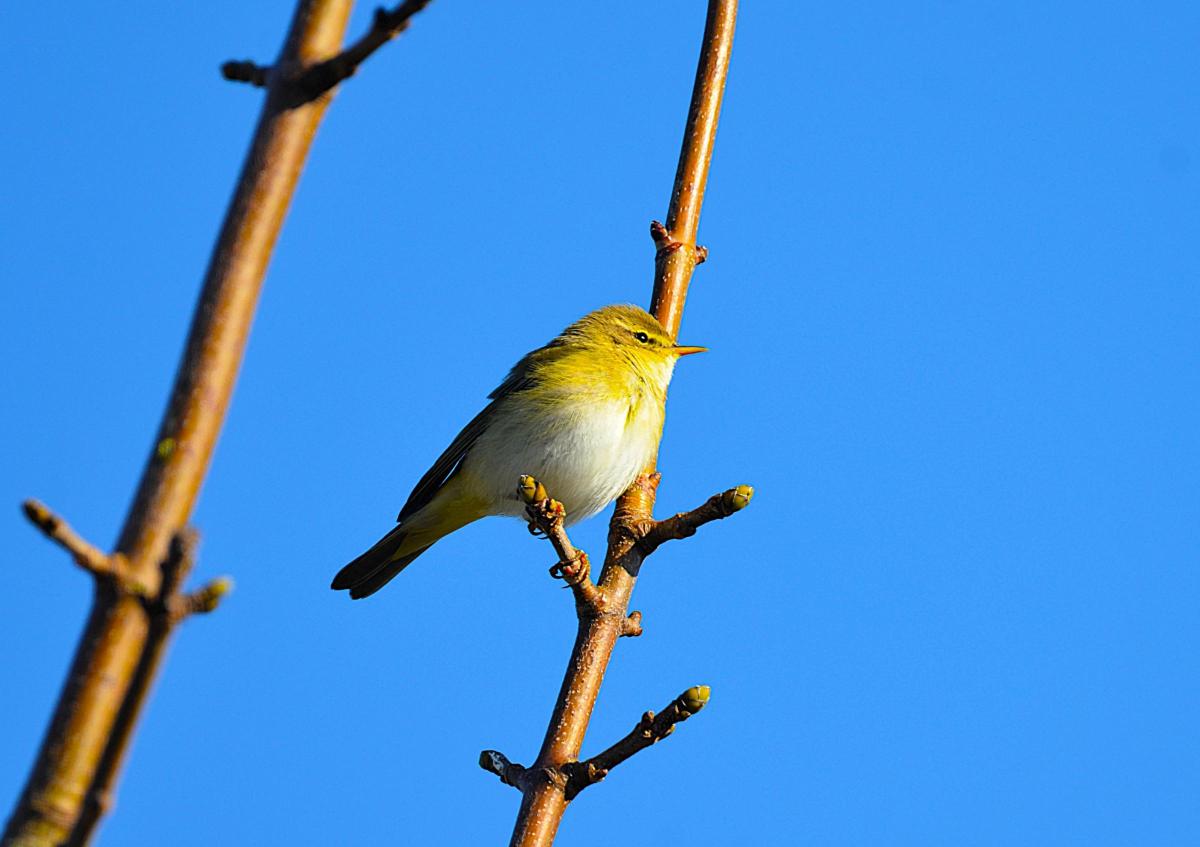
All around, the sweet, cascading songs of willow warblers breezed across the still morning air. It seemed as if nature was singing in celebration of a spring morning and it was truly uplifting.

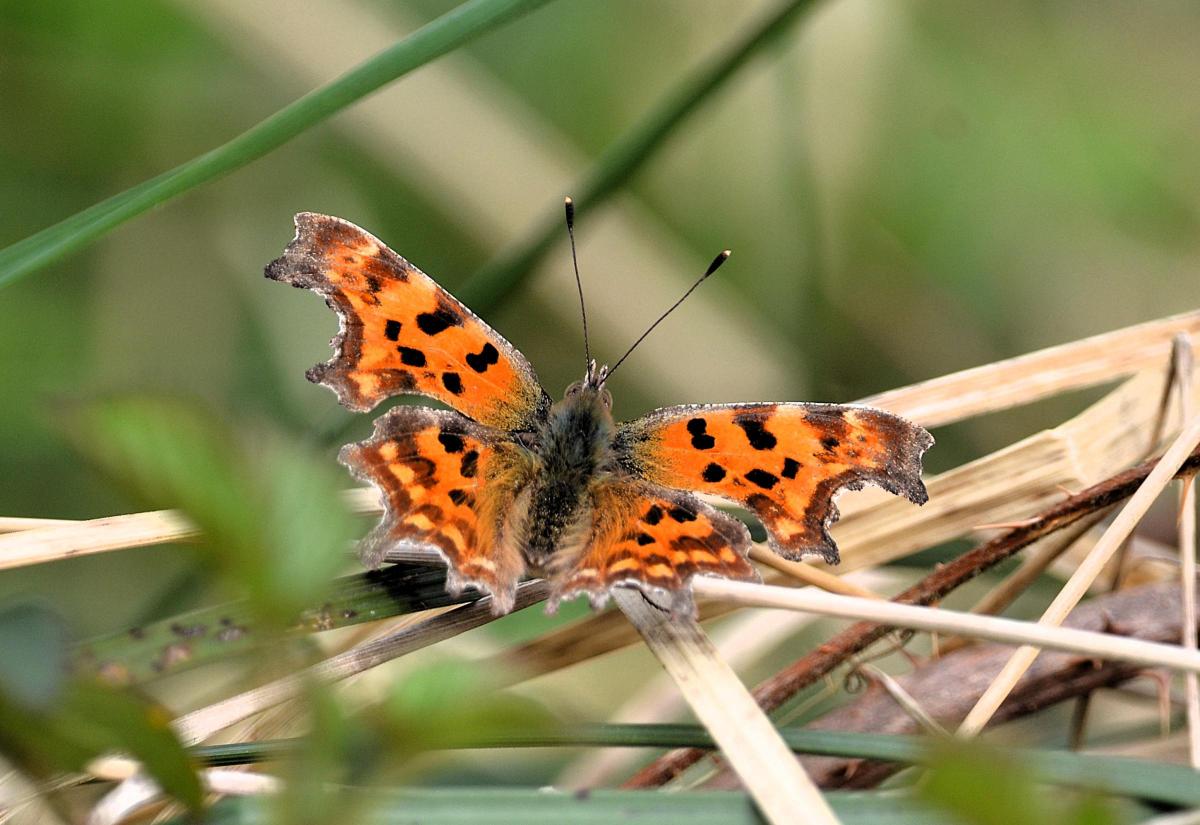
The previous day when the sun was high, I had encountered several comma butterflies. The comma is a relatively new arrival Scotland and prior to the early 1980s was only found in the southern half of Britain, but has rapidly spread thereafter and has now reached much of Scotland. They sport beautiful, orange patterned scalloped wings, which help to break up the outline of the body, thus aiding camouflage. The undersides of the wings are dark and when they close, the comma looks like a dead, wrinkled leaf.

The caterpillar of the comma takes such camouflage sorcery a stage further, with its brown and white markings bearing close resemblance to a bird dropping. No self-respecting predator would ever consider investigating a bird dropping as potential food, and as such, the evolutionary wizardry of nature always inspires.

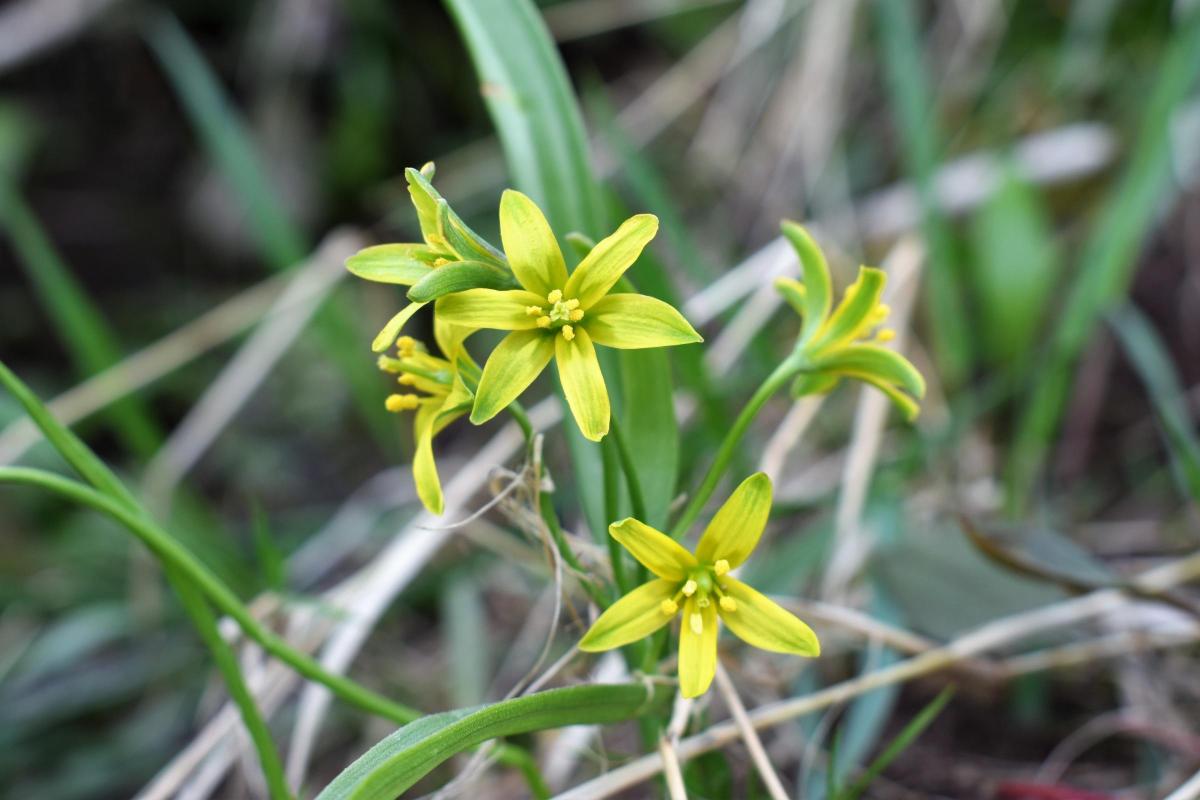
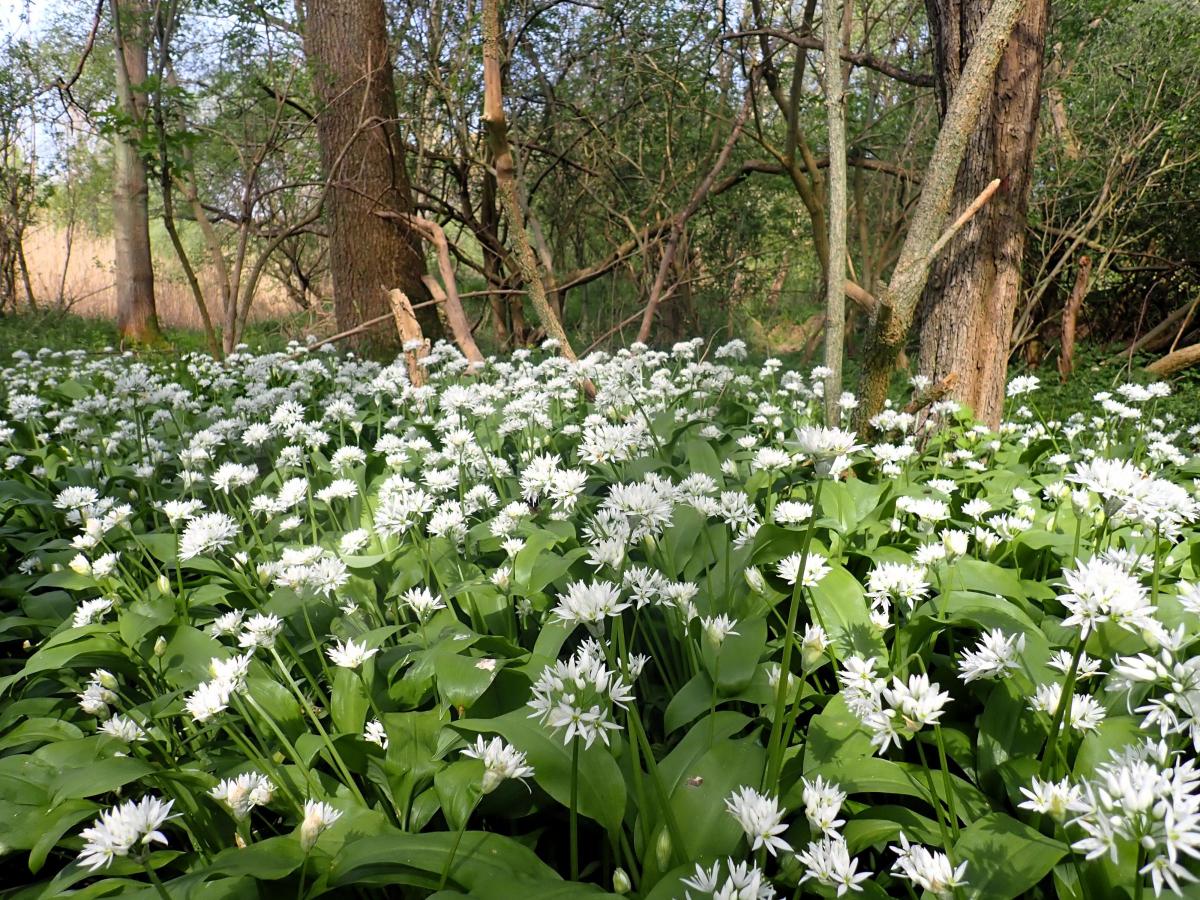
The river bankside flowers, too, caught the eye. There were drifts of wild garlic (ramsons) and the delicate white petals of greater stitchwort will be emerging shortly. Several years ago, on this same part of the bankside, I stumbled upon the small and delicate, pastel yellow blooms of Yellow star of Bethlehem.
It is a fickle flower and I have never encountered it since, but each spring I keep searching and keep hoping.


Share