


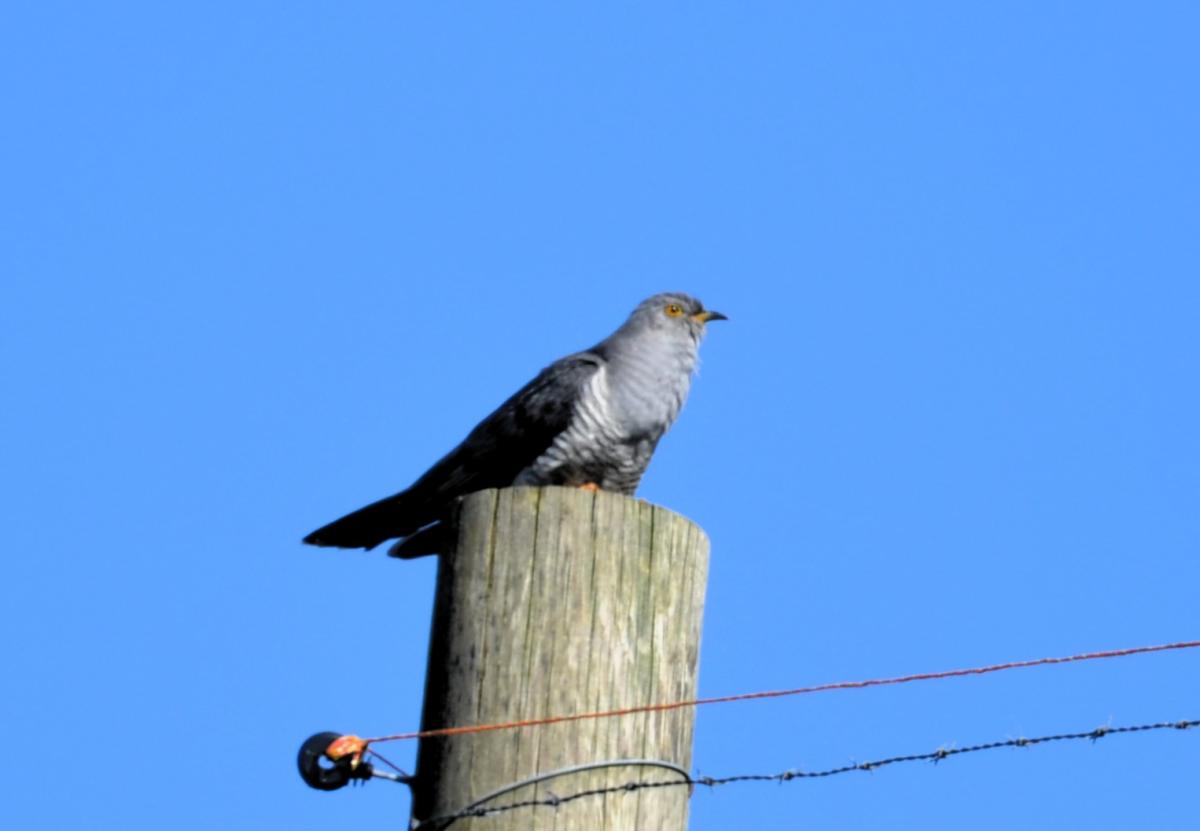

Cuckoos will be calling in the Ochils any day now, after having arrived from their wintering grounds in forests of central Africa.
It is such a lovely and hypnotic sound that carries for a considerable distance. The cuckoo is one of the last of our summer visitors to arrive and an early departer, so this short period when they are making their presence felt is always a special time.

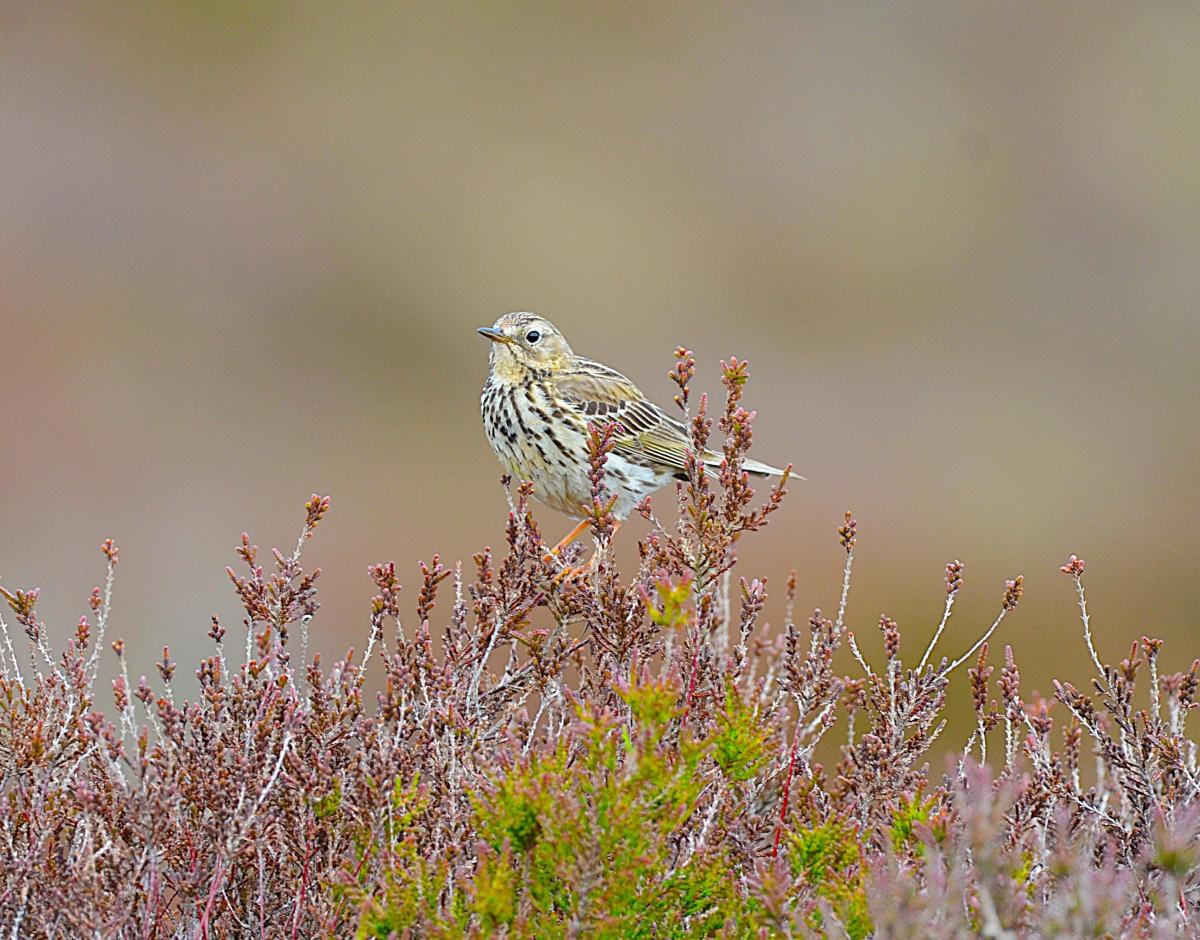
The area around Dumyat and Sheriffmuir is usually reliable for hearing cuckoos, and Tarmangie and Whitewisp Hills above Dollar often rings to their calls, too. Although the call is distinctive, cuckoos are surprisingly unobtrusive birds and it is usually difficult to ever get a good view of one. I imagine one reason for this is because female birds spend much of their time at rest discretely watching the activities of meadow pipits – their main host in the Ochils. They scrutinise the hillside carefully trying to pinpoint where the well-hidden nests of meadow pipits are, usually snuck away beneath heather or grass tussocks.

When a meadow pipit temporarily departs the nest, the cuckoo swiftly moves into action and swoops down and devours one of the pipit’s eggs, before laying one of her own as a replacement. It is all over in a matter of seconds and the poor pipit doesn’t suspect a thing.
Cuckoo eggs closely match the colouration of those of pipits to aid in this masterly deception. Cuckoos in other parts of the UK, which specialise in different foster species such as reed warblers, have eggs that that are similar to their hosts, too. It is a remarkable example of how cuckoos in different areas have evolved to suit local circumstances.

The old Scots word for the cuckoo is ‘gowk’, which also means a stupid person or a fool. I’m not sure why the cuckoo has long been associated with foolishness, given it would seem to be a rather canny bird that leaves the chores of rearing youngsters to unwitting foster parents.

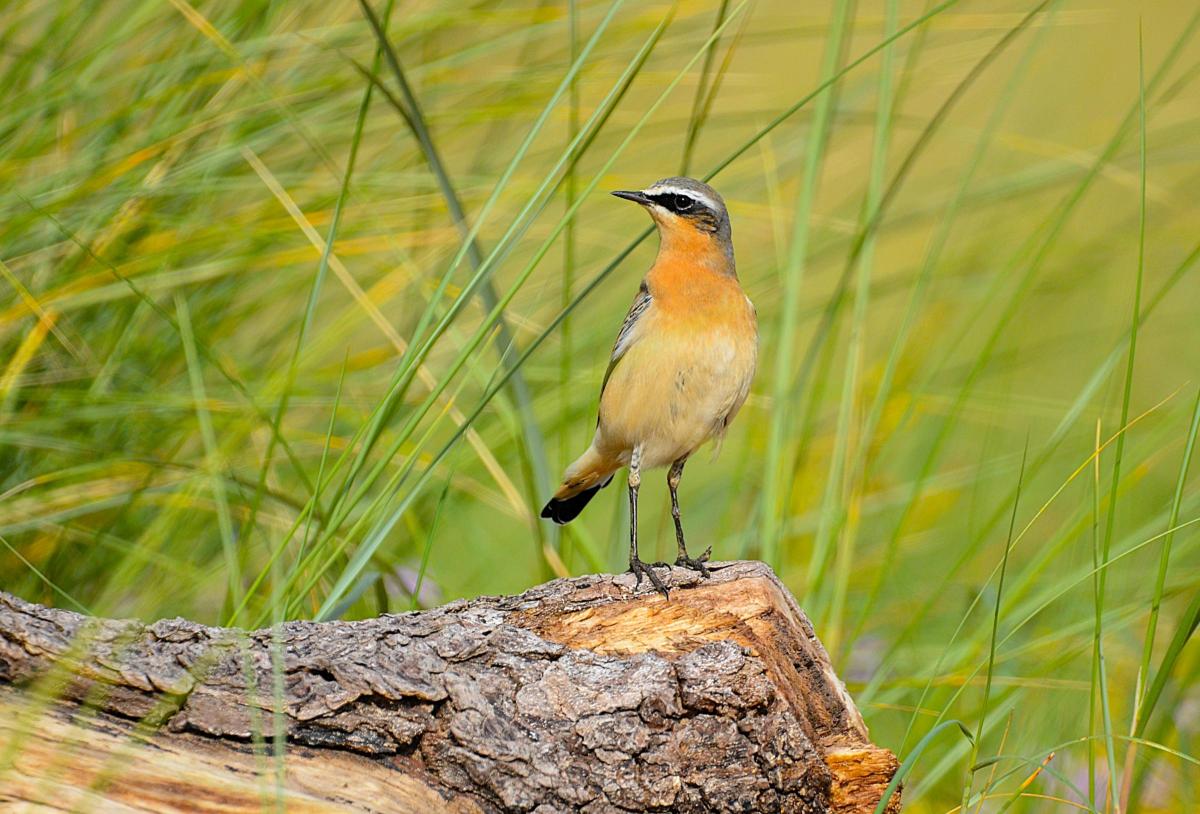
This is a glorious time to be out in the Ochils, and in rockier areas and by drystane dykes, wheatears are often glimpsed. The male is a handsome bird with his grey and black, masked plumage and distinctive white tail flashes. The female is similar in appearance, but browner and more muted in tone. They like to nest in scree or beneath large rocks. Male birds are often seen perched on top of rocks.

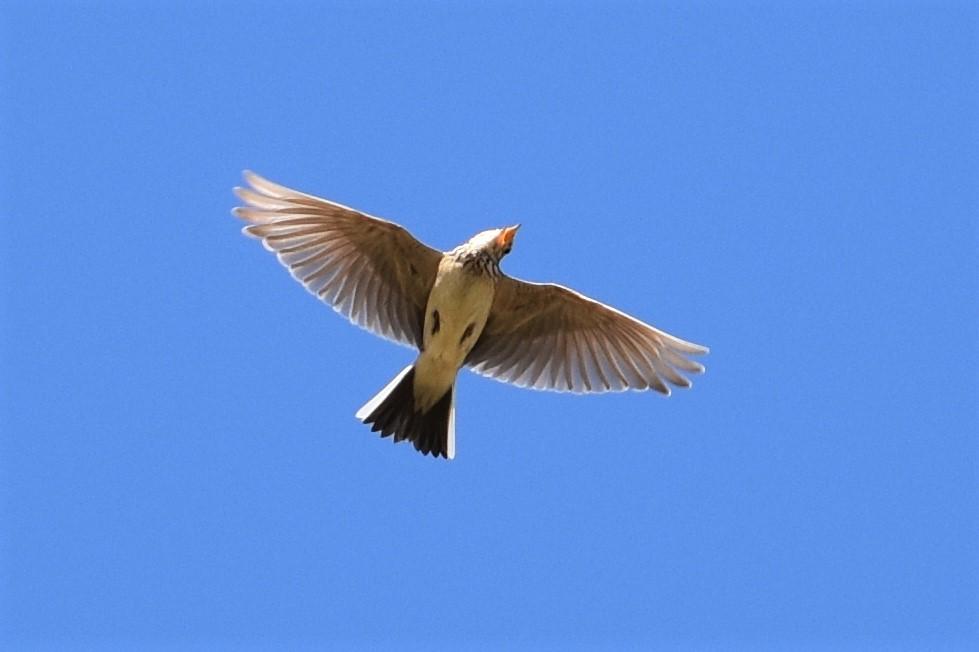
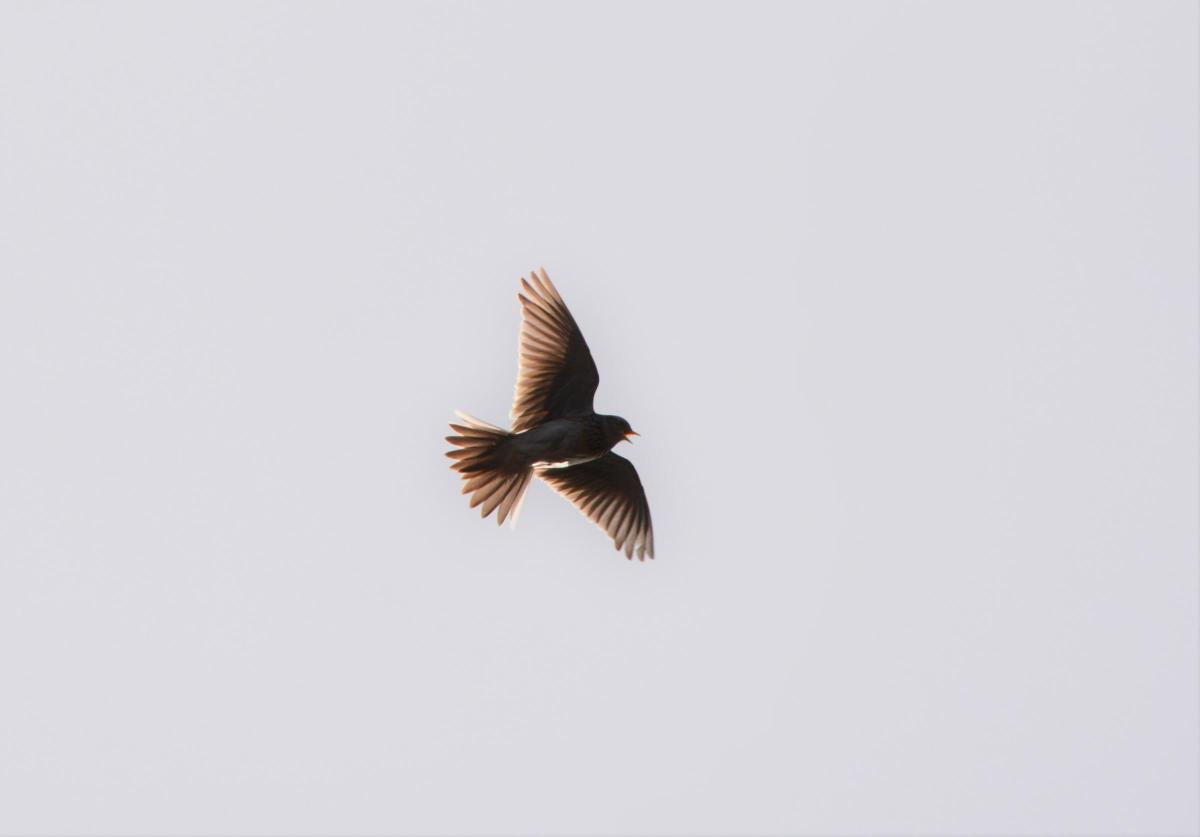
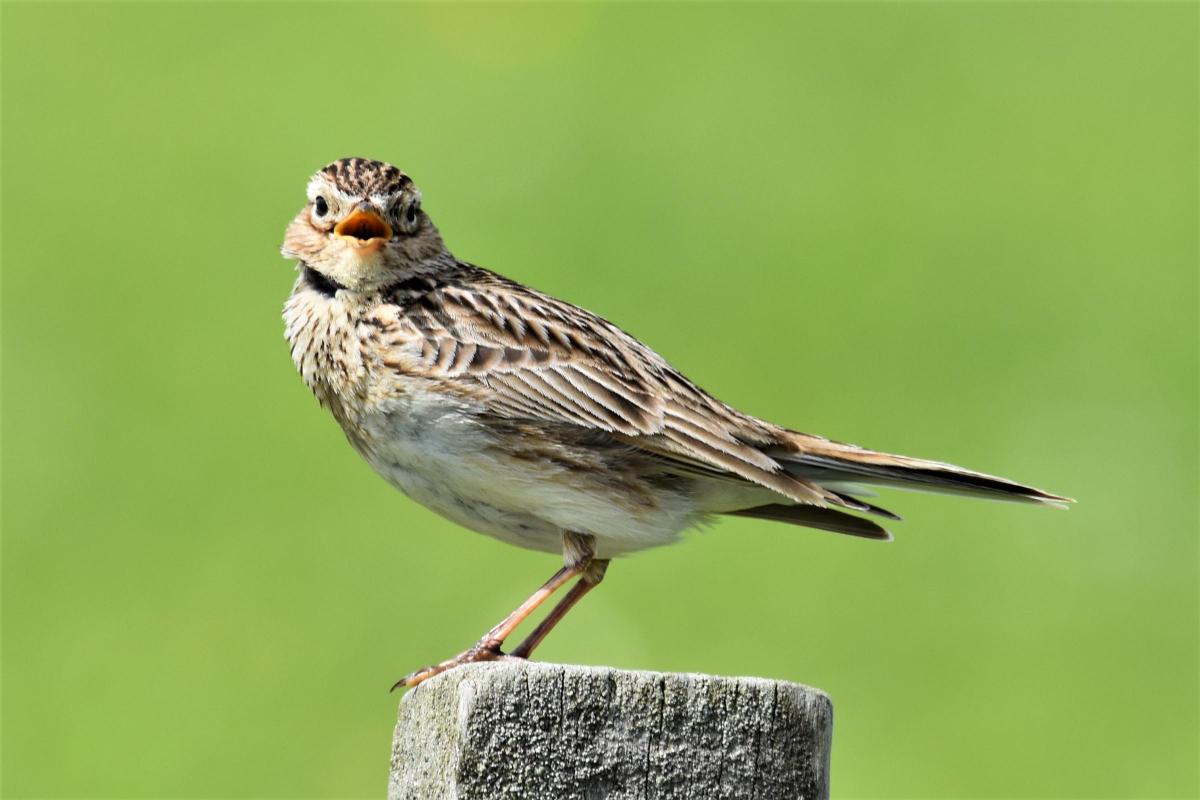
However, the true star performer in the Ochils at this time of year is the skylark, and nothing beats lying on a sunny hillside with one’s eyes closed and listening to a lark soaring high in the sky above with his glorious song raining down from the heavens like a comfort blanket of serenity.


Share