


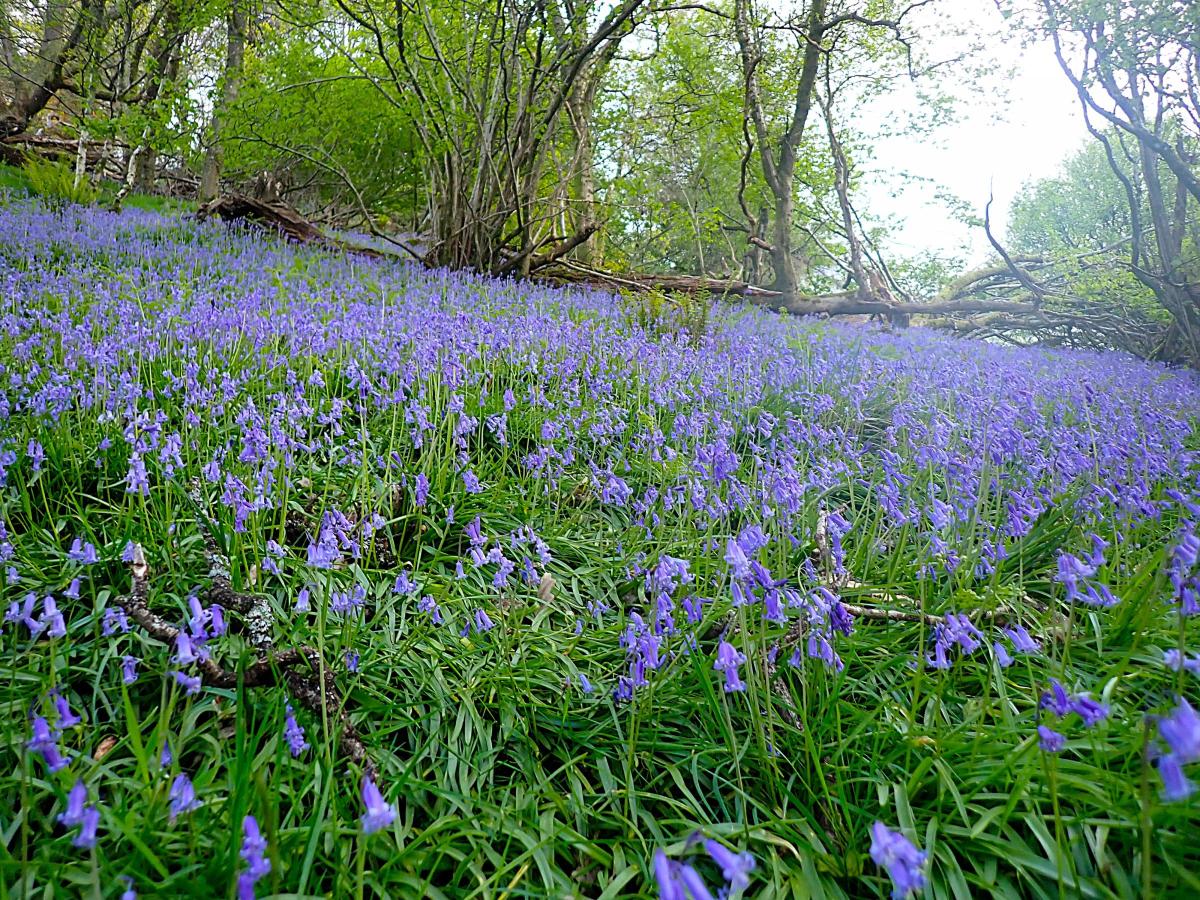
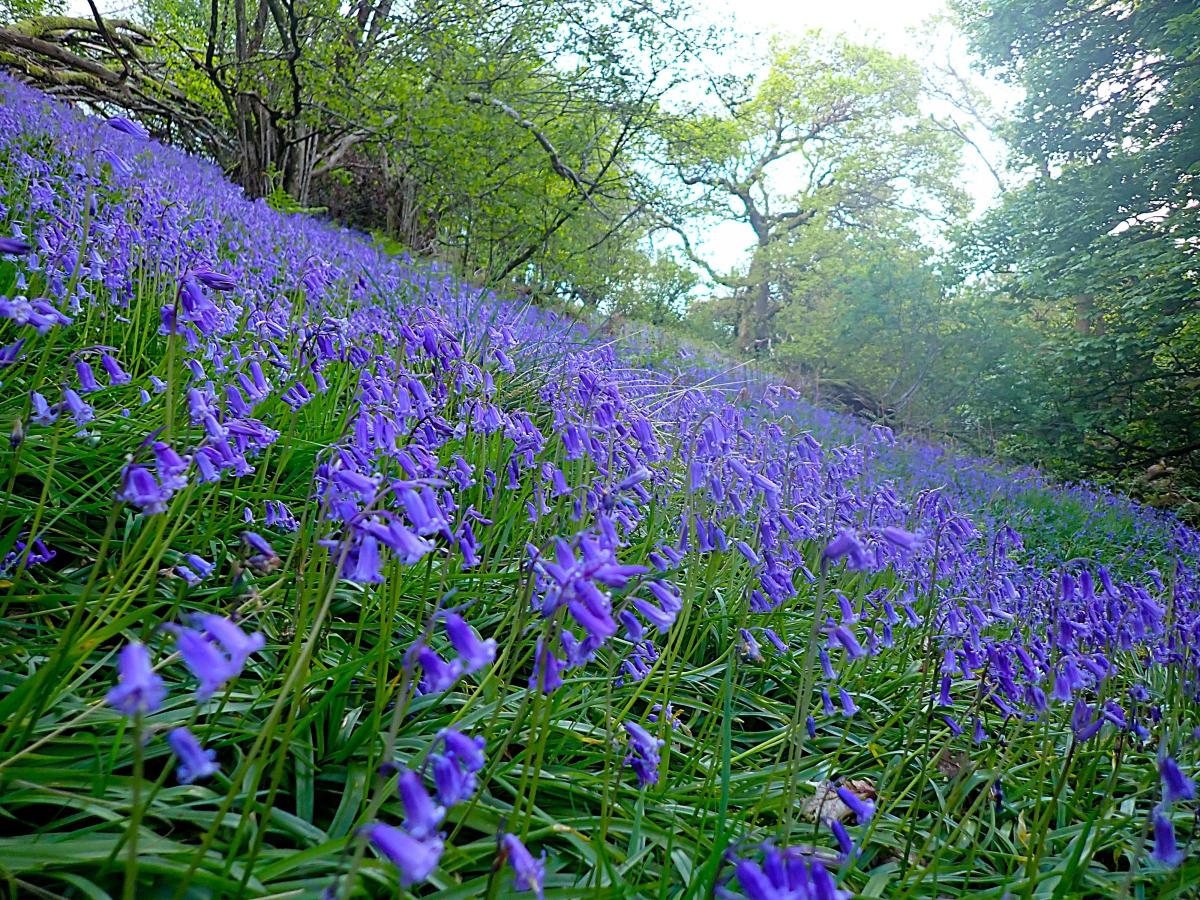

It has been a great season for bluebells in the Wee County with Dollar Glen and Horsepark Wood by Tillicoultry being two of my favourite spots to seek out these iconic floral beauties of spring.
Sadly, they are now past their best, but the memory of their stunning flowers will linger long in the mind.
The poet Gerard Manley Hopkins eloquently described the wonders of a woodland floor carpeted by bluebells as having a “blue buzzed-haze” and “wafts of intoxicant perfume”.

It was a flower that totally captivated him and held him in such star-struck awe that on another occasion he wrote “….they came in falls of sky-colour washing the brows and slacks of the ground with vein-blue”.
It is easy to understand Hopkins’ obsession with the bluebell, for it is indeed one of our most attractive wildflowers.

To walk through the glory of a richly scented bluebell wood in spring is one of life’s great natural experiences with its sea of shimmering azure.
Often known as the wild hyacinth in Scotland, the bluebell in the past was also commonly referred to as ‘crow’s toes’, probably because of the shape of the long, strap-shaped leaves.
The world distribution of our native bluebell (Hyacinthoides non-scripta) is restricted to the fringes of western and north-western Europe.
It is a specialised plant that thrives in the damp and changeable climate of the Atlantic edge.

Typically found in broadleaved woodland and hedge banks,the bluebell is one of our most familiar and cherished wildflowers.
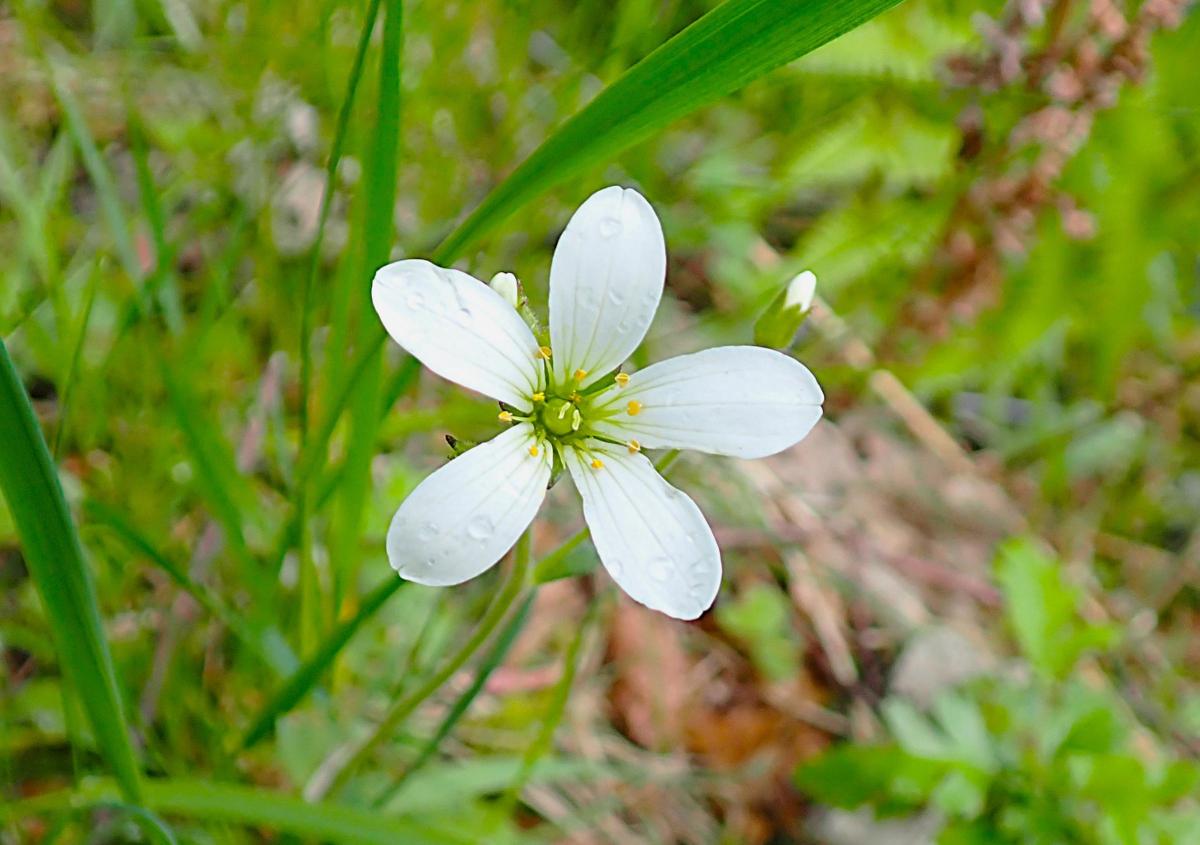
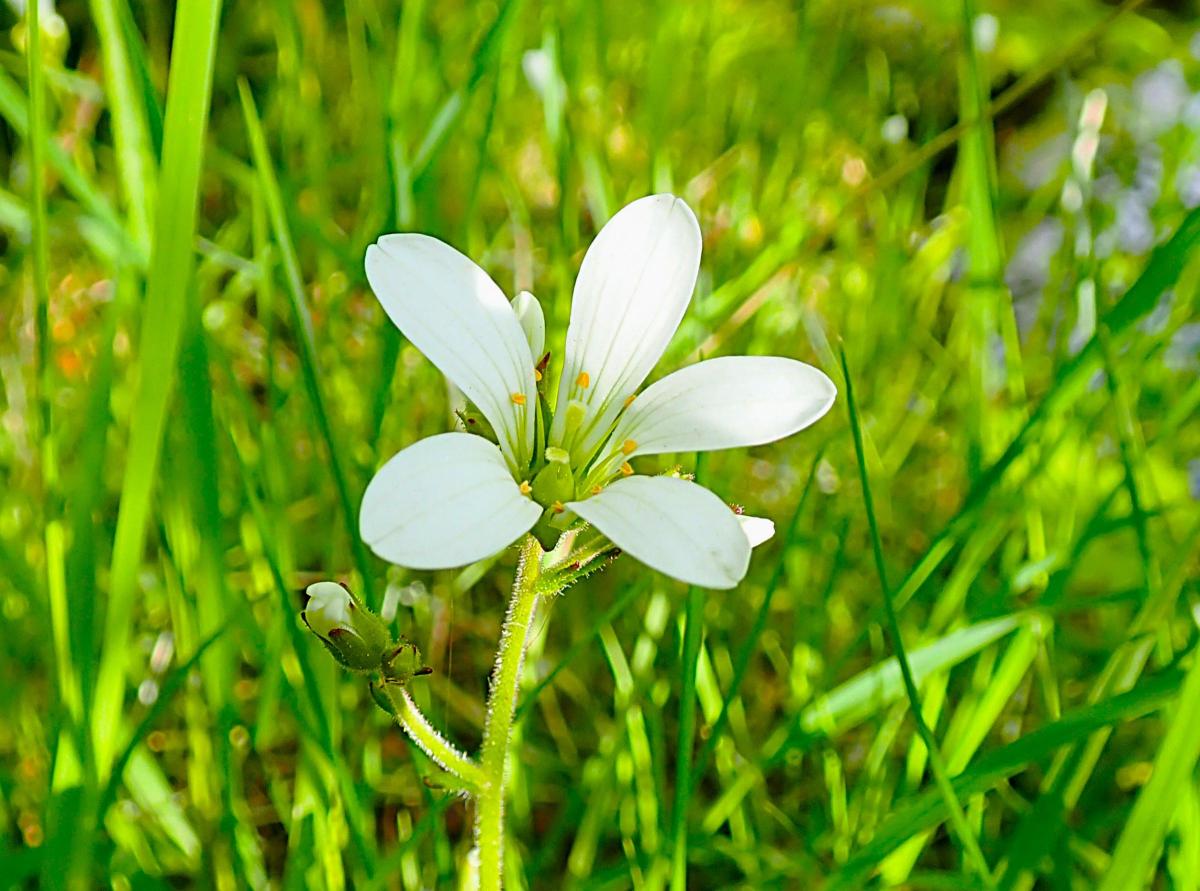
Oher spring flowers have been catching my attention, too. Recently, on one section of the River Devon bankside, I was delighted to find a cluster of meadow saxifrage thriving.
They are scarce plants in Clackmannanshire and the Forth Valley area in general, and their beautiful white flowers brought wonderful sparkle to the riverbank.

This little colony of meadow saxifrages seems to be spreading every year, which is wonderful to see.
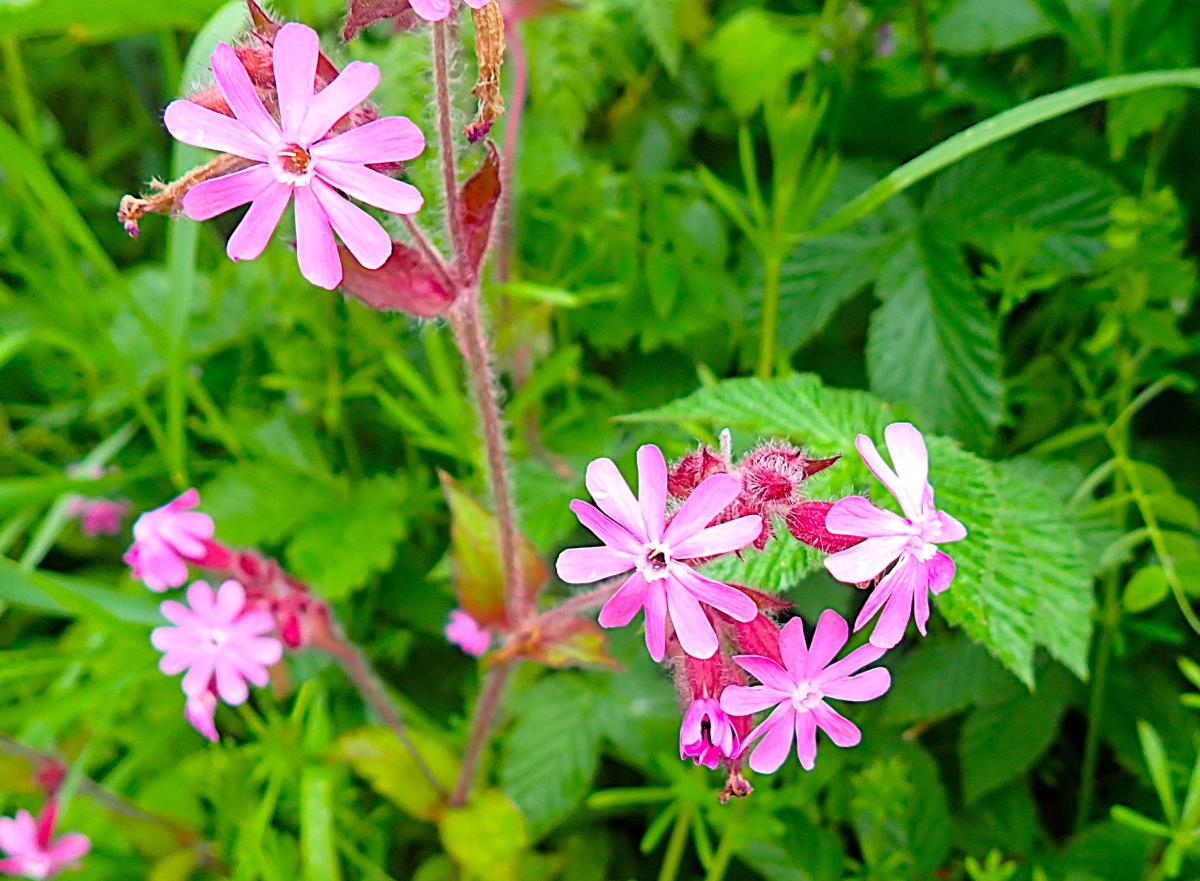
Elsewhere on the riverbank, drifts of greater stitchwort thrive, red campion is abundant and crosswort abounds by the path edges.

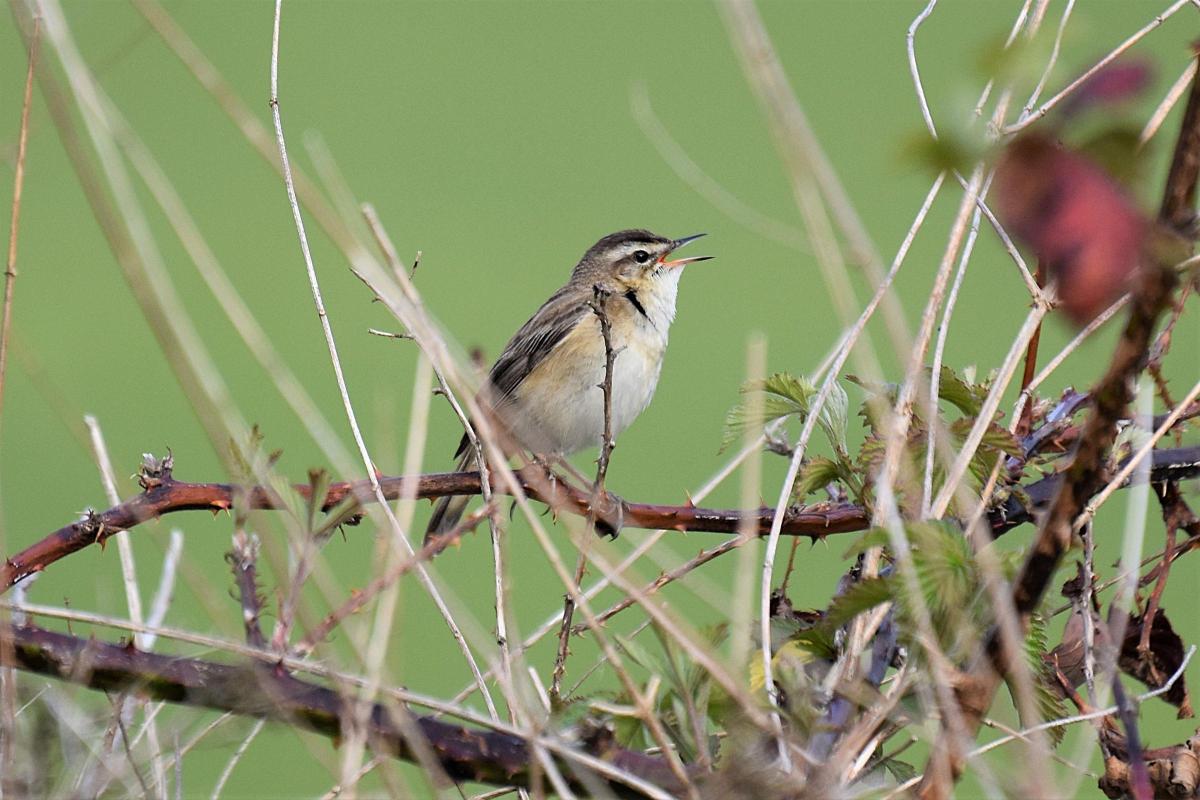
The sedge warblers that formerly sung with gusto have largely fallen silent as most of the males have now found mates.
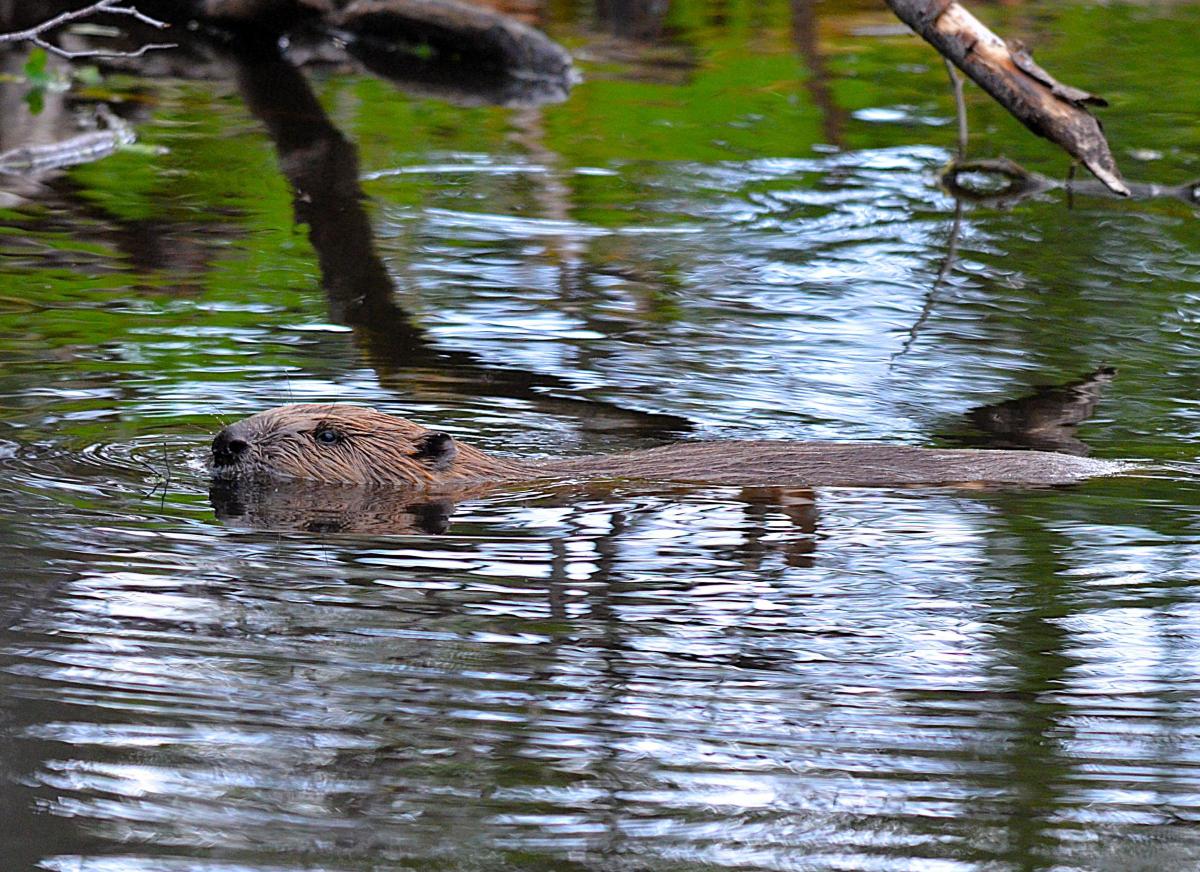
I have also glimpsed beavers on several occasions and they often venture out surprisingly early in the evening at this time of year, most probably because the mother animals have hungry kits to suckle and they are keen to forage as much as possible to ensure they maintain healthy body reserves.

This is such a wonderful time of year to be out in the Clackmannanshire countryside with there being so much vibrant life about as nature ‘makes hay while the sun shines’ under the long, dreamy days.


Share