




A walk up the eastern part of Menstrie Glen last week brought the reward of spectacular displays of blackthorn bushes, their white-frosted blooms forming a magical foreground that was backdropped by the steep flank of Dumyat on the other side of the glen.
The beauty of the bushes reminded me of a previous encounter with a blackthorn many moons ago when I was searching for sloe berries and, in an unfortunate incident, one particularly long thorn lodged in my scalp. It took a bit of painful squirming and twisting before I was able to free myself.

The blackthorn is certainly a shrub to be treated with respect and it was with great care that I examined the newly emerging white flower-heads of the bushes in Menstrie Glen. The flowers were intricate in their beauty, each one revealing five delicate white petals.
The unusual thing about the blackthorn is that it flowers first, with the leaves following later. Even when the weather turns freezing the flowers will still blossom, with a cold spring traditionally known as a ‘blackthorn winter’.

The white blossom is a magnet for early emerging bumblebees and other insects, and once the leaves are set, they are a principal food for many different types of moth larvae. The blackthorn is important to wildlife in other ways. The impenetrable tangle of twigs and thorns makes the shrub a great favourite of birds as a safe place to build their nests. Birds are also attracted by the many caterpillars found upon their leaves.

The blackthorn gets its name from it dark bark and when it grows in thickets, it creates a very dense and formidable thorny barrier, making it a useful hedging for stockading livestock. The wood was also much sought after in the past for fashioning tough walking sticks.

But the blackthorn is undoubtedly best known for its bitter tasting fruits known as sloes, which are used for making wine, jams, and of course for flavouring gin. Sloes are certainly an acquired taste and I was very much taken by this verdict on the dubiety of their flavour written by William Cobbett in 1825. “This pulp, which I have eaten many times as a boy until my tongue clove to the roof of my mouth and my lips were pretty much glued together, is astringent beyond the powers of alum”.

It was a lovely day in Menstrie Glen, and the sunshine had brought out peacock, comma and small tortoiseshell butterflies. Commas and peacocks seem to be doing well currently, but small tortoiseshells are much scarcer than they used to be, possibly due to climate change and the more extreme weather we are encountering.

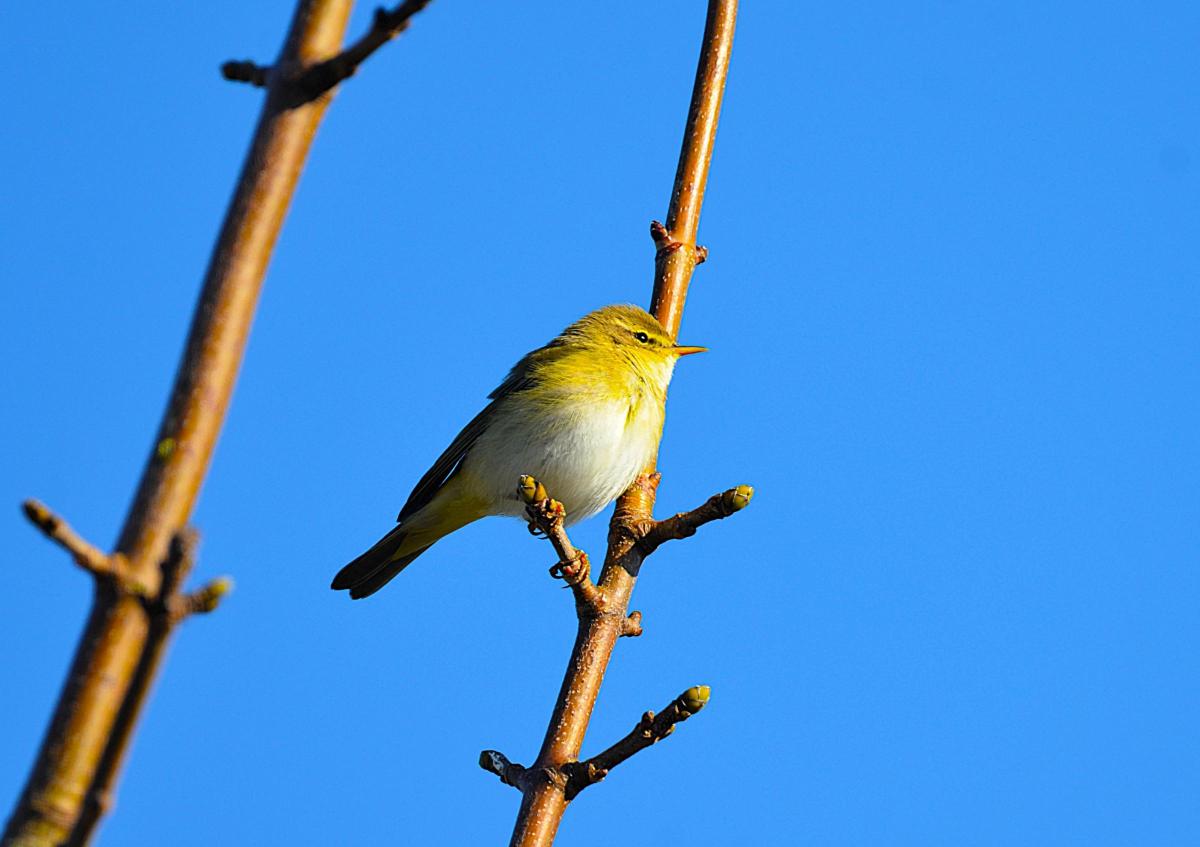
Willow warblers were also out in full force in the lower part of the glen, their sweet cascading songs hypnotic and alluring. I also heard my first cuckoo of the year, which was about 10 days earlier than when they usually first appear in the Ochils, which is perhaps another sign of climate change and the worrying flux that is pervading our precious environment.


Share