


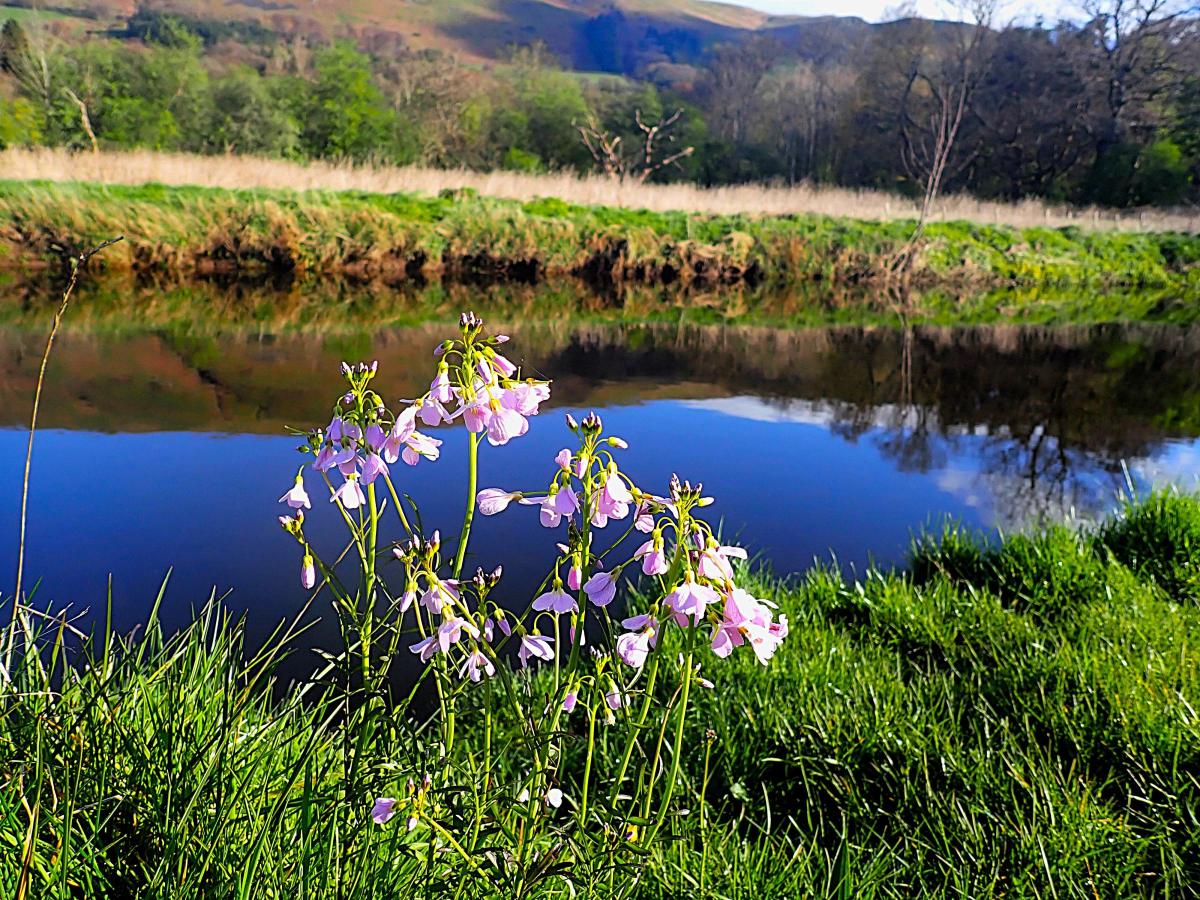

I was in a place called paradise, the haugh of the River Devon between Tillicoultry and Dollar, where magical drifts of lilac-bloomed cuckoo-flowers nodded in the spring breeze and sand martins wheeled over the river on brown-flashed wings.

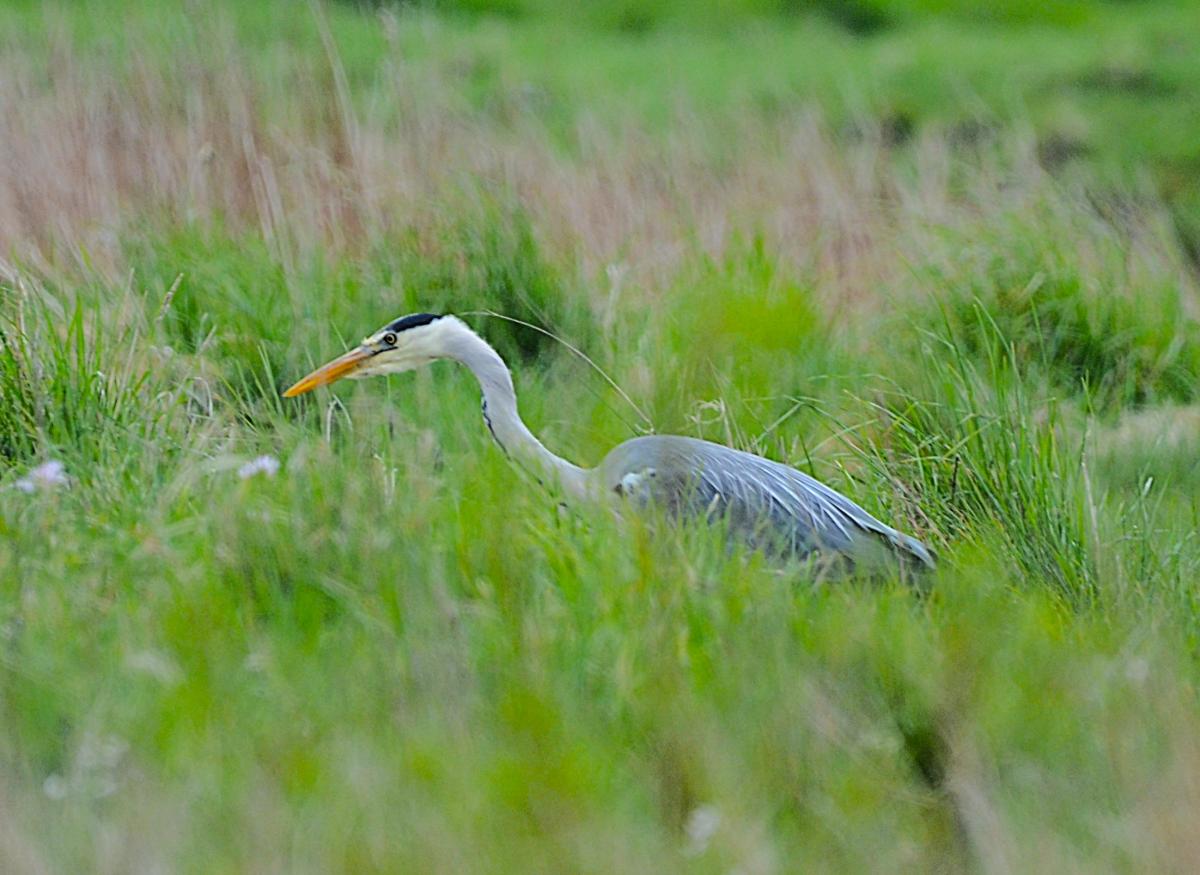
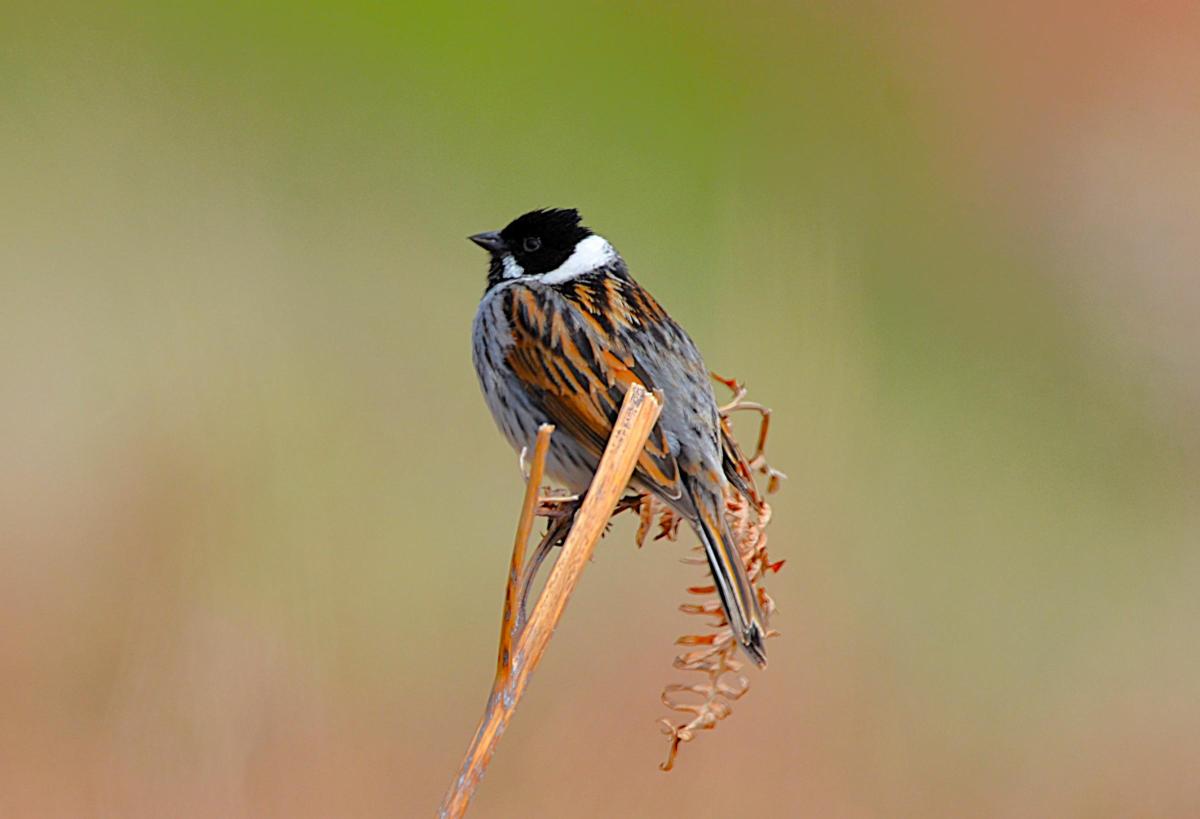
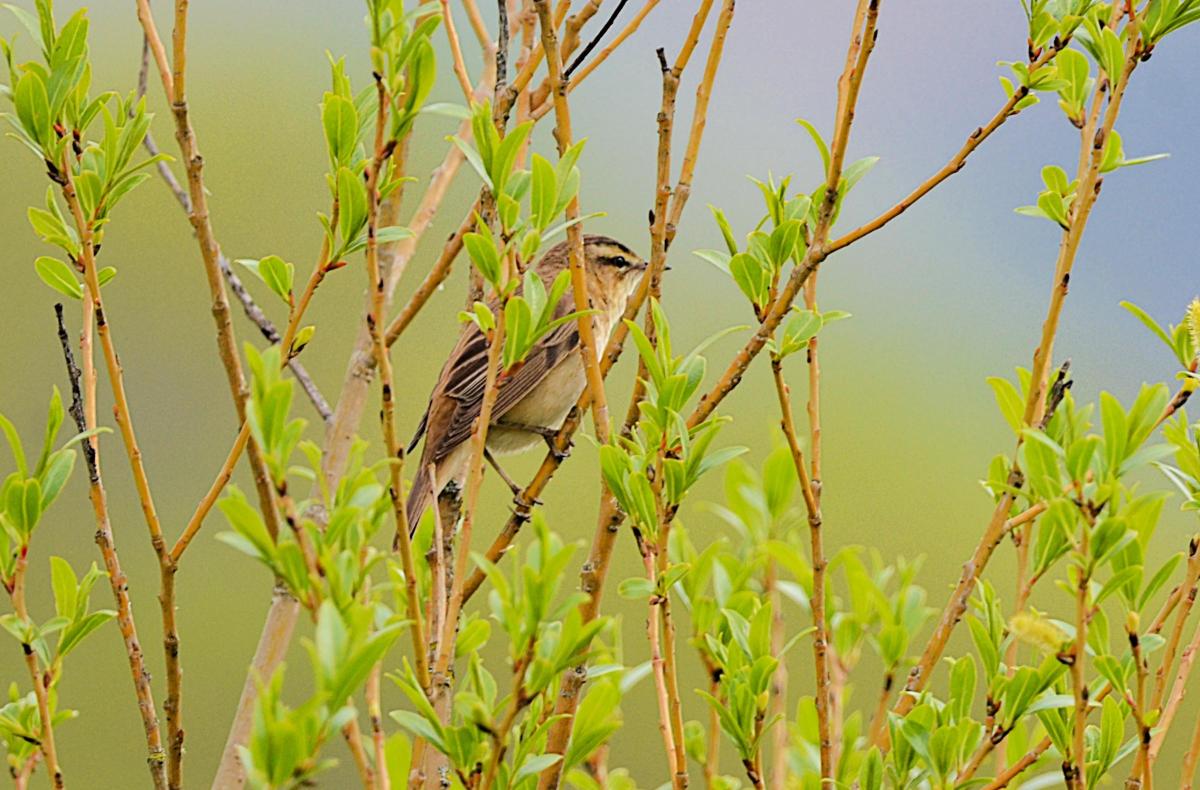
A heron stalked the shallows of a nearby pond and the yodelling call of a green woodpecker drifted across from a distant wood on the steep scarp of the Ochils. The grating calls of sedge warblers whirled out from rush thickets in the damper margins of the haugh, accompanied by the much feebler songs of reed buntings.

The abundance of cuckoo-flower was especially eye-catching. The plant is often known as lady’s-smock, which on first impression sounds lyrical, although ‘smock’ in the past was a slang term for a woman, and the name may allude to unseemly spring cavorting by country folk in our fields and pastures. The more prosaic ‘cuckoo-flower’ is probably reference to it emerging into bloom when the first cuckoos arrive.

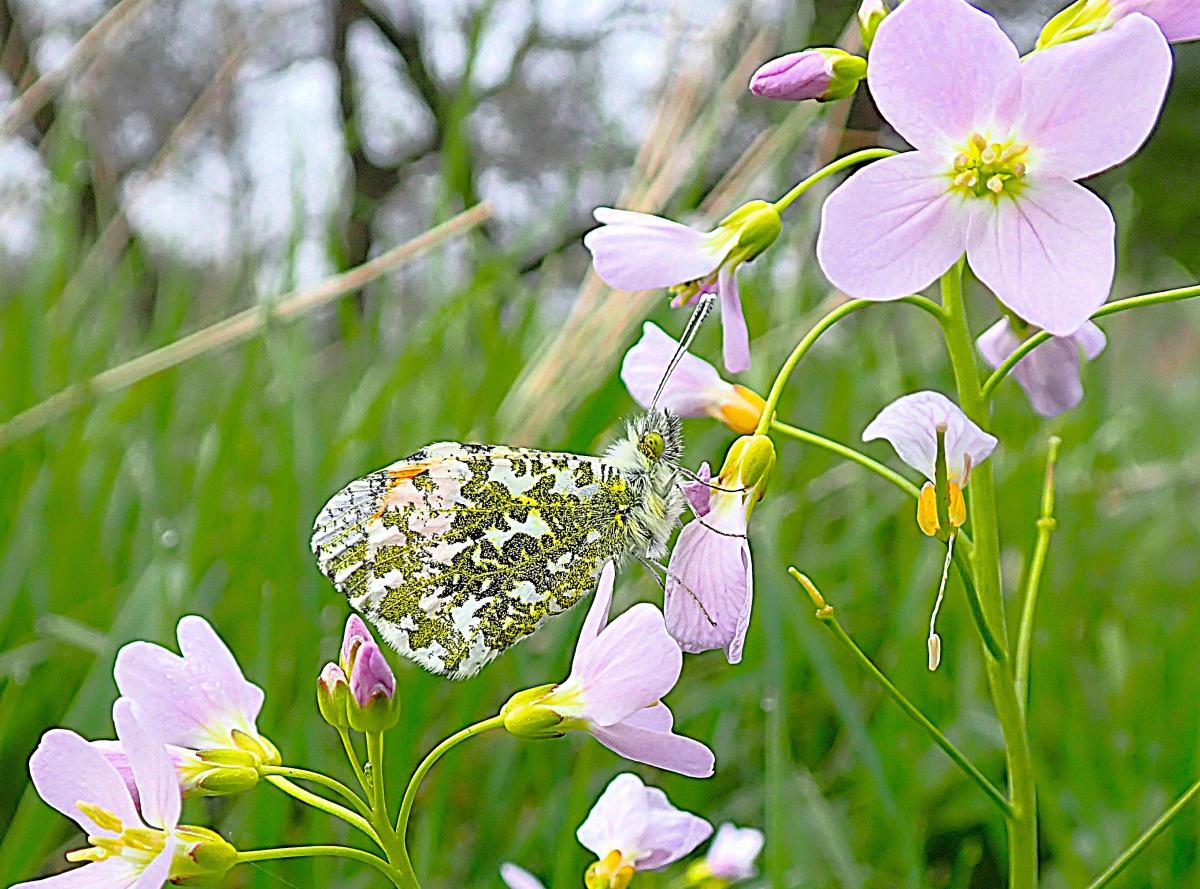
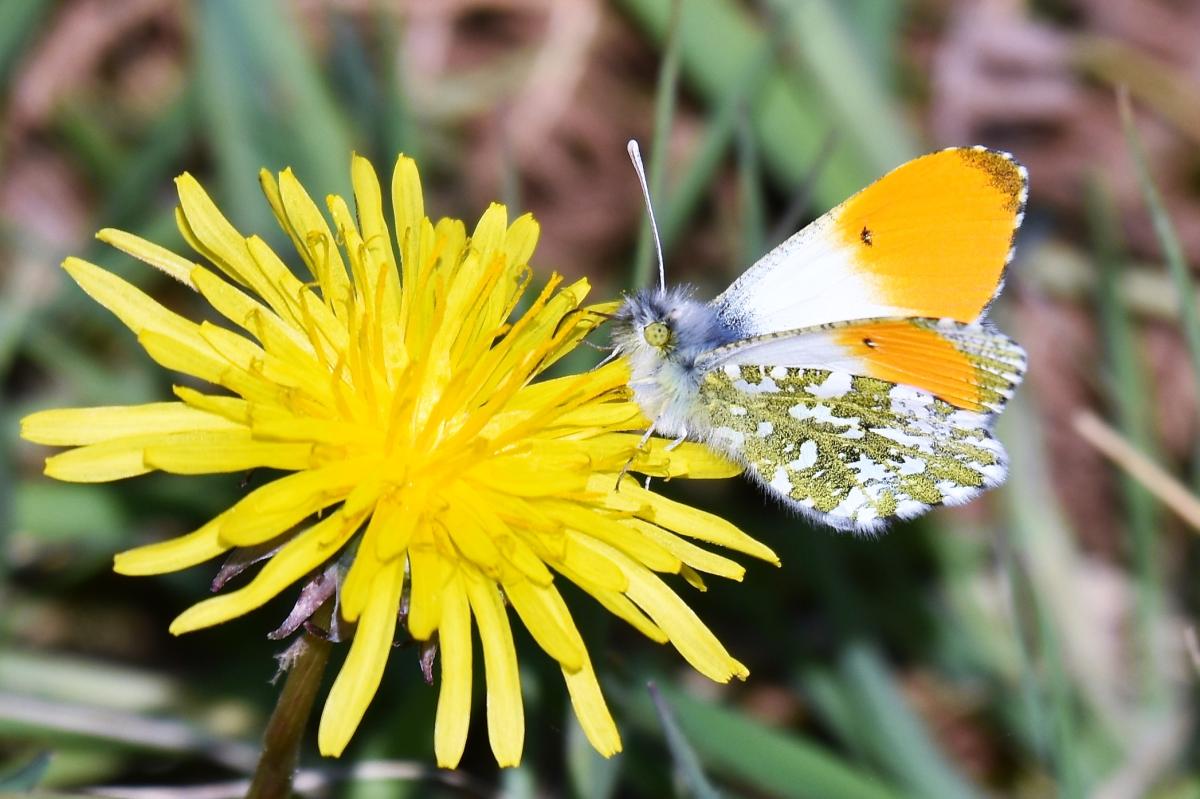
Where cuckoo-flower abounds, then orange-tip butterflies will not be far away, which whirl themselves up into the air like a fluttering pieces of orange and white confetti. Along with garlic mustard, cuckoo-flower is one of the preferred food plants for these tangerine dreams to lay their eggs on. The French call the orange-tip butterfly ‘aurora’, representing the glowing sun at daybreak, which is an entirely appropriate name, for their dazzling vibrancy always impresses.

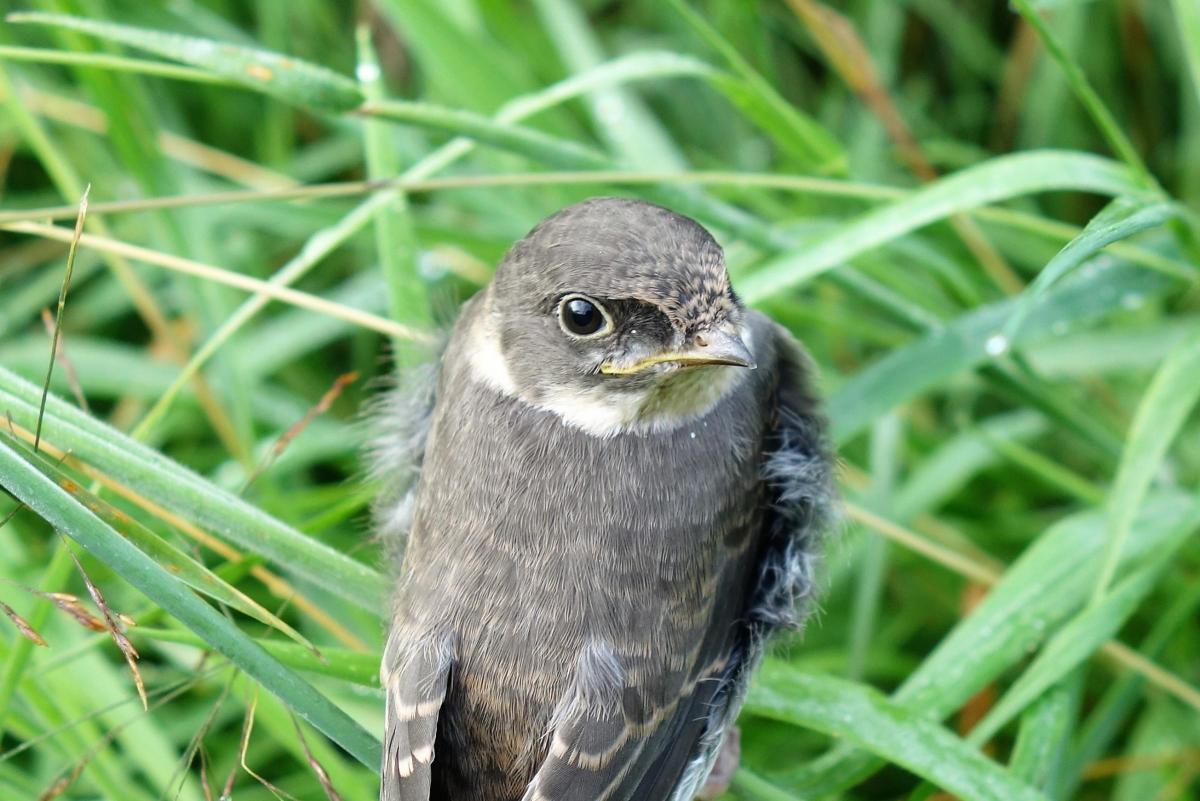
It was wonderful to see so many sand martins swirling over the river and they seem to be doing really well at the moment. They spend the winter in the Sahel region of Africa, just south of the Sahara. They have suffered population crashes in the past that are linked to droughts in the Sahel, most especially in the 1980s, but the population now seems relatively buoyant.

However, their lives on the River Devon are not without risk, most notably from the water rapidly rising during times of heavy rainfall flooding out their breeding burrows. Marauding mink will also frequently dig-out the burrows to reach the eggs or chicks lying within.

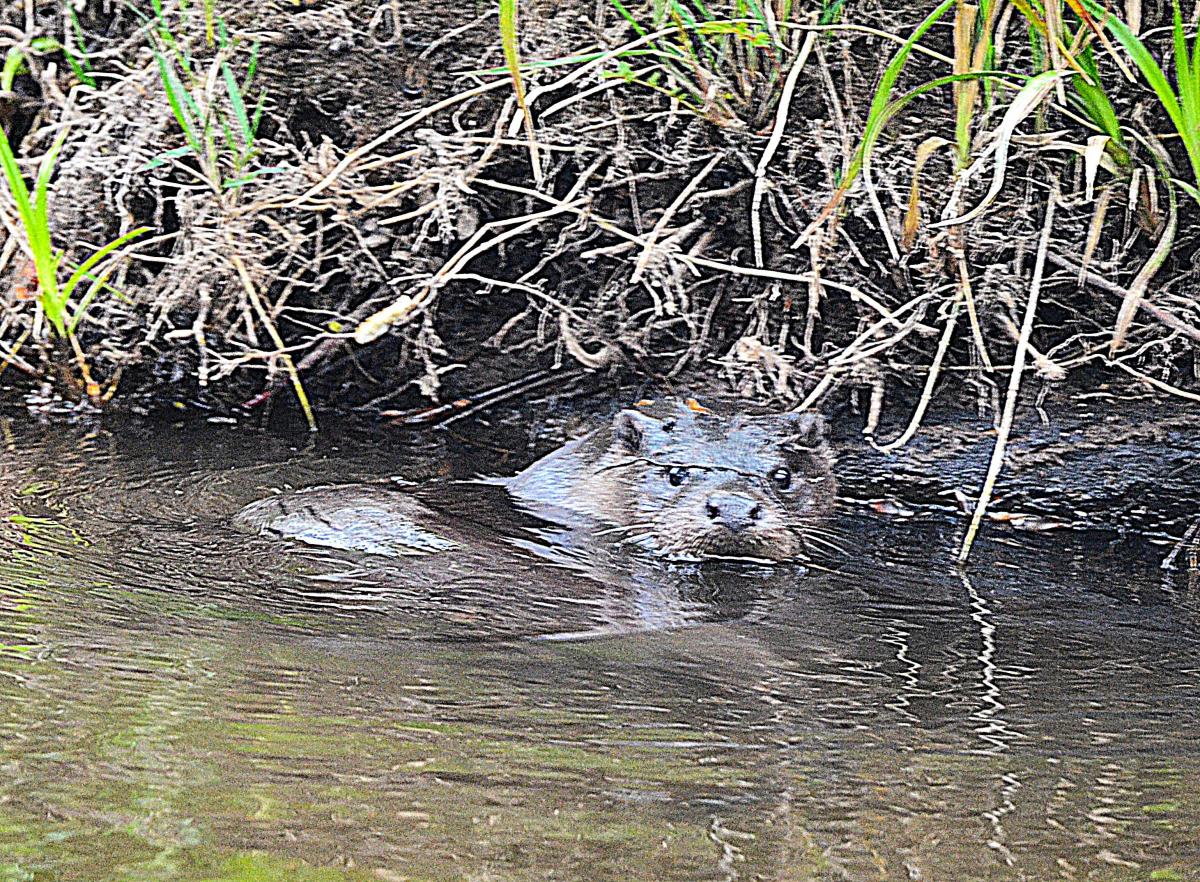
The following day, when down on the same part of the river early in the morning, I glimpsed an otter by the opposite bank. It looked up at me momentarily before diving under and I was able to follow its course by the stream of bubbles that popped up onto the water’s surface.

The bubbly stream moved to my side of the bank where the animal disappeared in among a thick tangle of alder roots. It might have been a brief sighting, but it left my heart jumping for the joy, and with a spring in my step, I continued on my way.


Share