


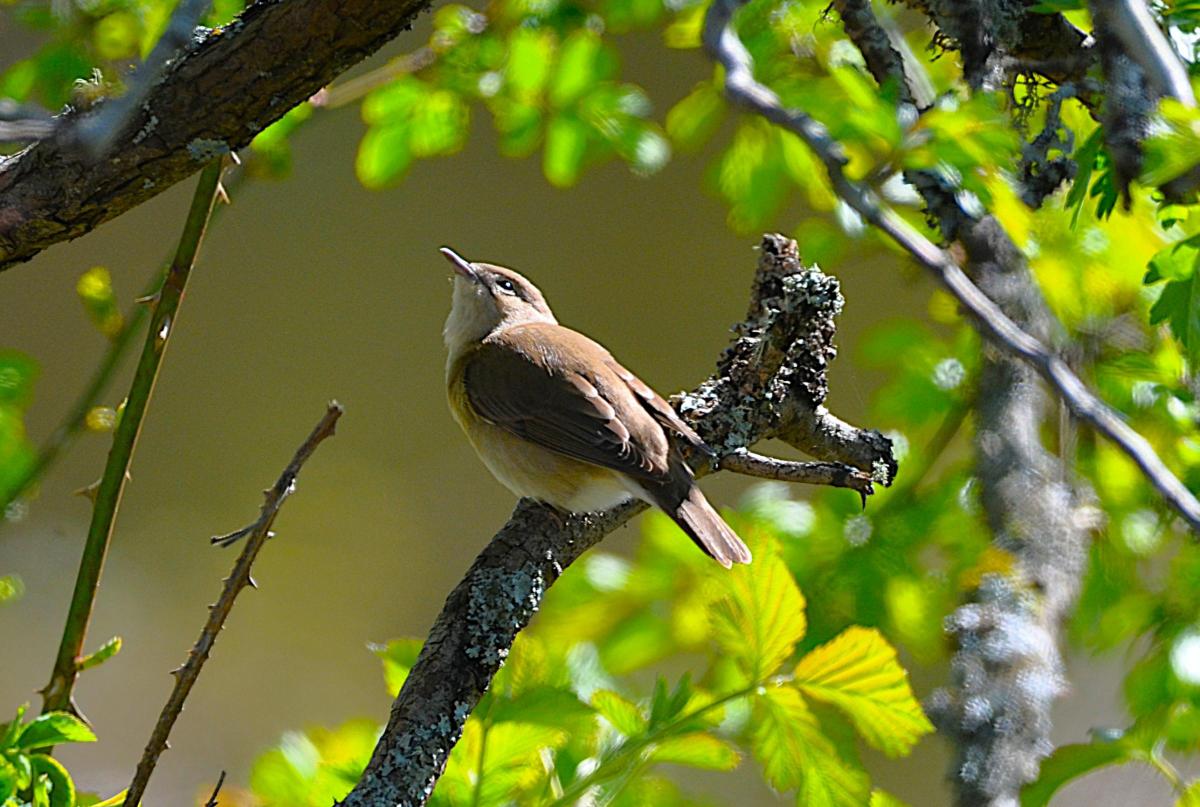
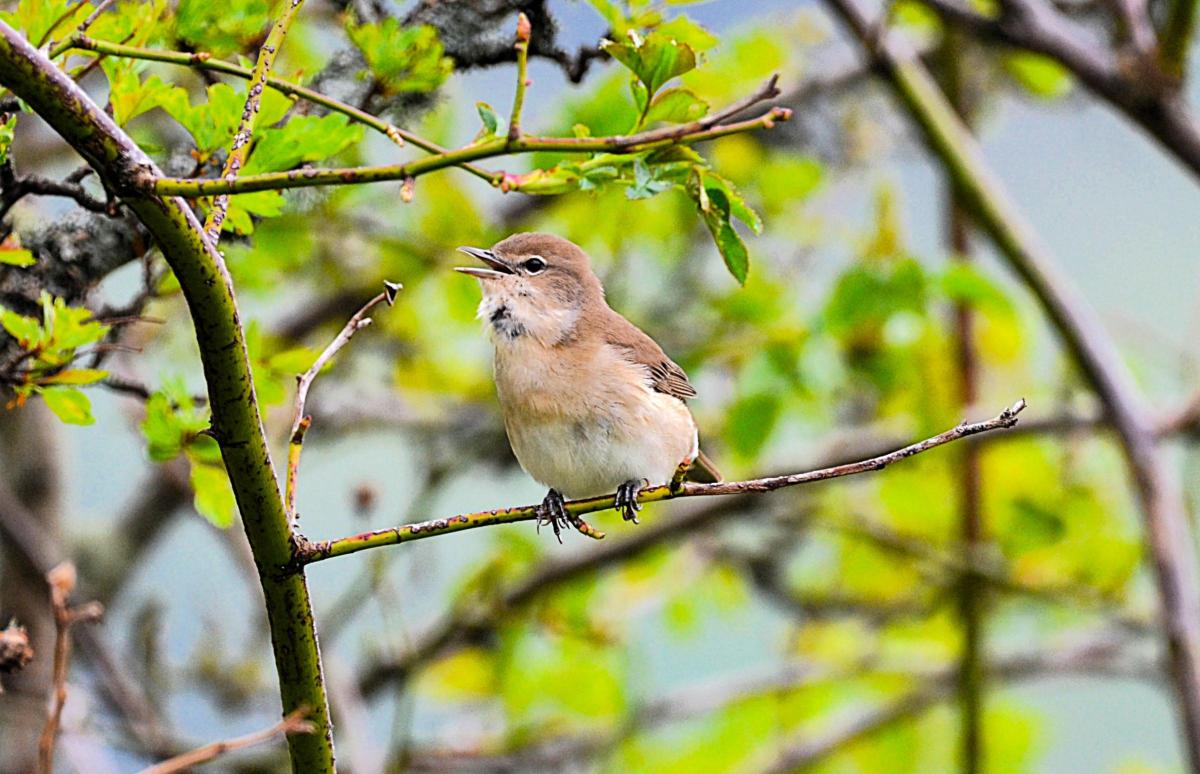
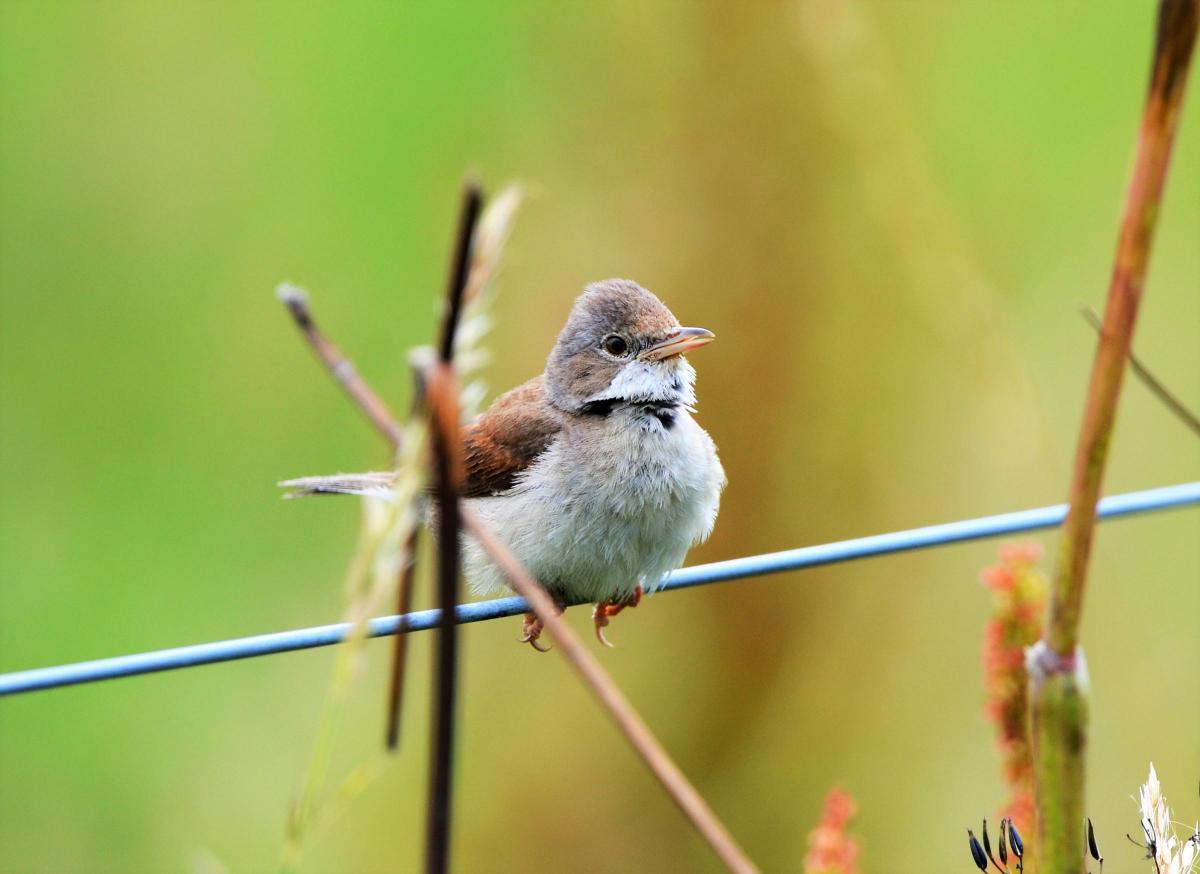
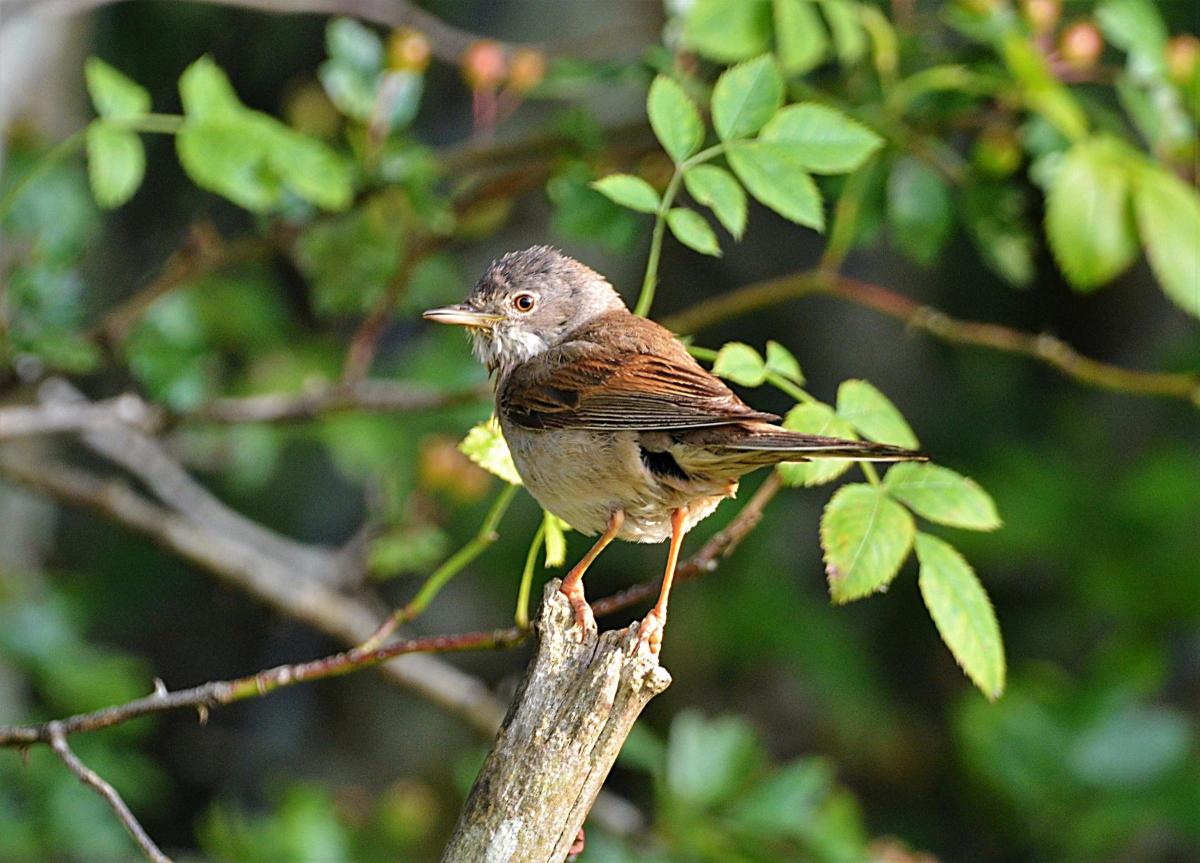

As I walked across the Black Devon Wetlands near Alloa, a melodious warbling drifted out from a hawthorn bush. It was a garden warbler, a rather non-descript bird with benign, warm-brown plumage.
The fluty song of the garden warbler is akin to that of its more familiar warbler cousin, the blackcap, but is mellower with softer undertones. The garden warbler is one of our more secretive birds, a relatively frequent summer visitor, yet preferring to keep under cover where its undistinguished brown plumage aids in its perennial concealment. These mysterious birds seldom stay still and are always on the move as they slip through thick tangles of vegetation.

However, this year in the Wee County, garden warblers seem to be unusually abundant and I have seen and heard them on numerous occasions, whereas blackcaps seem scarcer. I may be wrong in these observations and it would be interesting to see if this a national trend, rather than one just based on my own anecdotal observations.

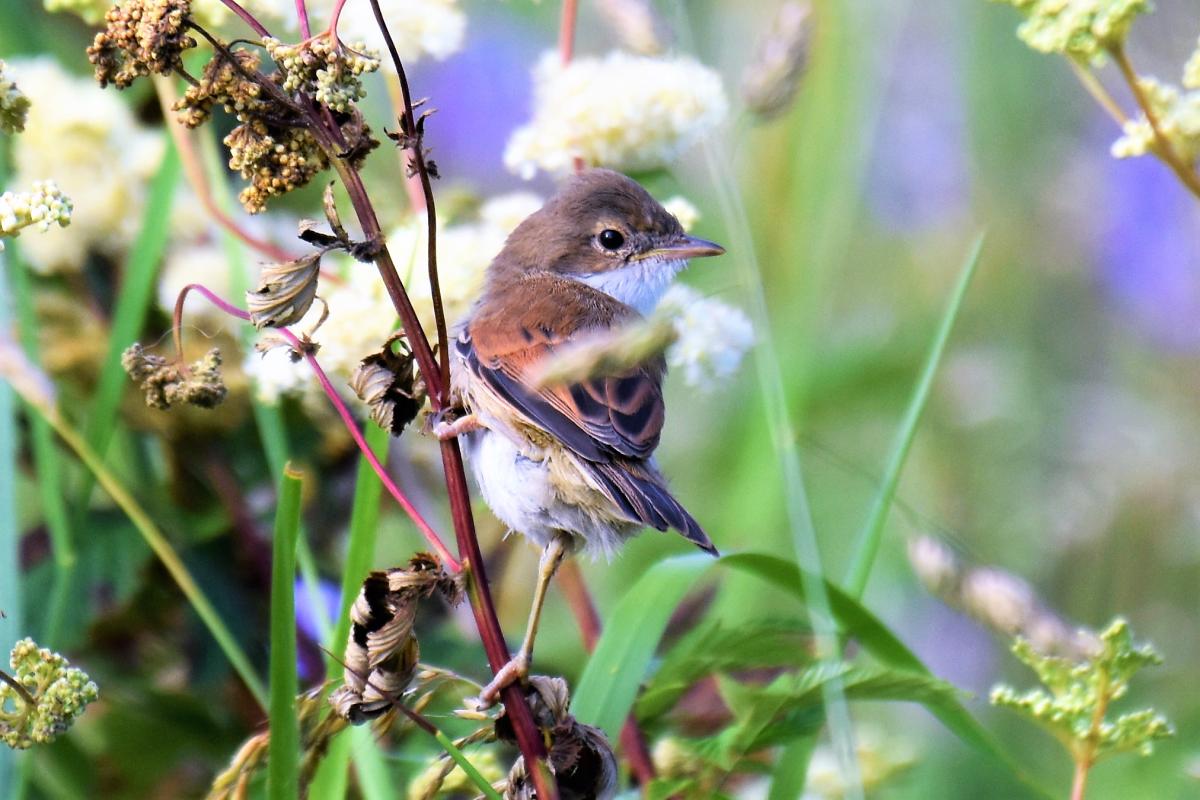
Other warblers are making their presence felt, too, in Clackmannanshire, including whitethroats. On one recent occasion, by the River Devon, I spotted a whitethroat deep within the depths of a cluster of brambles.

This small warbler was real skulker, singing out from the depths of the bramble tangle, and every so often I caught a glimpse of him as he scurried in amongst the thorny stems like a little mouse. The whitethroat’s plumage has asubtle yet sublime beauty with his warm brown back, blue-grey head and the white throat that gives this little songster its name.

Whitethroats have a wide range of Scottish local names from the past including ‘beardie’, ‘blethering Tam’, and ‘muffit’.I especially like the old Worcestershire name of ‘hedge chicken’.
The whitethroat was the ‘happy bird’ that captured the imagination of the 19th century poet John Clare, who wrote:
The happy white throat on the sweeing bough Swayed by the impulse of the gadding wind That ushers in the showers of April, now Singeth right joyously.

The whitethroat population crashed in the late 1960s and early 1970s due to drought on their West African wintering grounds, but bounced back in the years thereafter.
Such change and flux underlines how nature conservation initiatives need to be conducted on an international scale, as well as done locally.
In essence, our precious wildlife does not recognise borders because in their eyes the world is a place without barriers or division, a lesson that perhaps all of humanity should heed.


Share