



As I write this column in my upstairs study, my ponderings are continuously interrupted by scratching noises from the ceiling above.
It is a scuttling fervour that sounds like long claws being drawn against wood, which raises concerns in my mind about what kind of havoc is unfolding in the roof cavity.

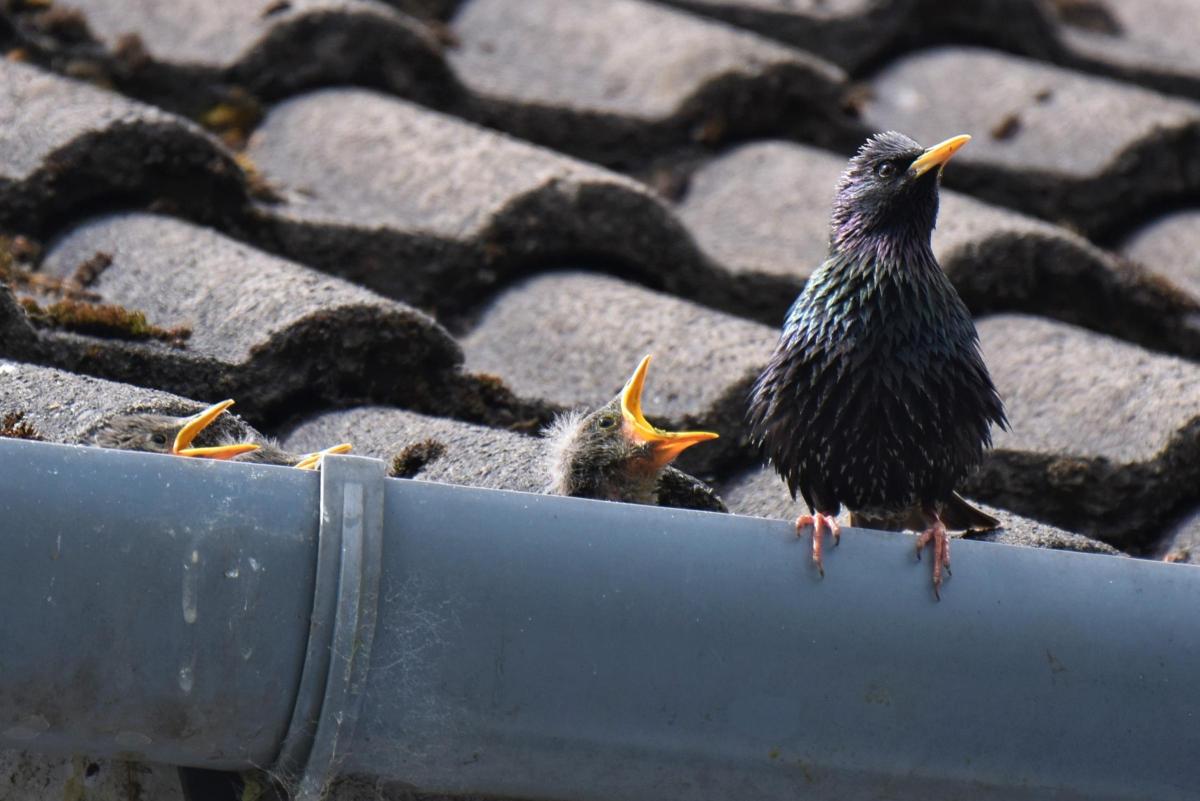
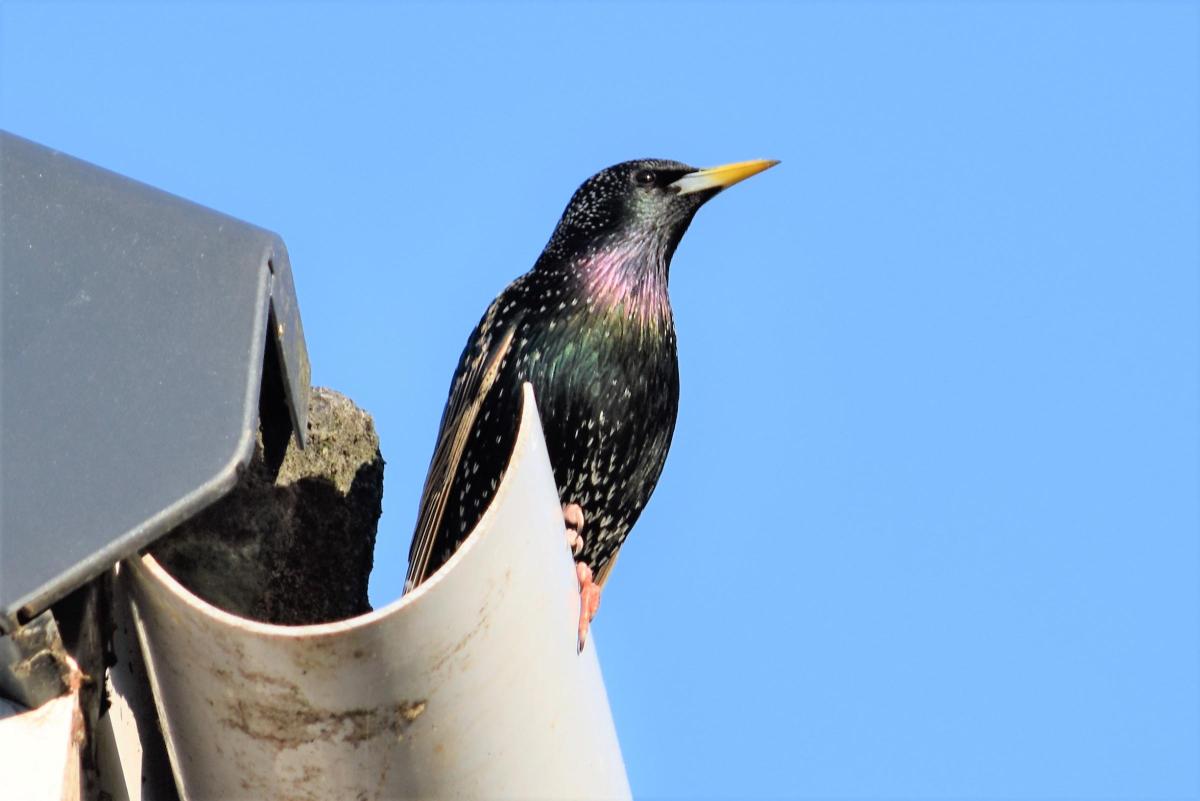
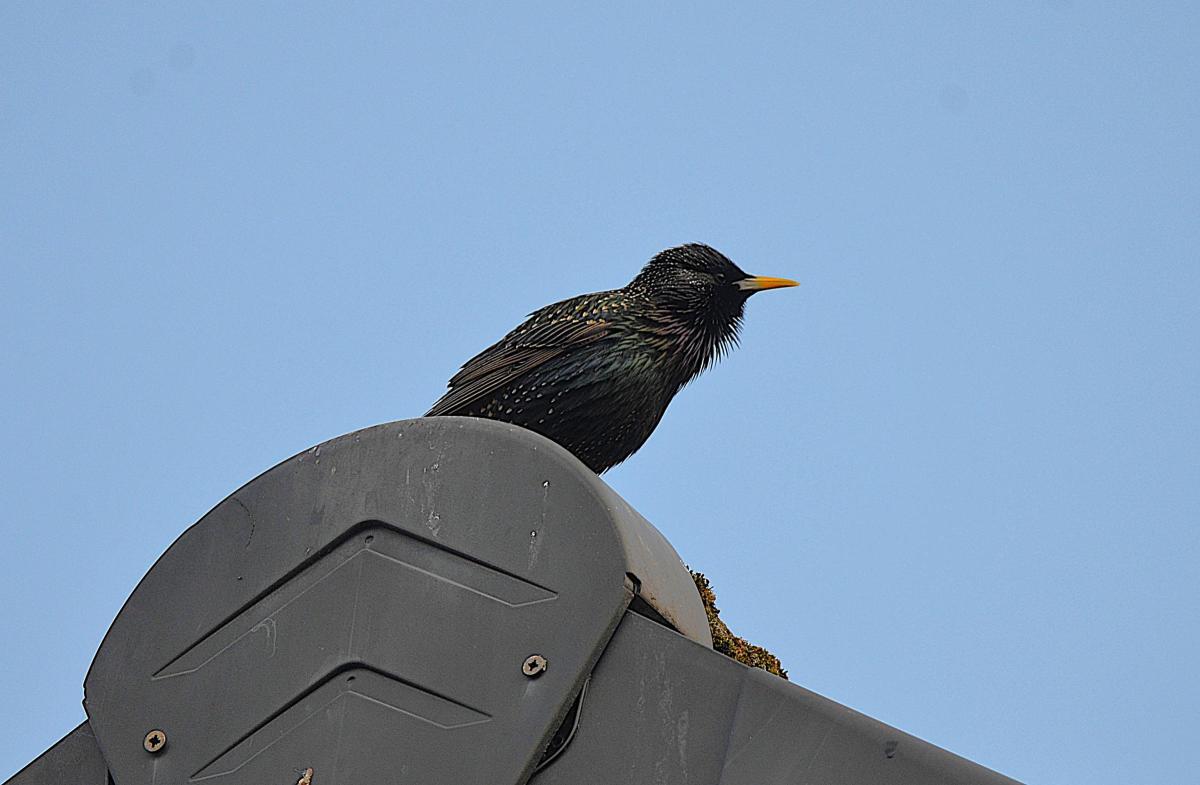
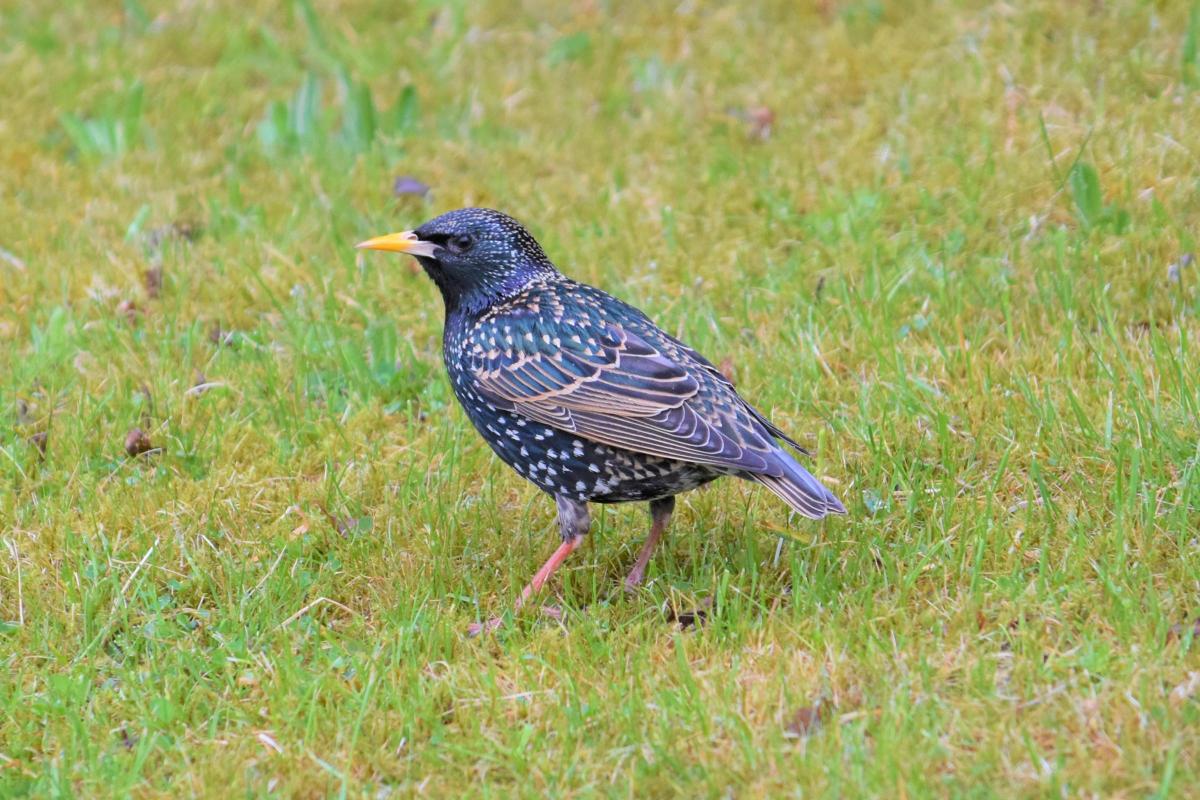
The source of the commotion is from a pair of nesting starlings, but because I adore these endearing little birds, I am content to let them be and raise their family in peace.
This is the first-time starlings have nested in this part of the house, they breed every year in a gutter cavity in another corner, and I suspect winter storm-loosened roof slates have enabled these new tenants to set up home.

The male is especially vocal, and sits on the gutter just above my study window, venting forth all kinds of strange whistles, warbles, chuckles and burbles. Starlings are renowned mimics, and with considerable aplomb this bird has already managed to imitate the mewing call of a buzzard and the scream of a swift.
All kinds of noises form part of a starling’s incredible repertoire including car alarms, bicycle bells or phone rings.

But why should a starling mimic others? One school of thought is that by having a wide and varied song repertoire, the male makes himself more attractive to females.
In essence, he is a natural performer, a talent show participant looking to wow his admiring audience with an array of vocal skills.
Starlings are also resourceful when it comes to nest building. This pair have been swooping down to an ornamental black elderberry bush in the corner of the garden, then vigorously pluck the soft, feathery leaves to use as nesting material.

One would imagine that nesting in a roof space is a safe place to rear a family, but this is not always the case, and a few years ago the other nesting pair in our house lost all their young after a carrion crow managed to pick them off one by one each time a youngster poked its head outside the cavity.
One reason for my delight in having nesting starlings is that despite their apparent ubiquity, they are in decline and classed as a bird of conservation concern.
Starlings feed on a wide range of grassland invertebrates, including leatherjackets, and changes in farming practices have led to more intensive management of such areas, reducing their food supply, and thus impacting upon numbers.

They are, however, widespread in Clackmannanshire and common.
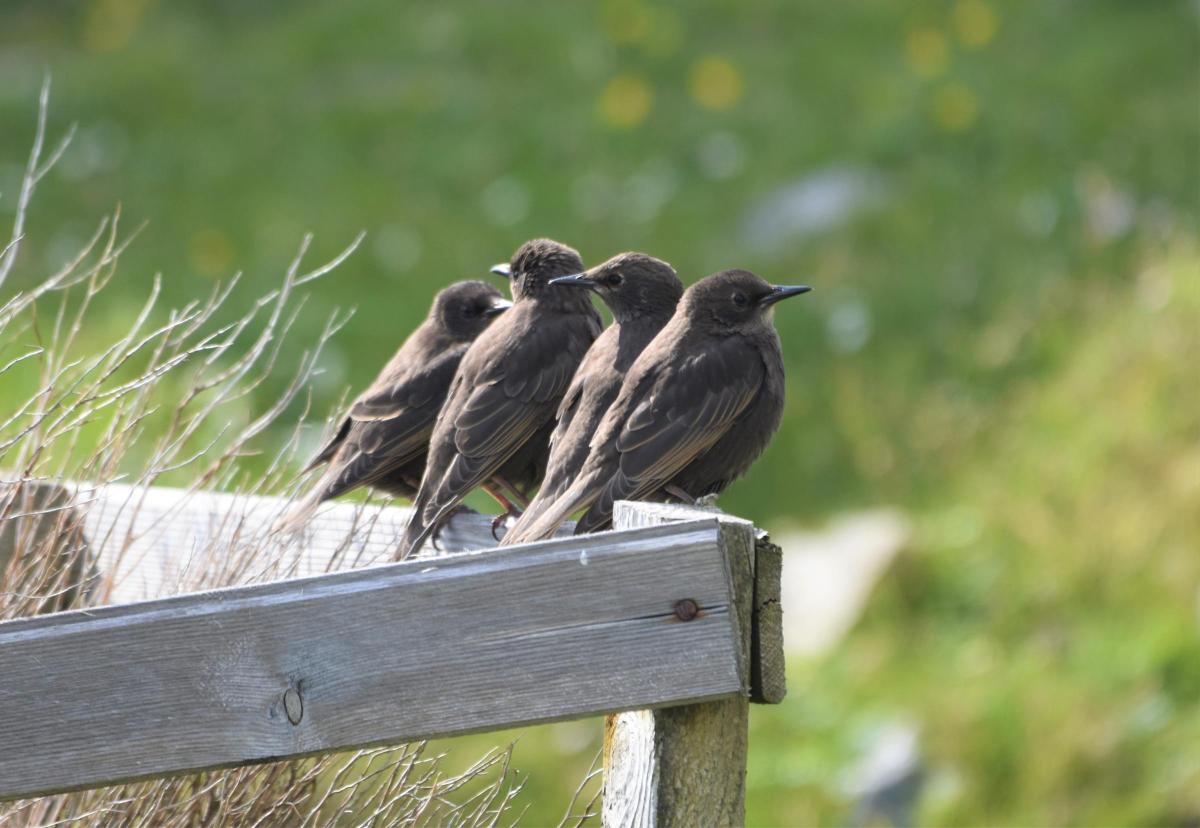
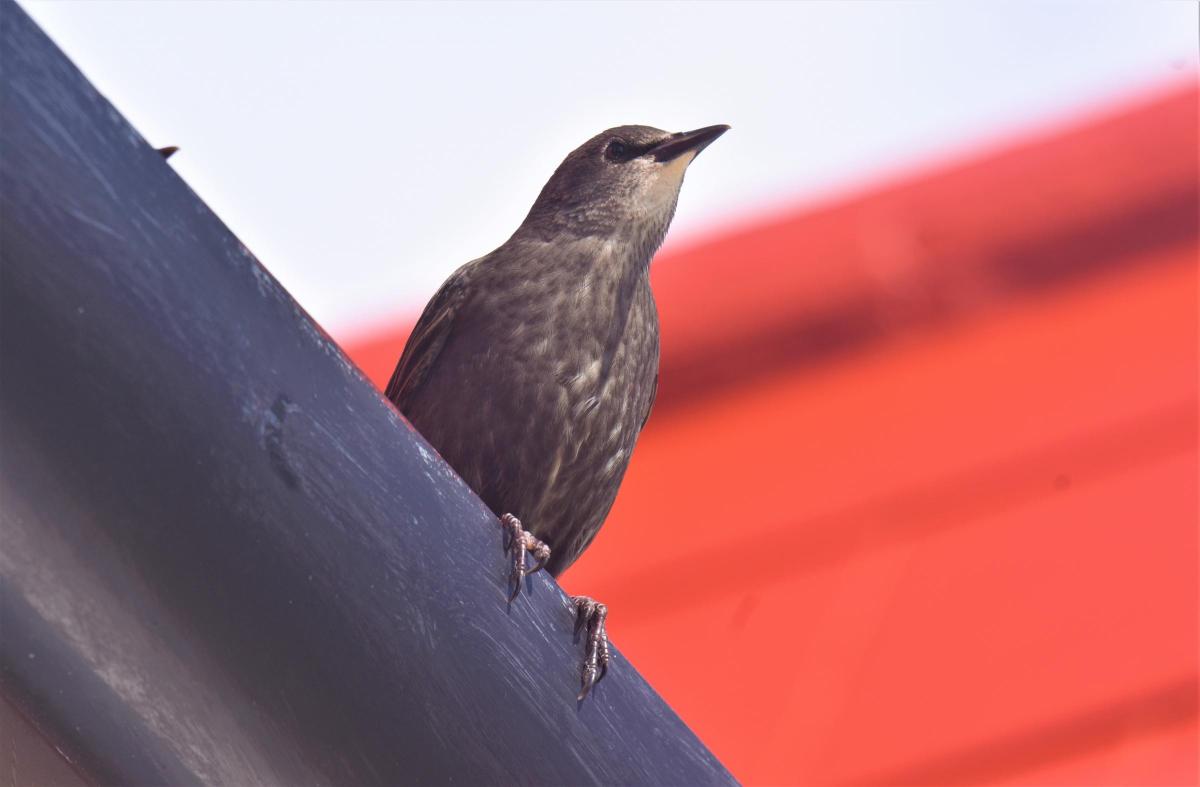
Starlings are gregarious birds that love to be in the company of their own kind, and once the chicks hopefully fledge from my rooftop nests, they will gather with youngsters from other starling families to feed in large groups on garden lawns and rough pasture land.
It is a time of great excitement, with much calling and bickering, swirling wings and far-carrying whistles. It is a celebration of new life and a wonderful reaffirmation of the vitality of nature.


Share