



An especially enjoyable walk at this time of year is along the River Devon from Vicar’s Bridge to Rackmill near Dollar.
The bankside of the river abounds with wildflowers and it is challenging to get into a regular pace because of the temptation to continually stop to admire their beauty and variety.
This is a time of year to savour because this magical spring and early summer flowering brilliance that brings colour across the Wee County is but a fleeting seasonal joy.
In only a few weeks’ time, many of these flowering gems will have wilted, leaving behind a gaping chasm and the sorrow of a season just passed.
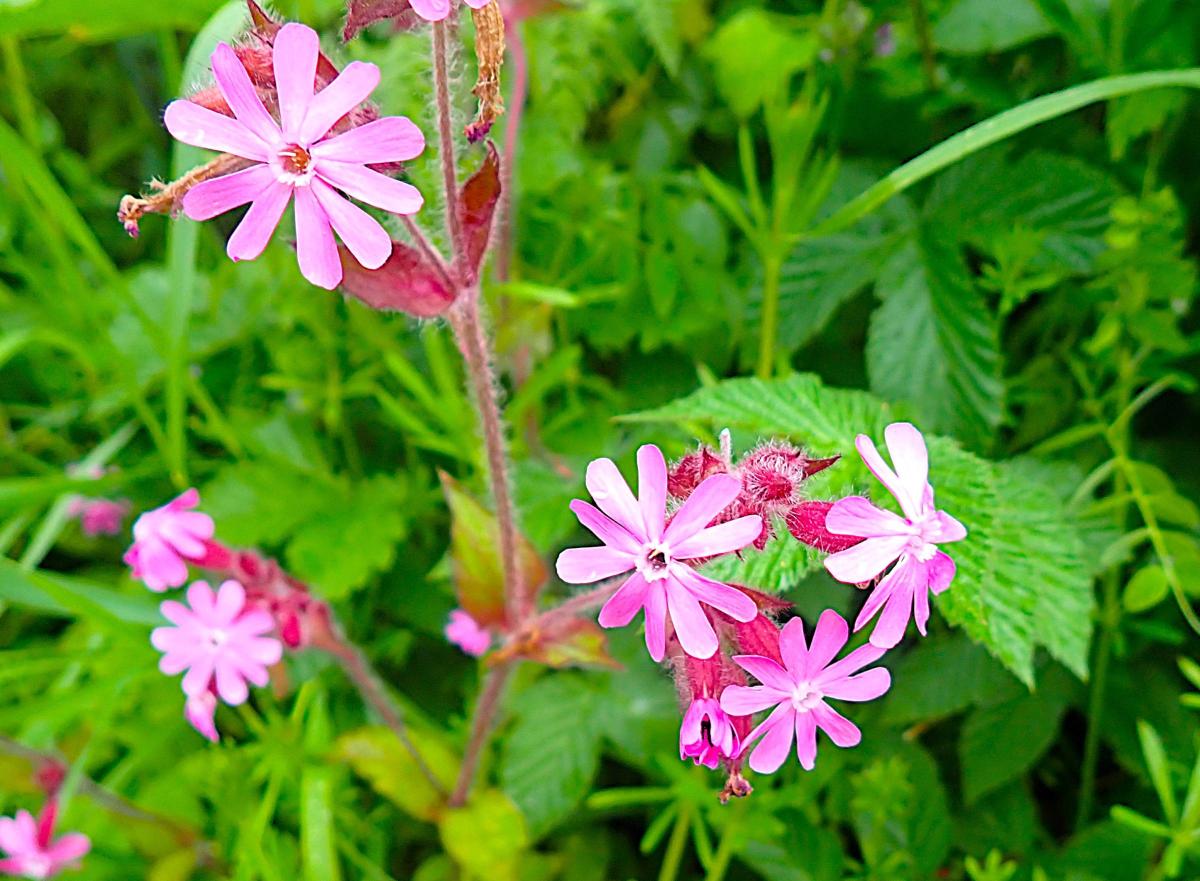
Red campion is abundant along the River Devon bankside and it must classify as one of our longest flowering plants, because I recall even finding them in bloom at Christmas time in some years.
However, the plant is poorly named, for pink campion would be a better reflection of the colour it holds.
Each red campion plant has flowers of one sex only, so that two plants are needed to make seed.
Despite the beauty of the flowers, they are scentless.

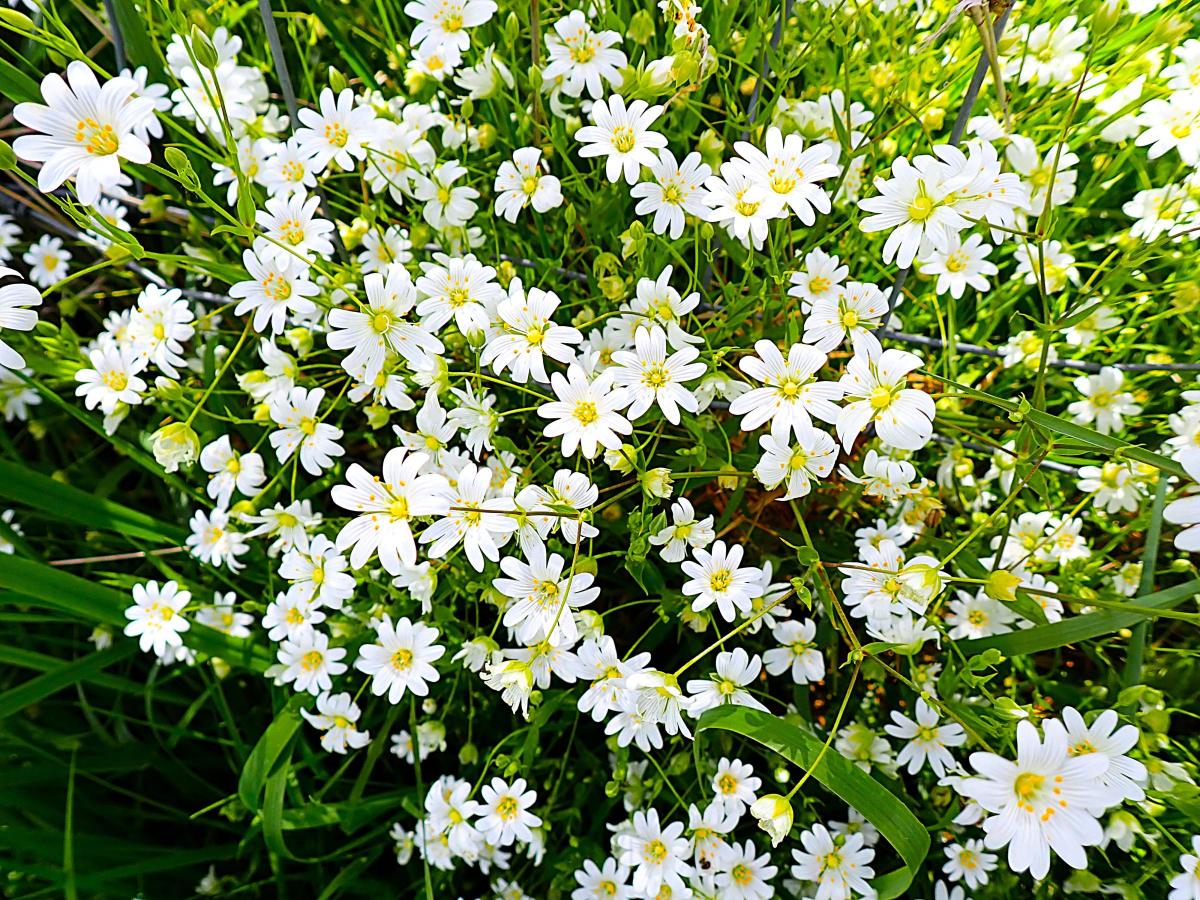
Greater stitchwort is equally prolific, with their wonderful white, star-shaped flowers.
The name refers to the fact that in the past it was used to ease ‘stitches’ in the abdomen and similar pains.
A preparation of stitchwort and acorns taken in wine was the standard remedy.

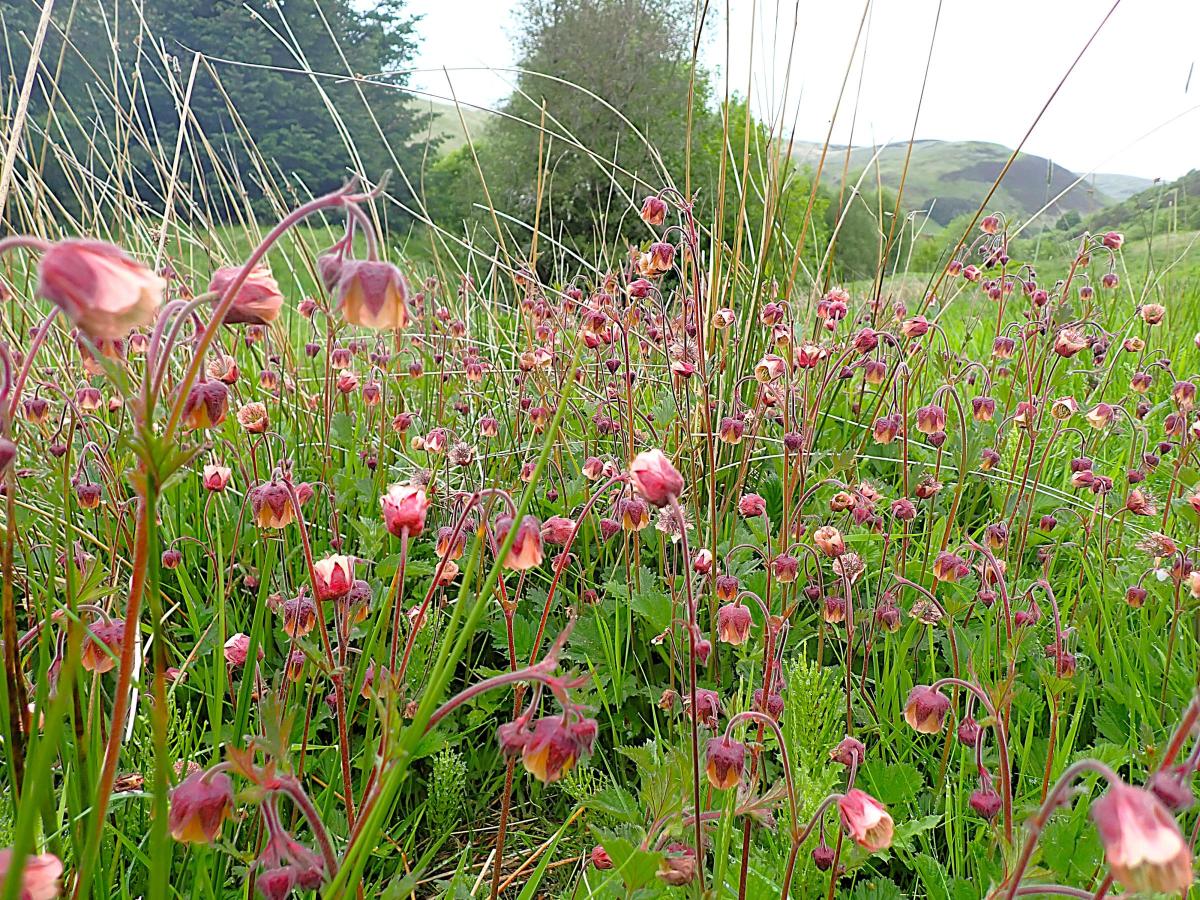
One of my favourite flowers that can be found along this section of bank is the water aven, an under-stated little flower that prospers in damp margins.
The nodding, purple and orange bell-shaped flowers are easy to miss such is there underlying subtlety.
Yet, when one hunkers down close to examine the flowerheads in more detail, they are an epitome of exquisite floral beauty.

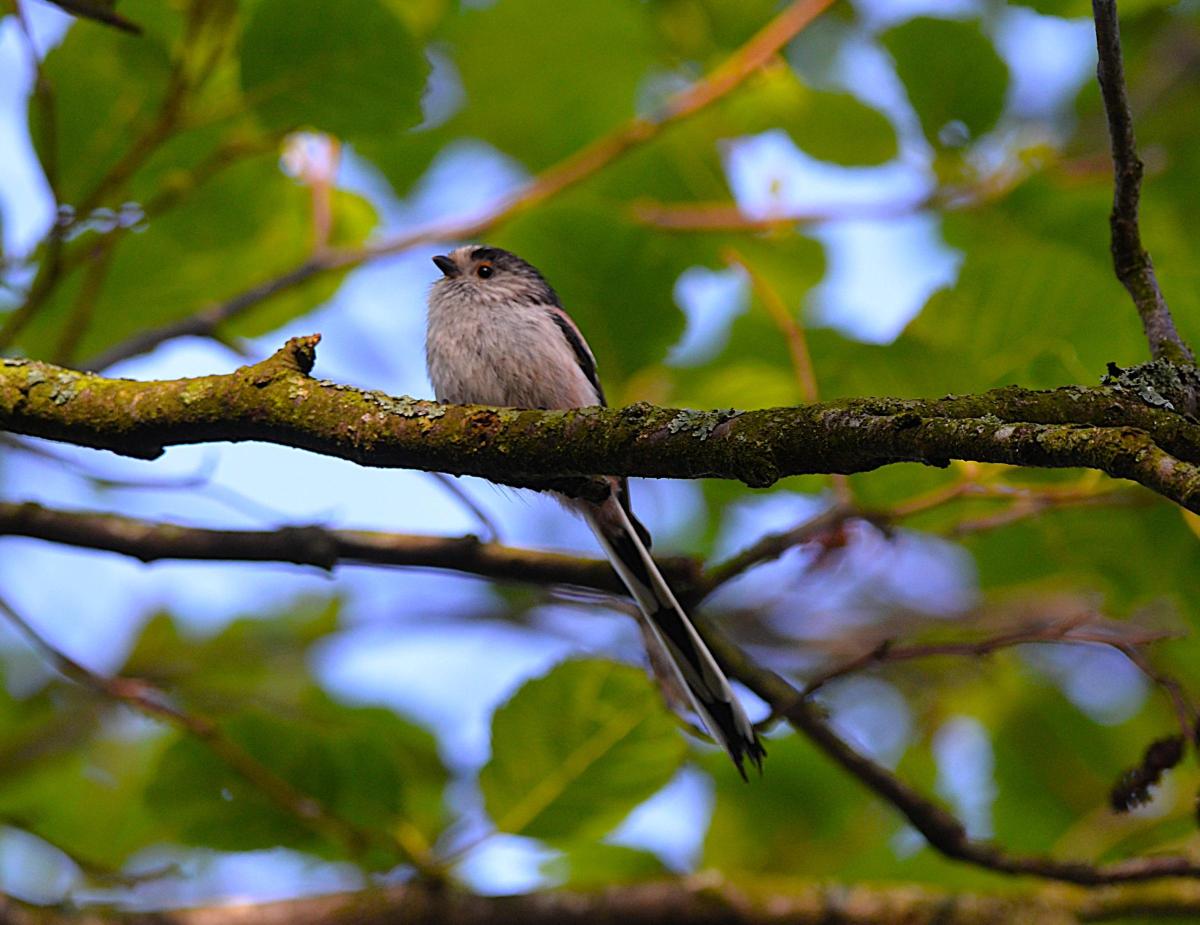
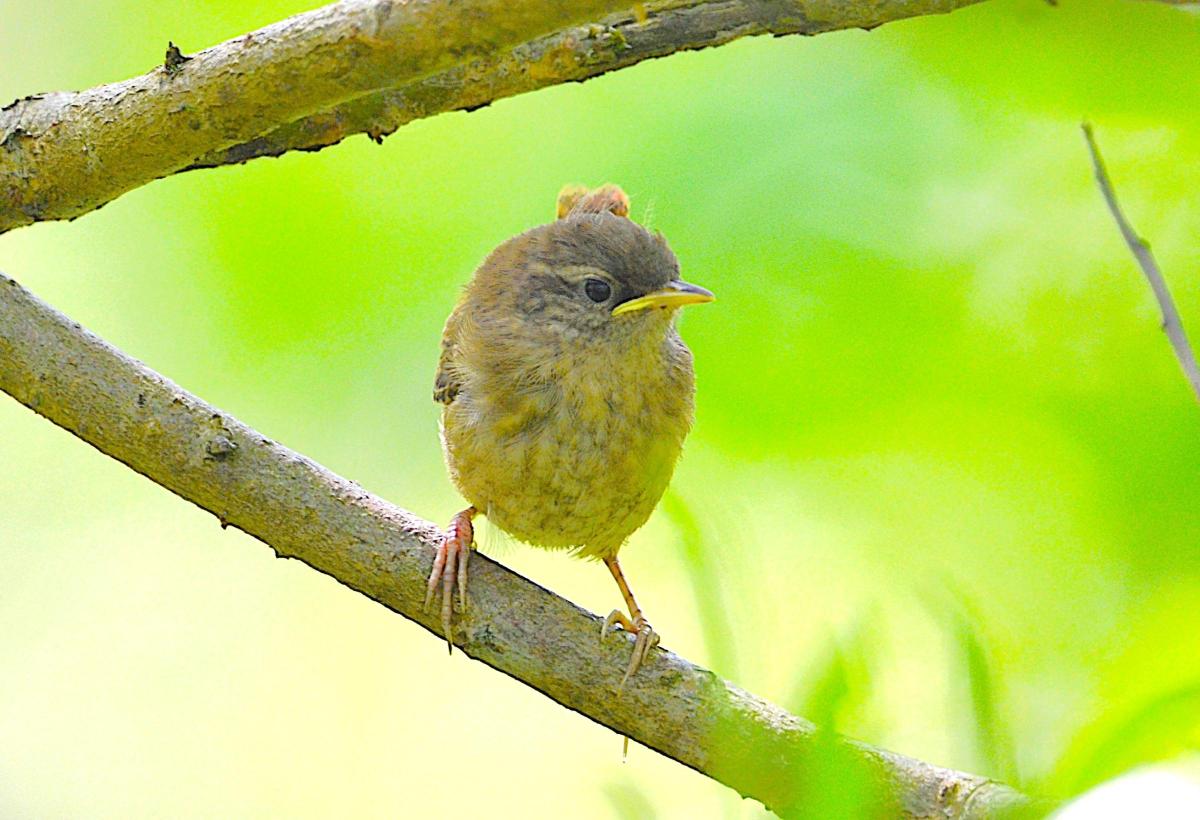
There is also plenty of bird life about, too, on this part of the river, and last week, I was enchanted by family parties of long-tailed tits and wrens as they busied themselves in amongst overhanging branches.

I also glimpsed a treecreeper as it crept up a tree trunk like a little scuttling mouse, using its long, curved bill to winkle out tiny invertebrates from cracks in the bark.

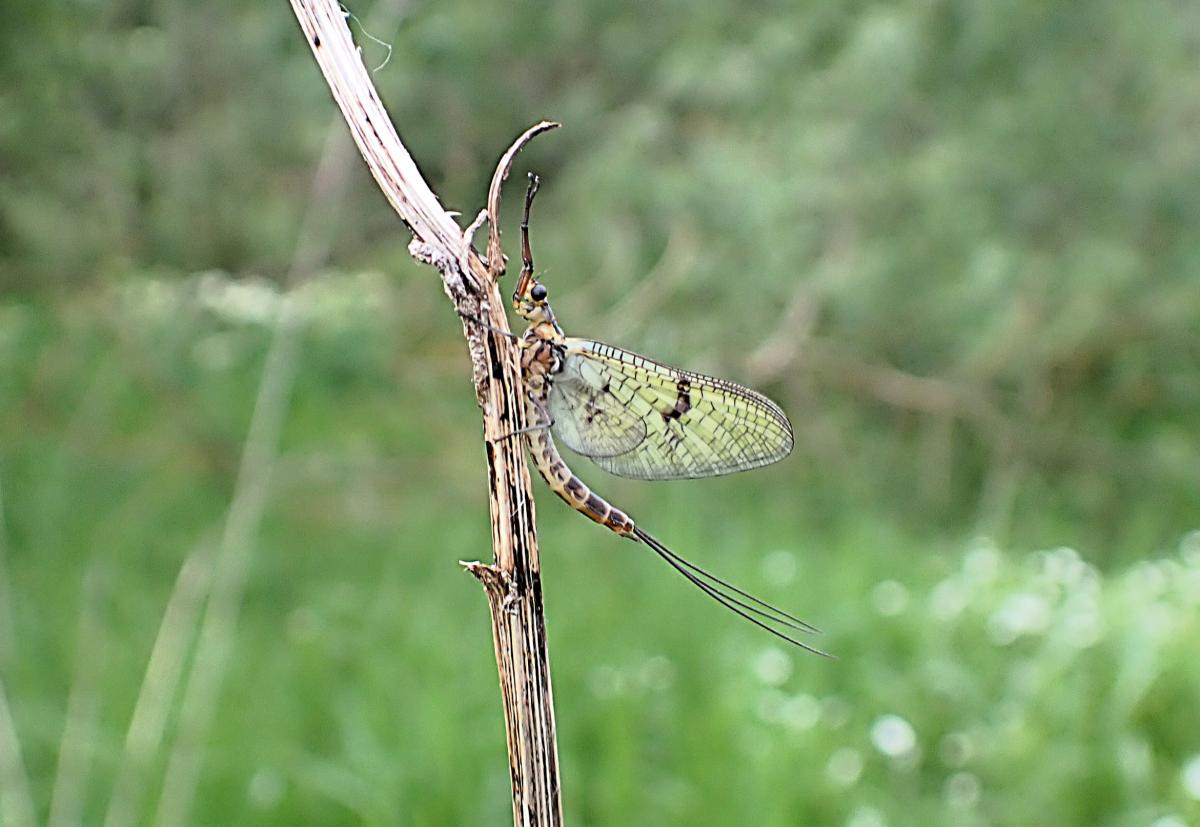
During the evening, mayflies can be seen in their droves at Vicar’s Bridge, dancing up in down in the air as they engage in their mating flights, and looking as if they are suspended on jangly, puppeteer strings.


Share