


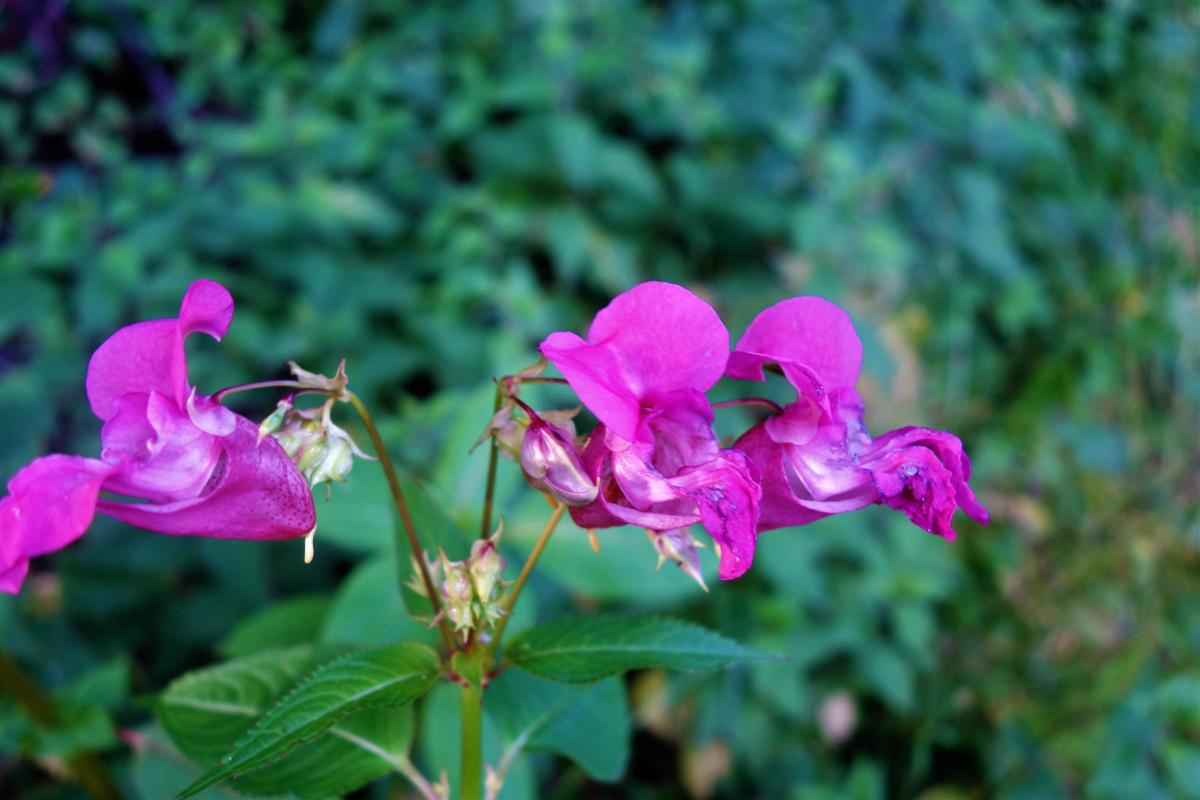
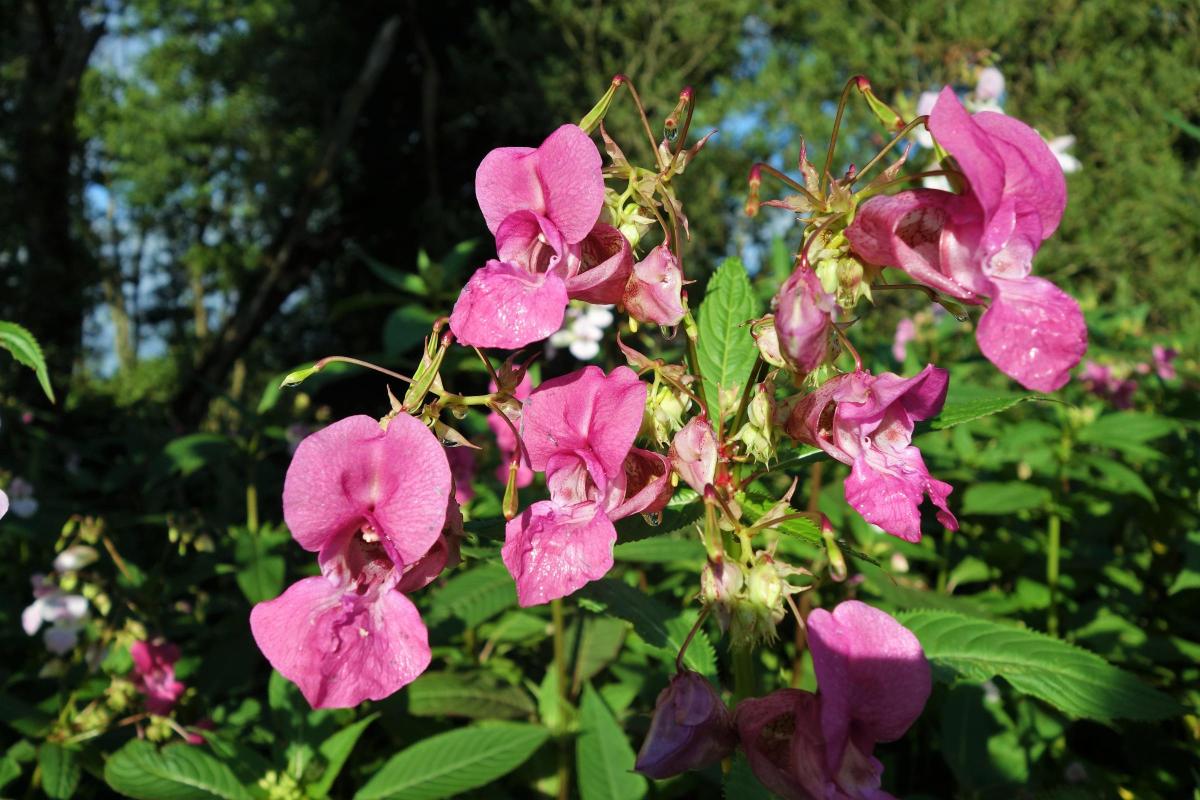

The large stands of Himalayan balsam are depressing to see when walking along the banks of the River Devon because as the name indicates, it is a non-native plant with the prodigious ability to spread like wildfire.
The towering plants soon shade out native species, and in winter when the balsam has died back, the bare soil is prone to erosion.
Himalayan balsam is particularly profuse along river courses because their exploding seed capsules (each plant can carry 800 or so seeds) can fling seeds a reasonable distance, which are then carried downstream in the water flow to colonise new areas.

In addition, while pollinators adore balsam, it creates a further problem in that their brassy blooms detrimentally lure nectar-seeking insects away from native flowers, upsetting the natural equilibrium.
Japanese knotweed is also a problem on several parts of the Devon, and over the last few years, another non-native called few-flowered leek is beginning to establish itself.
When writing my recent book, Wild Edinburgh, I was astonished by the abundance of few-flowered leek along our capital’s riverbanks and in woodland dells, carpeting large areas of ground.
Few-flowered leek is a native of western Asia, and its rapid growth competes with native wildflowers like ramsons, wood sorrel and wood anemones.
Common in southern Scotland, few-flowered leek has spread widely through east central Scotland, including around Dundee and up to Aberdeen and across to the Moray coast and Inverness.
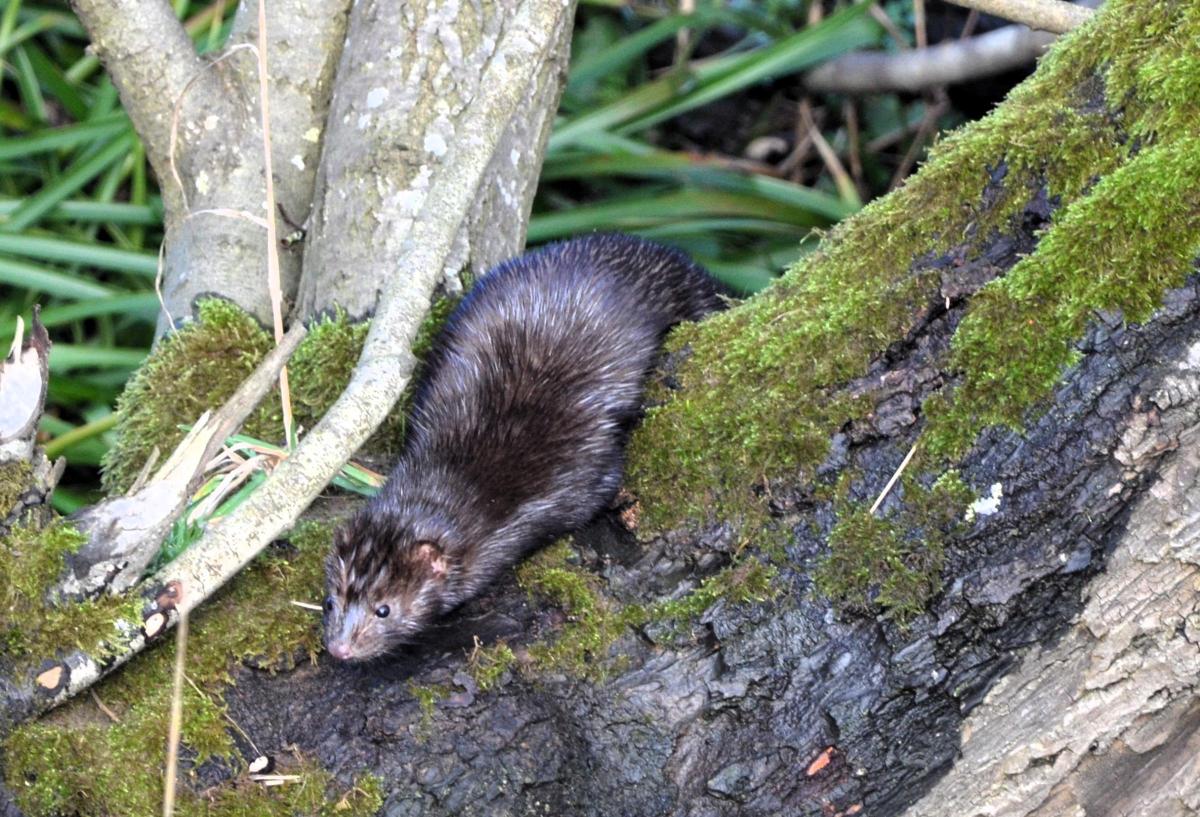
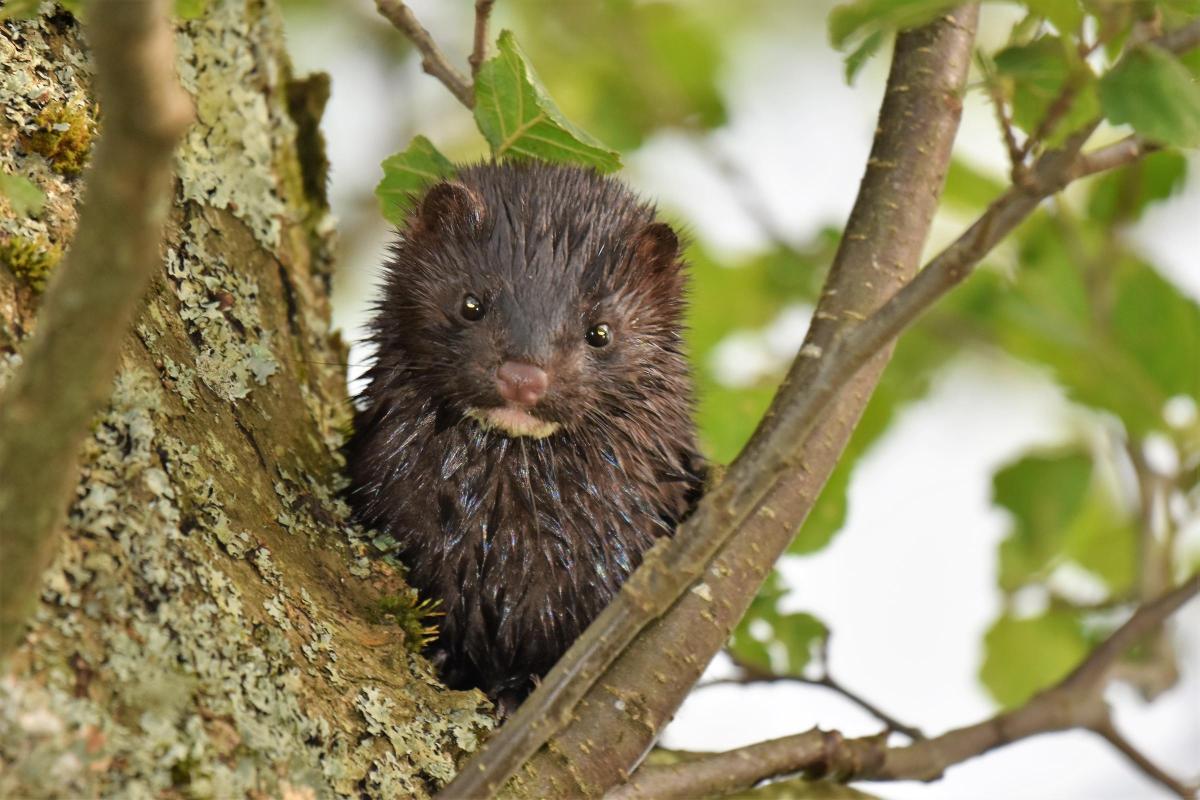
As far as non-native animals are concerned, the main problem species on the River Devon is the American mink.
They are beautiful animals, but don’t belong here, and their predatory abilities places additional pressure on native creatures.

For example, mink can swim like otter and take trout and other fish with considerable aplomb, and can climb like a pine marten, enabling them to raid birds’ nests.
Sandpipers, which nest on the ground by the river, are especially prone to predation.

However, I do seem to be seeing fewer mink nowadays by the Devon, possibly because otters are doing well on the river and out-competing them.
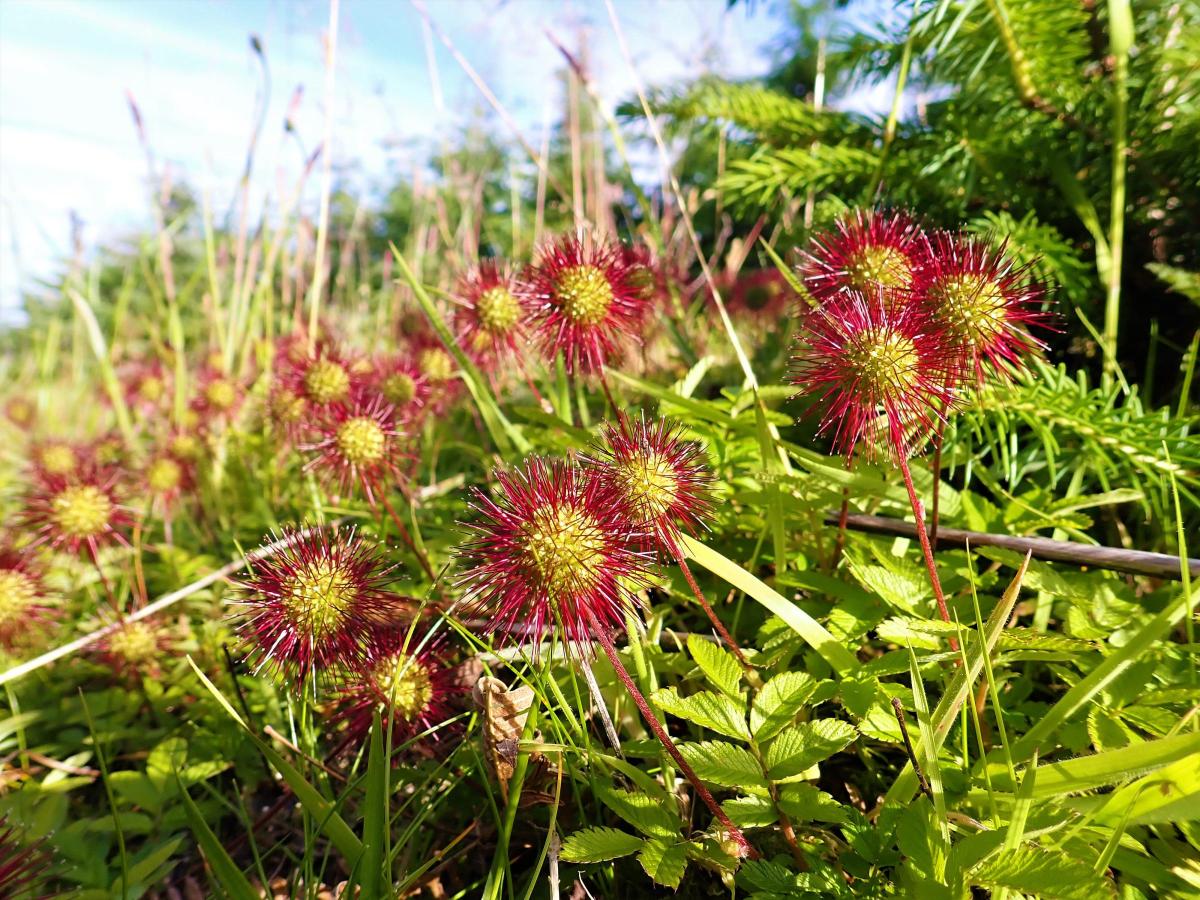
Up in the Ochils, piri-piri burr, which hails from New Zealand, now occurs in some areas. First recorded in the UK in 1901, it was most likely introduced here on the fleeces of imported sheep.

It is a small, sprawling plant, which produces balls of reddish flowers which ripen into red, barbed fruits, called burrs, which attach themselves onto anything that passes – boot laces, socks, dogs, foxes, deer and livestock, thus enabling their quick spread to other areas.
The influx of non-natives upon our shores is considered one of the biggest threats to national biodiversity, and combined with the challenging backdrop of climate change, our precious indigenous wildlife is under pressure from all sides in a constant battle for survival.


Share