



Take any of the hill tracks above Menstrie, Alva, Tillicoultry or Dollar and wonderful displays of wildflowers will inevitably unfold before your eyes, nurtured by the balmy days of summer.
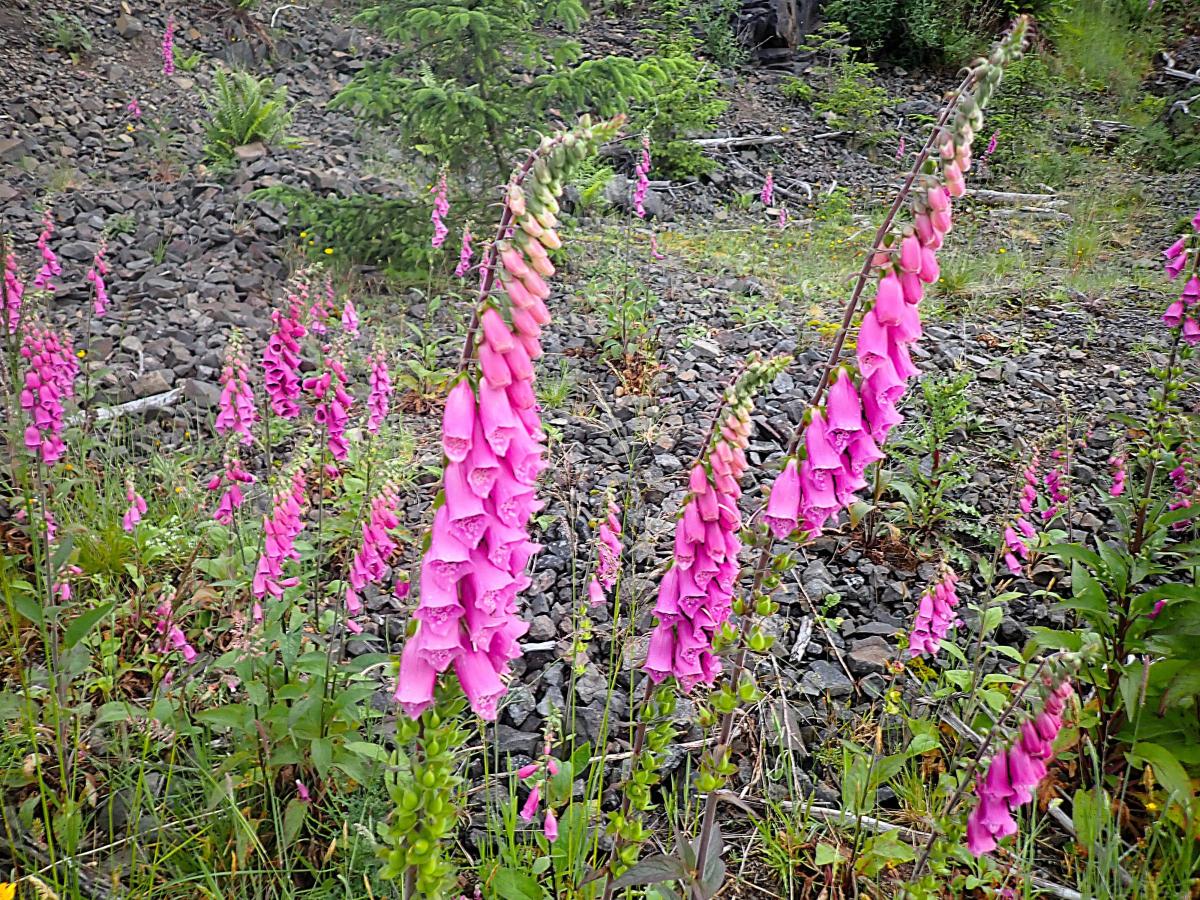
The long, purple studded flowerheads of foxgloves sway in the hill breeze and the ground is carpeted with snowy dustings of the diminutive blooms of heath bedstraw.
The foxglove is a most interesting plant with their beautiful purple bell-shaped flowers held aloft on towering spikes.
The plant produces thousands of tiny seeds held in egg-shaped capsules, which are scattered whenever the long stems quiver in the wind.
The foxglove is such a brassy plant, so eye-catching and dominant compared to our other native flowers.
Bumble bees adore foxgloves and one can become engrossed by watching them enter the tubular flowers before slowly backing out again after having supped their fill of nectar.

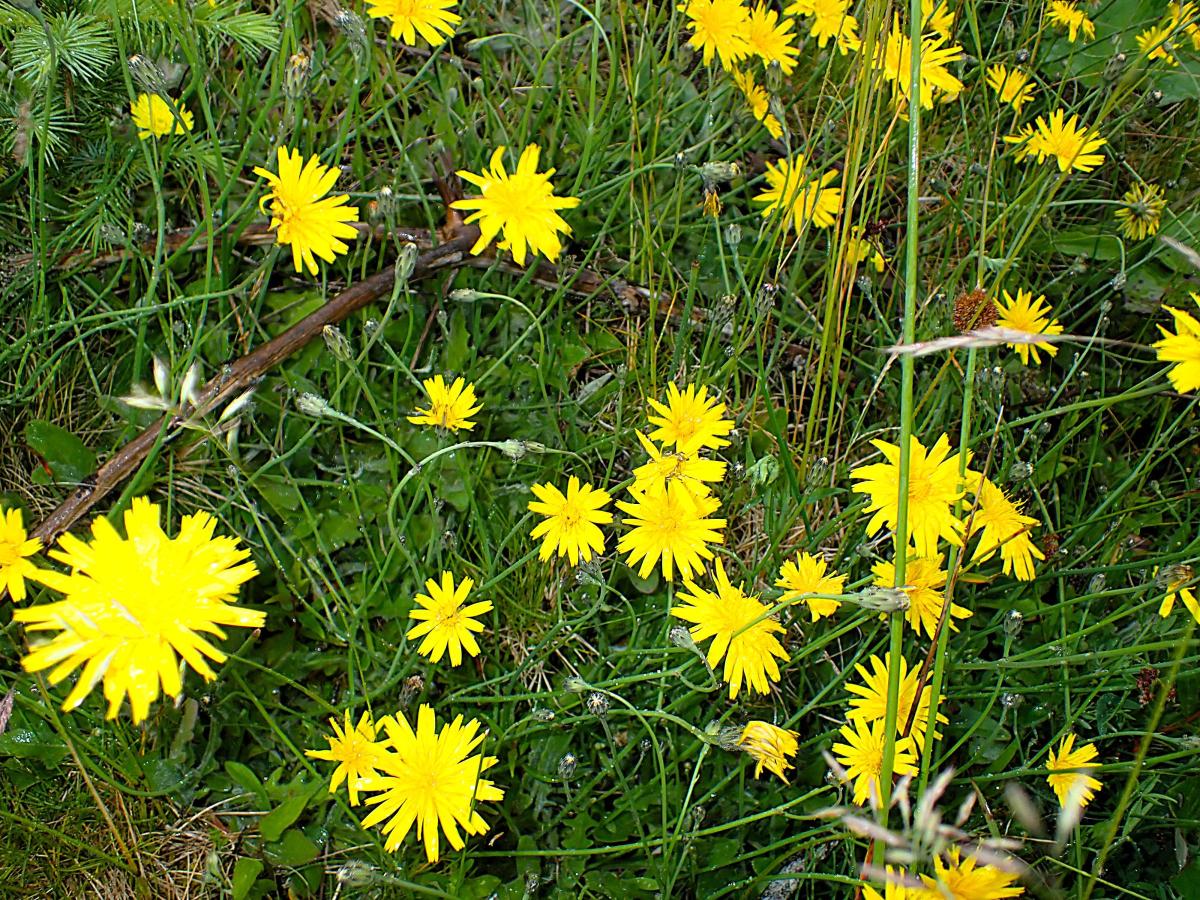
Also abundant are the dandelion-like flowers of rough hawkbit, which is especially prolific by Ochil track edges at the moment.
The yellow-frilled flowers are stunning and close-up at night or when it is wet and cold.
Research on British meadow plants has shown rough hawkbit to be one of the highest nectar-producingnative perennials, which underlines its wider importance to nature.

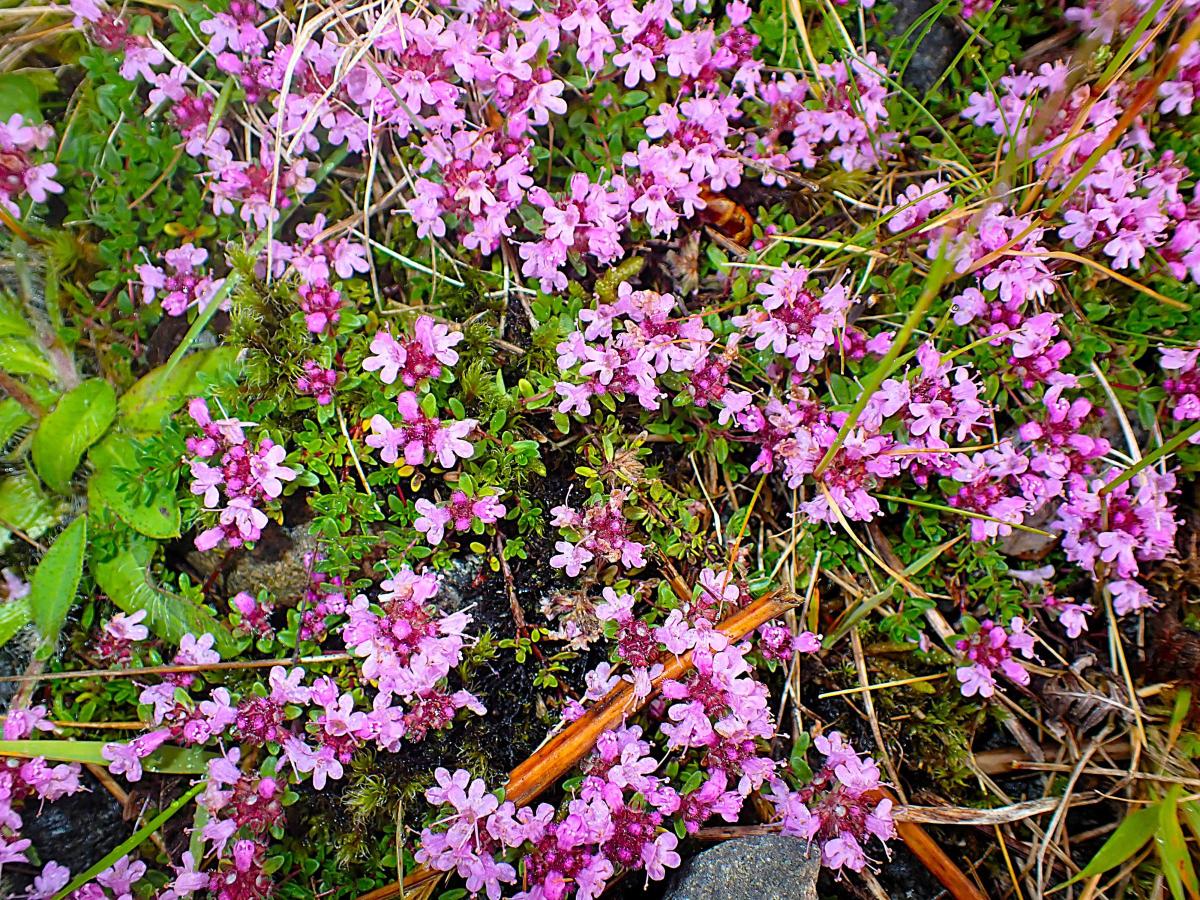
Look out too for delicate lilac-hued carpets of wild thyme, one of my favourite hill plants.
An old Highland belief held that if you sat on a bank where wild thyme and heather grew together on mid-summer’s eve, you might catch a glimpse of fairies passing.
In Scottish folk medicine, thyme was carried or brewed as a tea to give courage before a difficult task or to cleanse a house after illness.

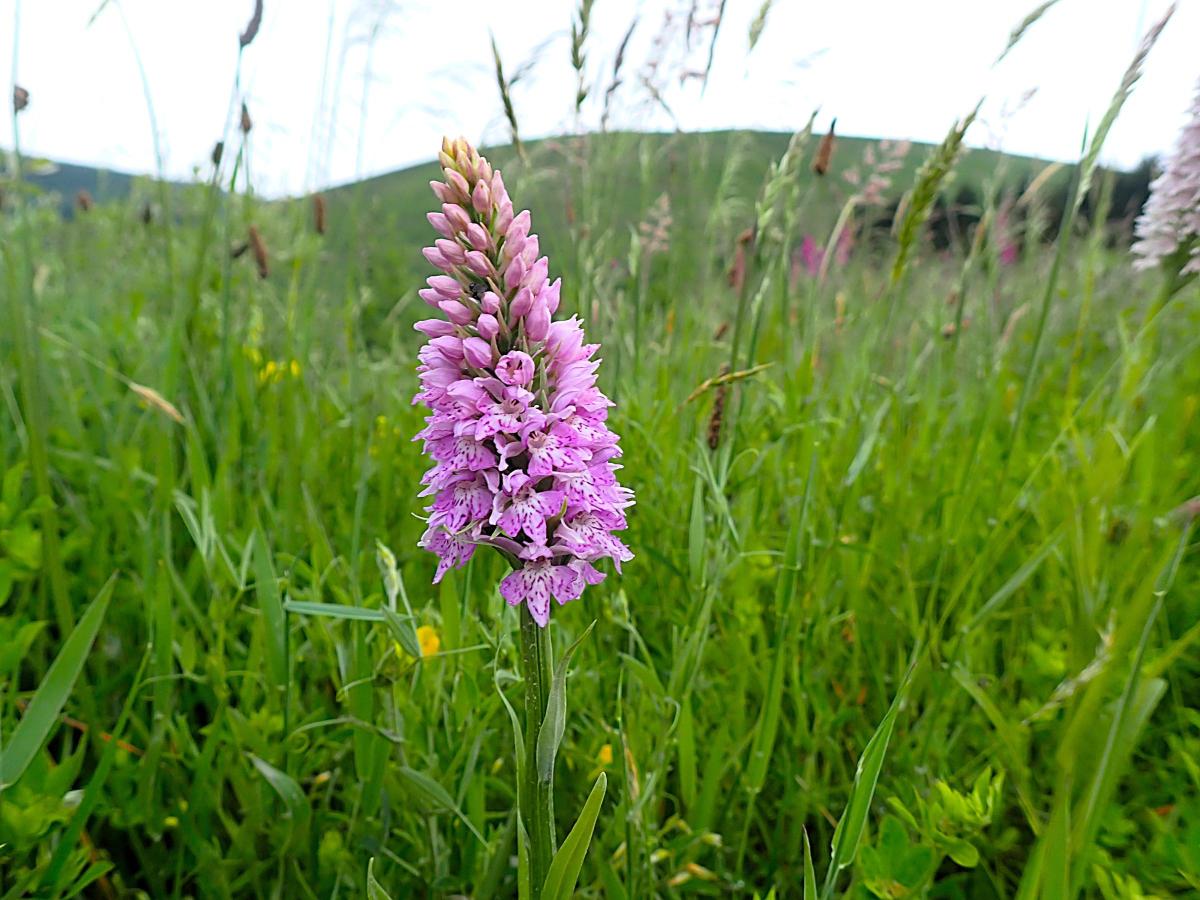
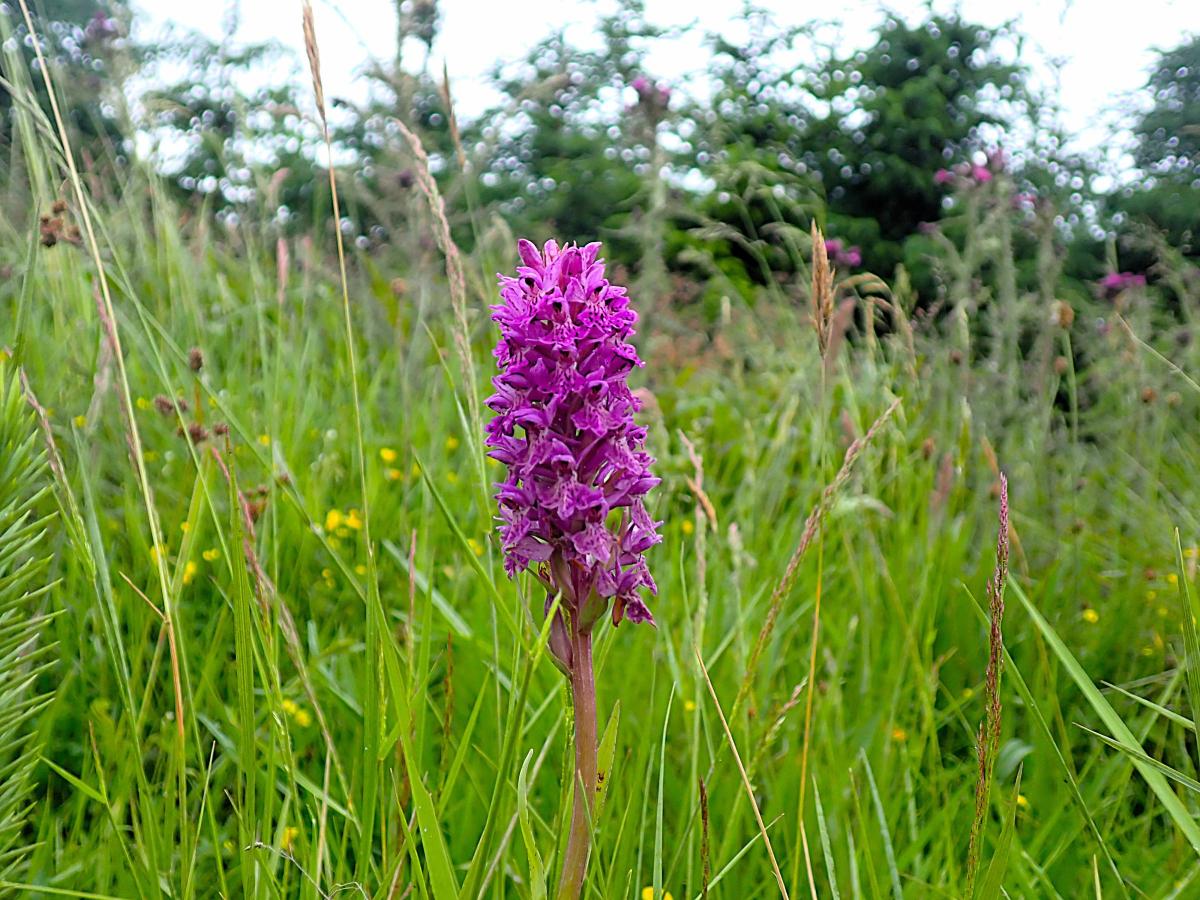
In grassy margins, common spotted and marsh orchids are also often glimpsed, their pyramidal spikes a joy to behold.
All orchids seem to have an inherent beguiling quality - but why should this be so?
I reckon the very word ‘orchid’ itself creates these almost mystical qualities, conjuring images in the mind of the world’s many incredibly coloured and exotically shaped tropical species.
Orchids are closely associated with beauty and rarity, and this is what excites, although perversely these two qualities are not always the case in Scotland with some of our species being reasonably common and others quite dowdy.

Orchids have enthralled humanity since the beginning of time and have long been associated with love and fertility.
Concoctions using ground orchid tubers were frequently used as aphrodisiacs and the Greek physician Dioscorides believed that orchids influenced sexuality and that eating their roots could determine the sex of unborn children.
Who would have thought that such racy plants occur right on our doorstep in the Wee County, and which are steeped in such intriguing legend.


Share