



A walk with friends starting at the Ochil Hills Woodland Park in Alva and then up to Ben Buck before looping back to Ben Ever brought the reward of scores of butterflies, including painted ladies.
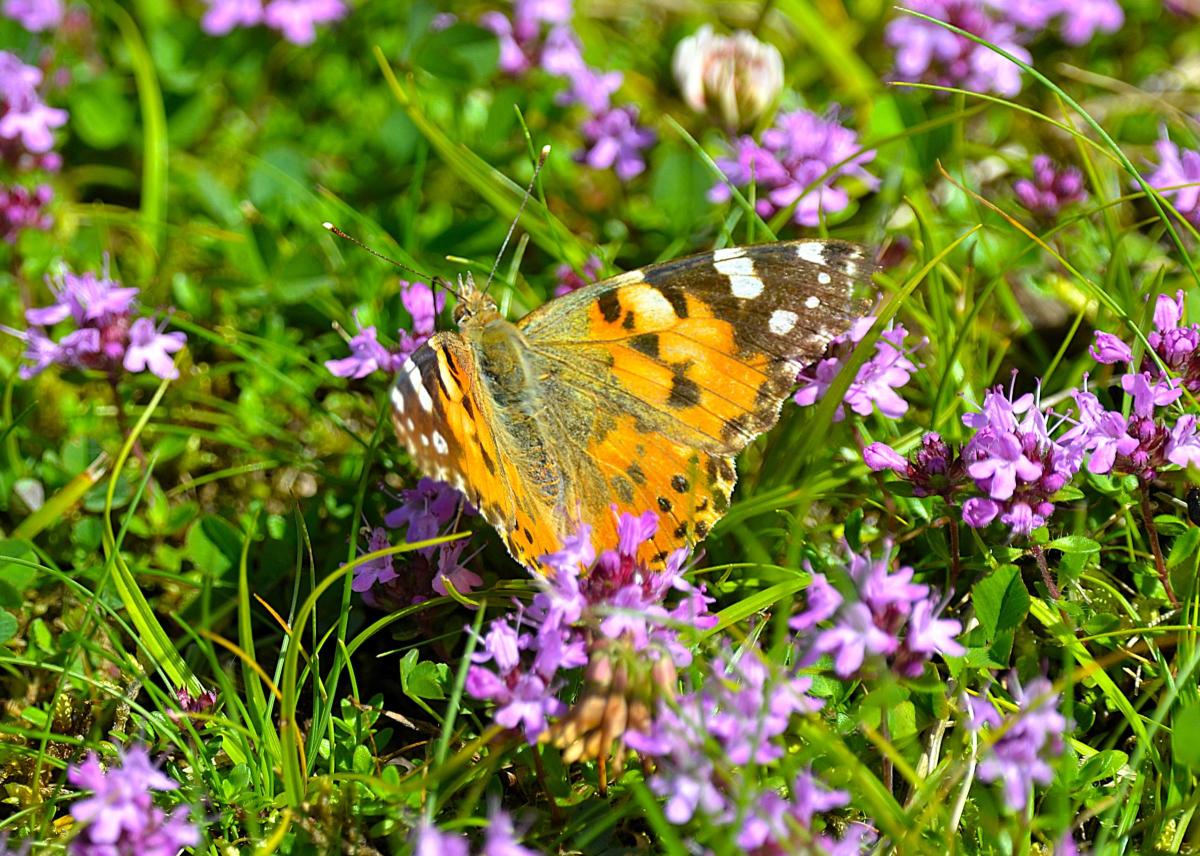
The painted lady is an attractive butterfly daubed by splashes of orange-beige, black and white. They are also one of our most intriguing creatures. Abundant in some years, and scarce in others, they are marathon migrators that arrive upon our shores from north Africa.

It is accomplished via a succession of several generations, meaning the ones that reach Scotland are descendants of those that started the journey in Africa. Despite their delicate appearance, they can travel up to 100 miles a day at speeds of up to 30 mph.
This year looks like being a bumper one for painted ladies, and we saw many, especially on the lower sections of the track where they were attracted by the lilac-hued blooms of wild thyme.

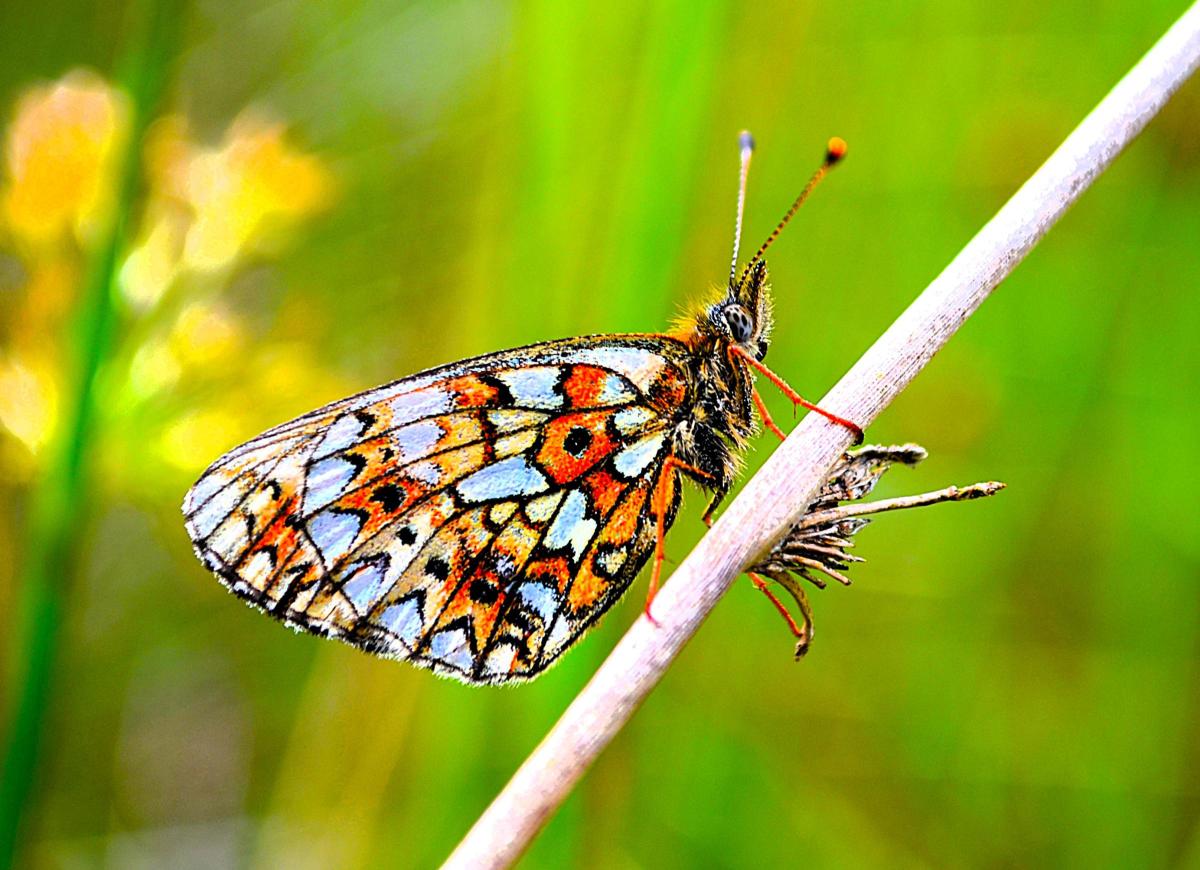
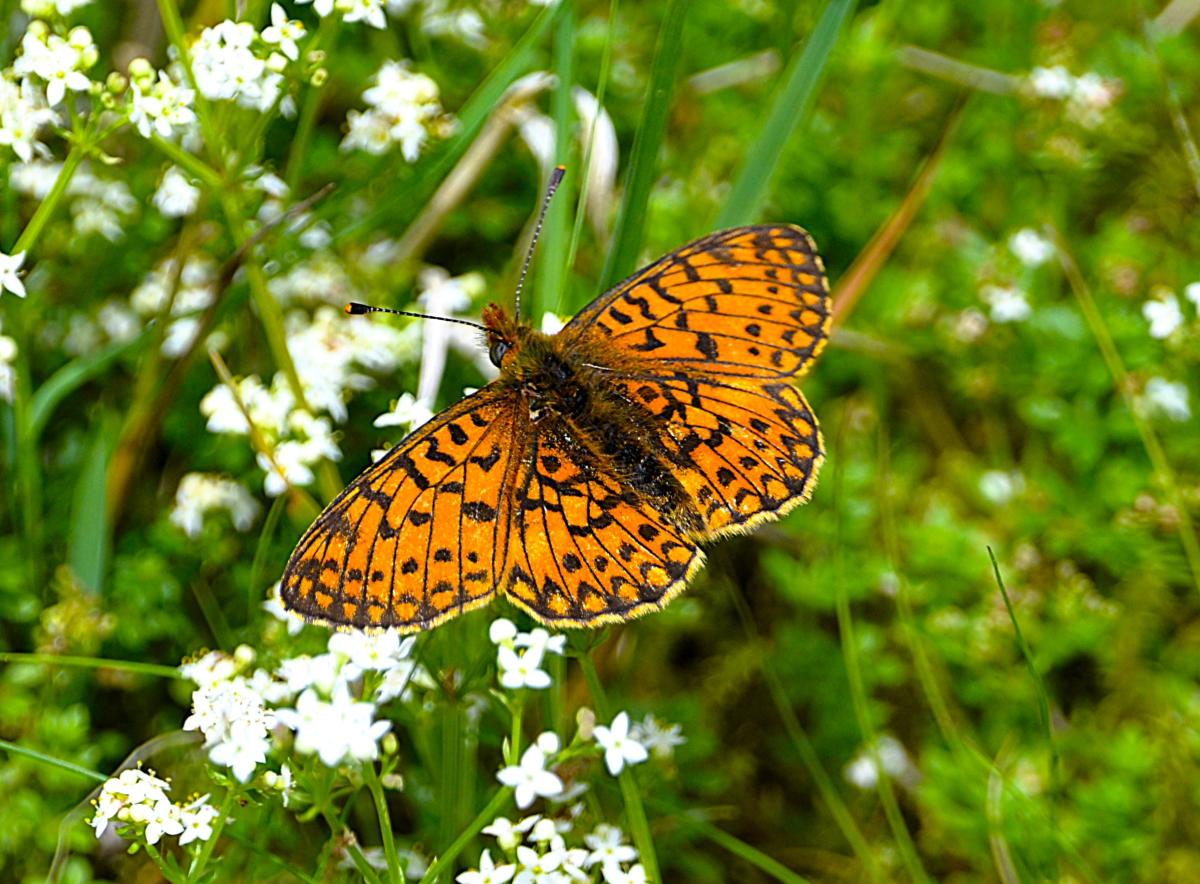
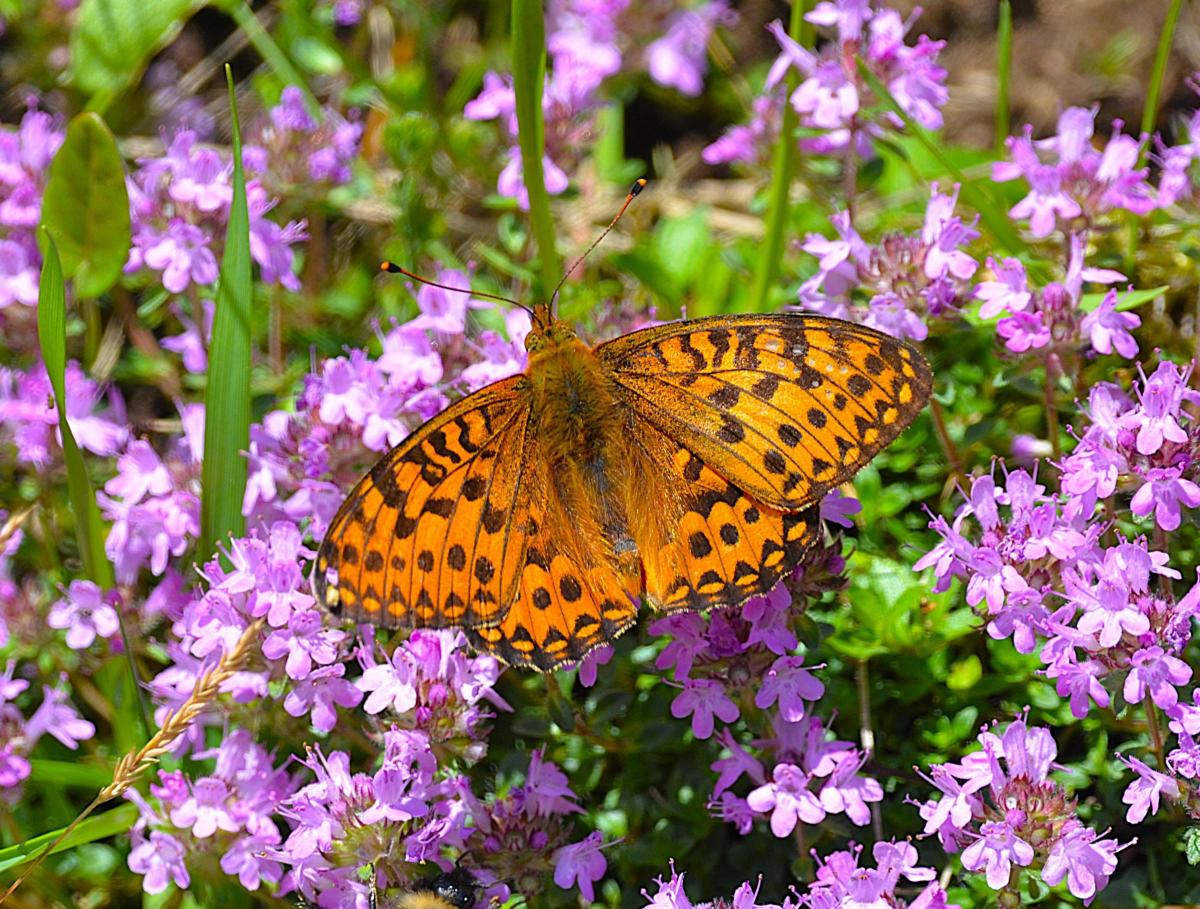
There were also several dark green fritillaries about – a misnomer if ever there was one, for the upper-wings of this fast-flying butterfly are patterned with orange and black. It gets its name from the green on the underwings, and which helps distinguish it from the similar looking small pearl-bordered fritillary.
This latter butterfly is also widespread in the Ochils and can be seen spiralling up into the air on orange-whirred wings, and plunging back into the flower-speckled hill track margins to disappear like mystical phantoms.

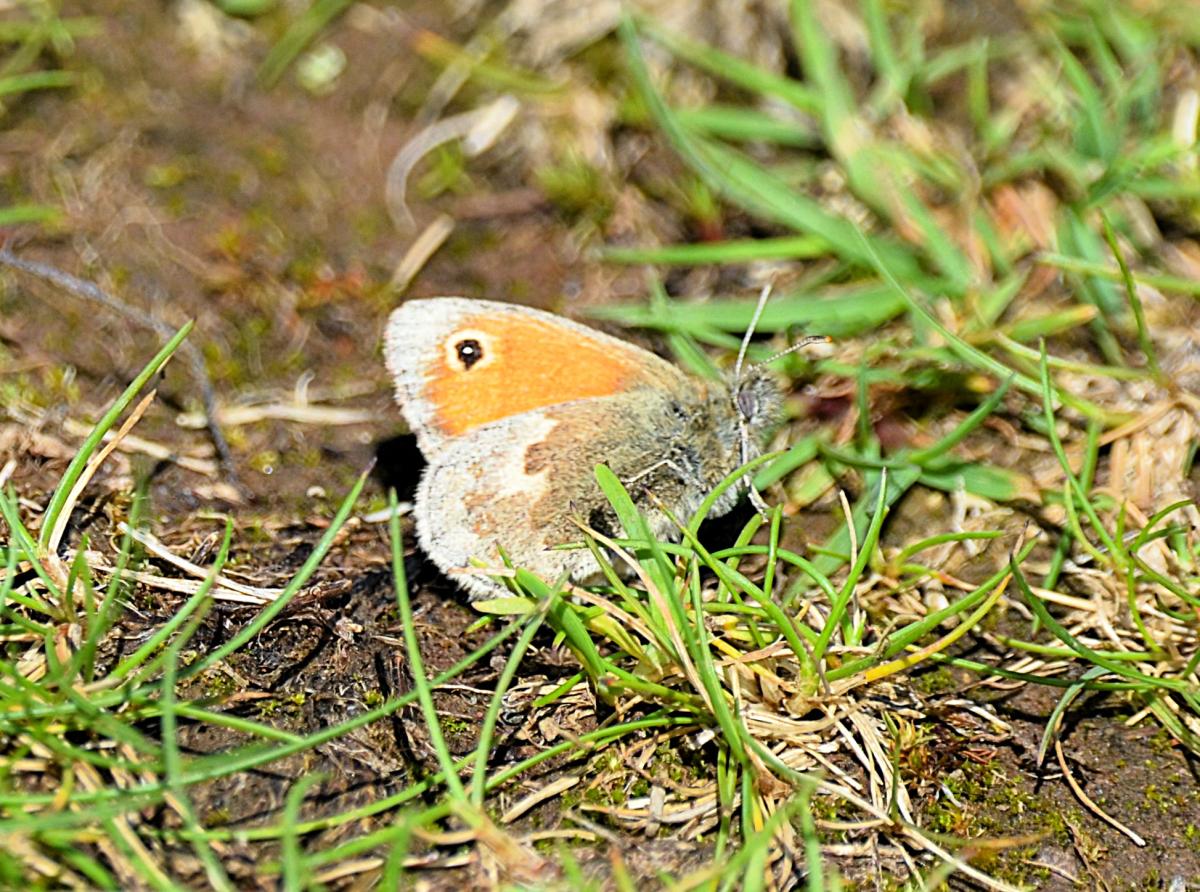
Another butterfly encountered on our walk was the small heath. This vulnerable butterfly cannot breed in modern agricultural pastures because the broad-leaved agricultural grasses are not to their liking.
There must have been massive losses of this butterfly when ancient pastures underwent large-scale ploughing and re-seeding during the mid-twentieth century. Fortunately, the small heath is still quite common on the unimproved grasslands of the Ochils.

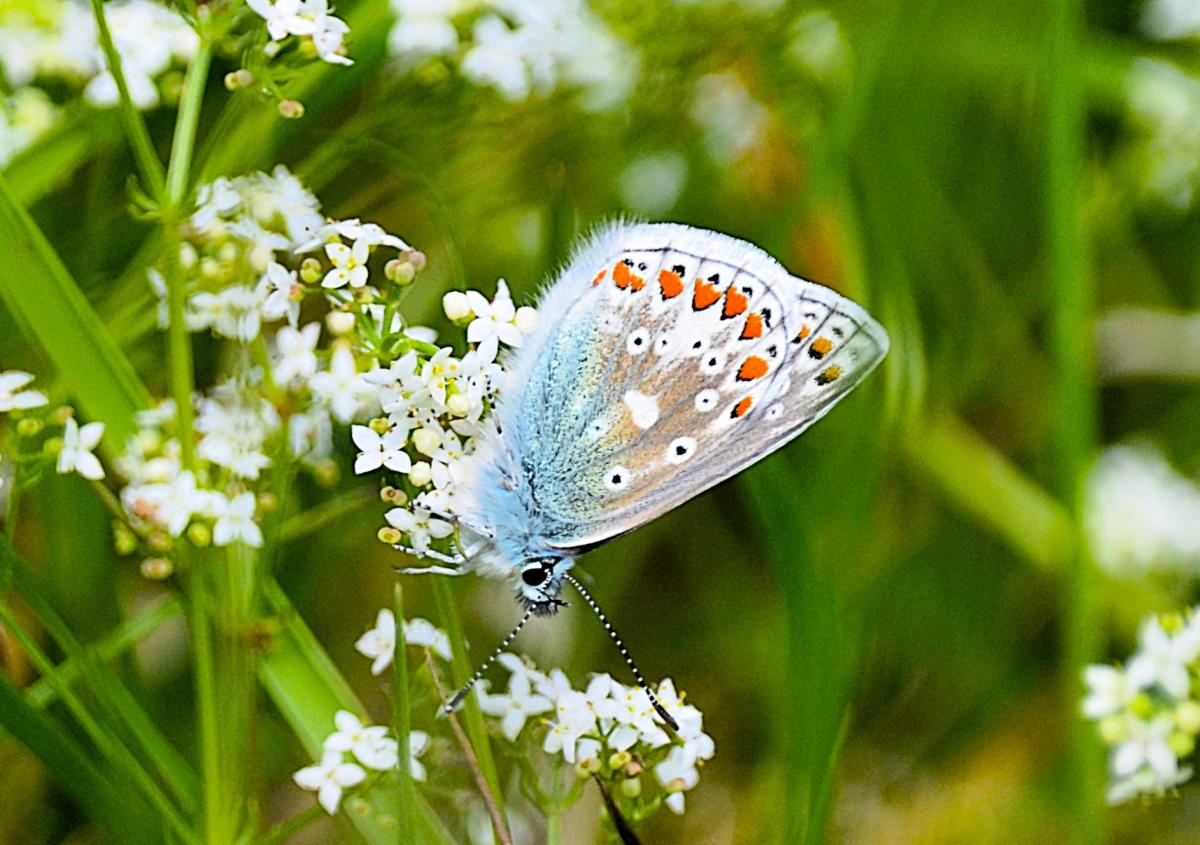
A visit a few days previously to Dunning Glen had brought me encounters with several common blue butterflies. As with the of the dark green fritillary, the name is not entirely accurate for it is far from common.
However, they were unusually abundant in Dunning Glen and this year could be shaping up to be a good one for them, despite the wet summer experienced so far.

I watched one common blue settle on a fern and was completely enthralled by its exquisite beauty, the upper wings being as azure as the sky itself, with the paler underparts speckled with an intricate pattern of dots and scribblings.
Whilst it was heartening to see so many butterflies on recent walks in the Ochils, I am fearful that the wet summer so far will hamper their breeding success – and only time will tell whether this turns out to be a good year for them.


Share