



On fast-flashed wings, the butterfly zipped across an open glade in woodland by Menstrie, then briefly alighted upon the serrated frond of a fern, before spiralling back up into the air once more.
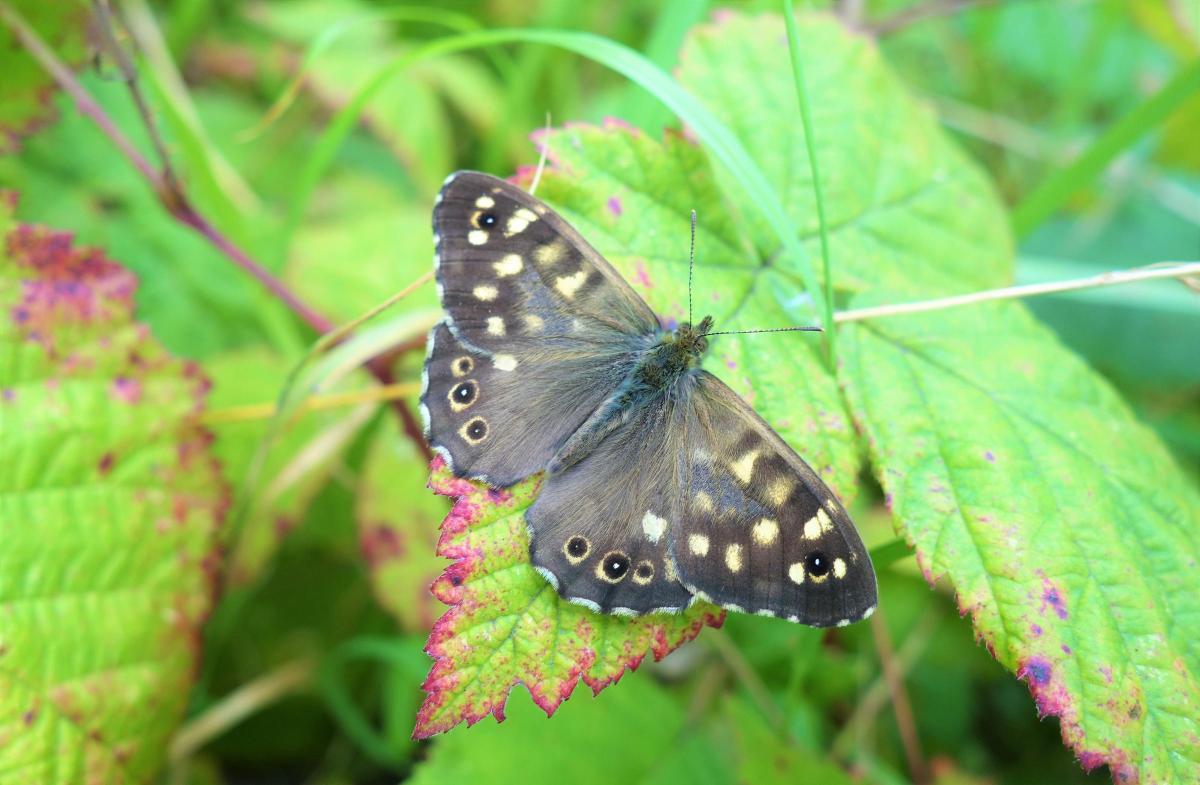
This was a speckled wood, a real beauty of a butterfly that is characterised by a fast and determined flight, almost as if it has a sense of purpose as to where it was heading.
As the butterfly disappeared in among a tangle of brambles, I pondered upon the fact that if I had ventured to this very same spot in the Wee County several years ago, there would have been little chance of seeing a speckled wood because only recently has this species spread its wings to colonise new areas of eastern and central Scotland.

Around 50 years ago the speckled wood was confined in small numbers to the west coast and around Inverness.
Since then, the population has expanded rapidly and now it is found widely, including throughout Clackmannanshire.
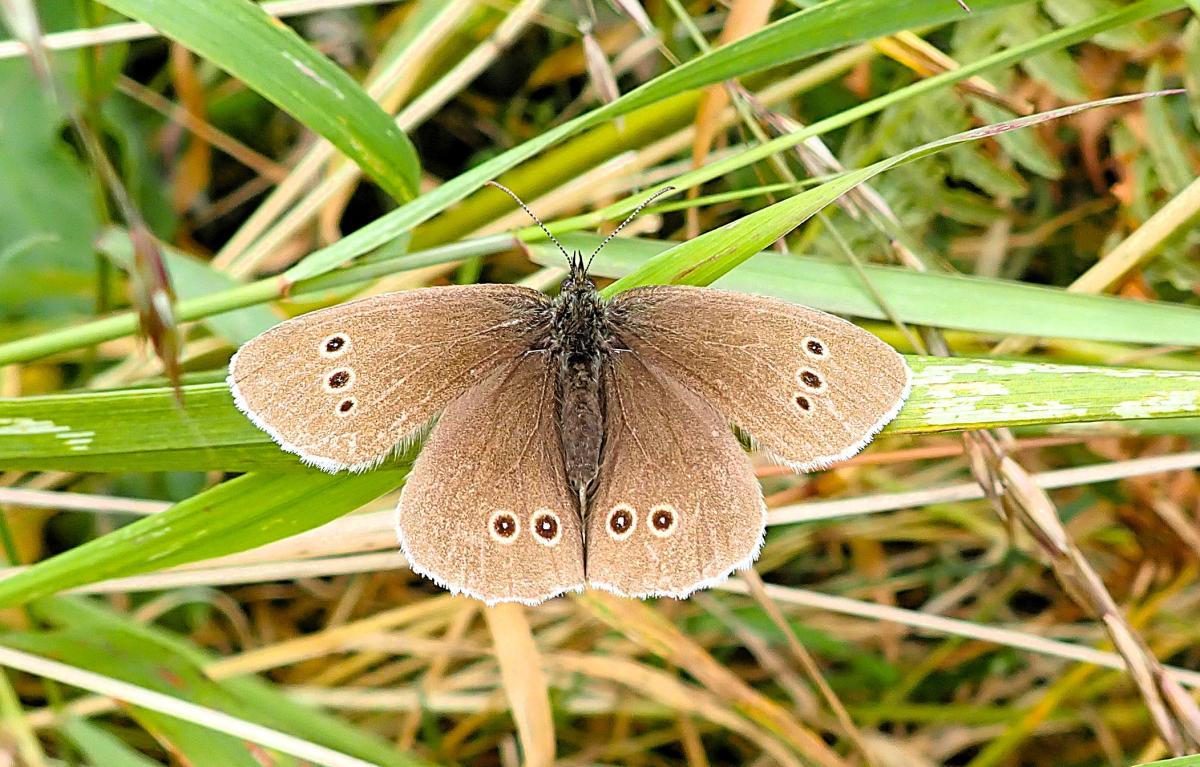
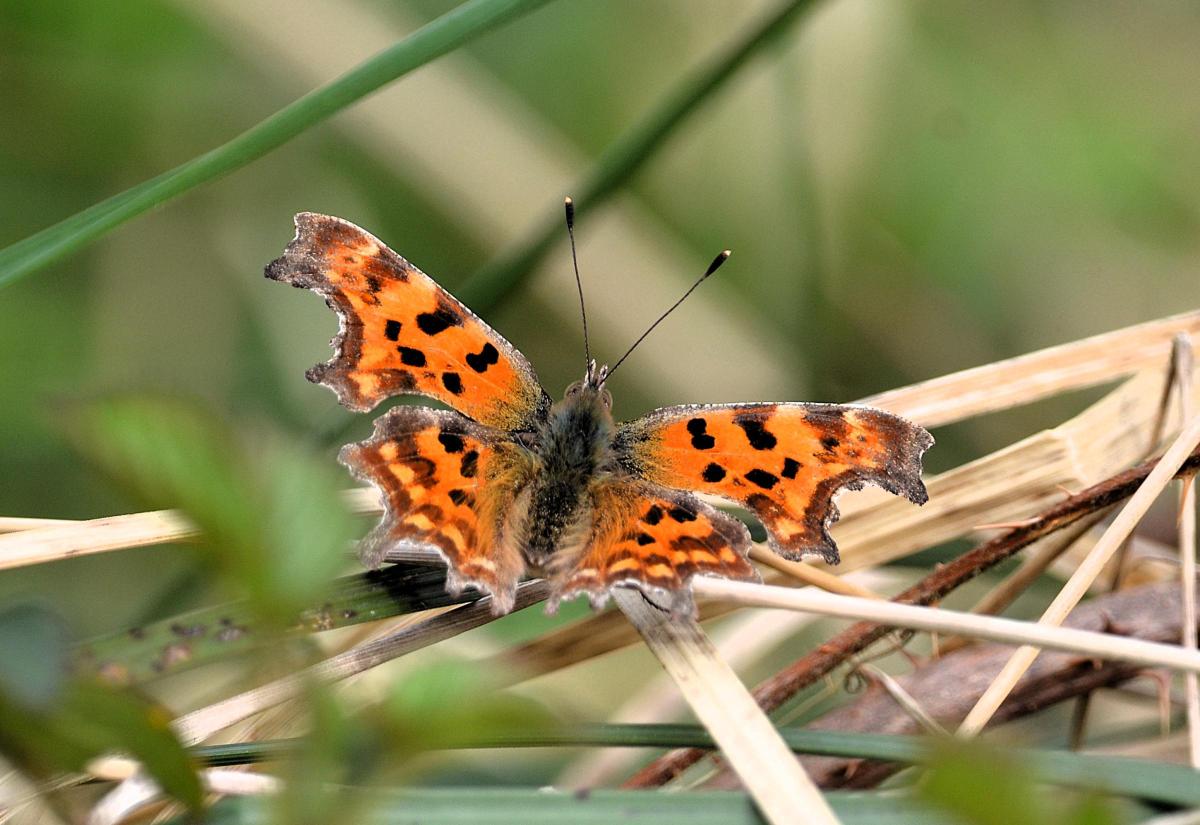
This population explosion in speckled woods has been put down to climate change, and some other butterfly species also appear to be benefiting from global warming, including ringlet, orange-tip, comma and holly blue.
Sadly, these are the exceptions, and according to the UK Butterfly Monitoring Scheme, more than half of butterfly species in the UK are now in long-term decline.

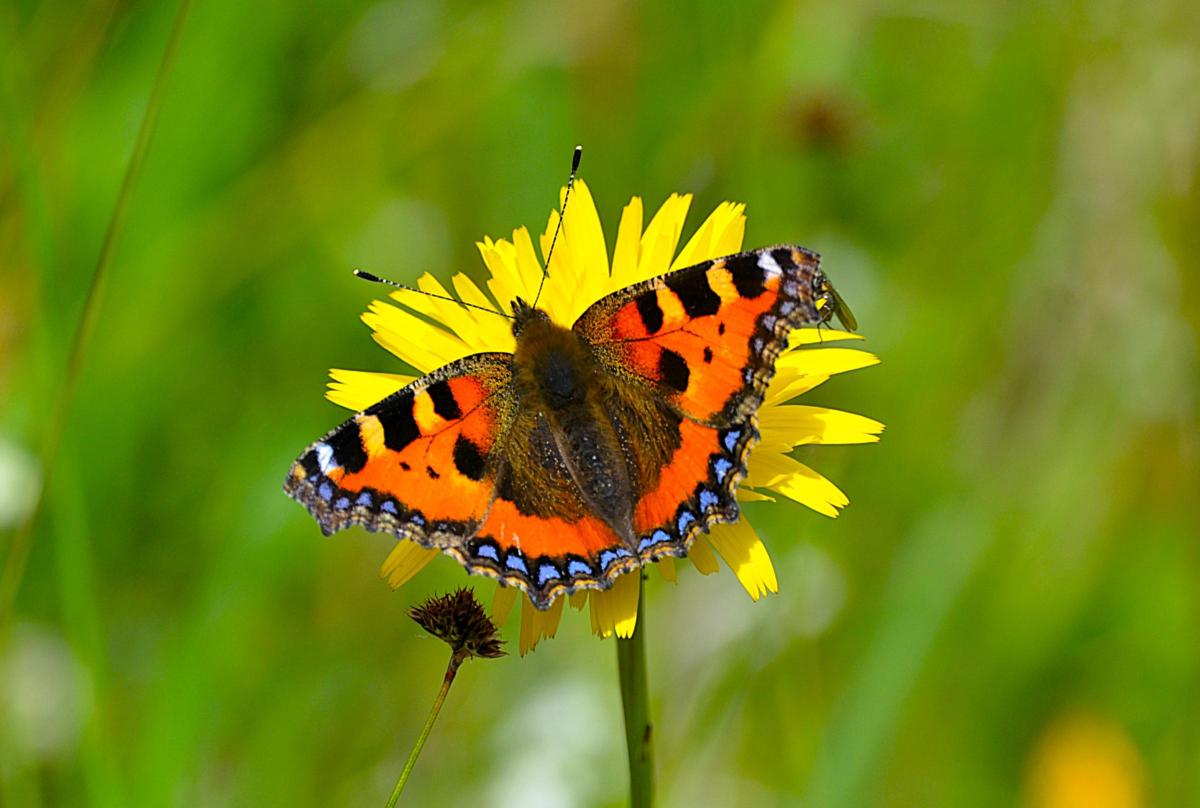
One of these is the small tortoiseshell, an exquisite creation comprising intricately patterned wings splashed with orange, buff, brown, black and white, finished-off with little blue dots along the trailing edges.
When I was a child, this was probably among the commonest of our butterflies likely to be encountered, but they are now much less prevalent.
This species hibernates as an adult and their decline may be due to poorer overwinter survival in warmer and wetter winters.
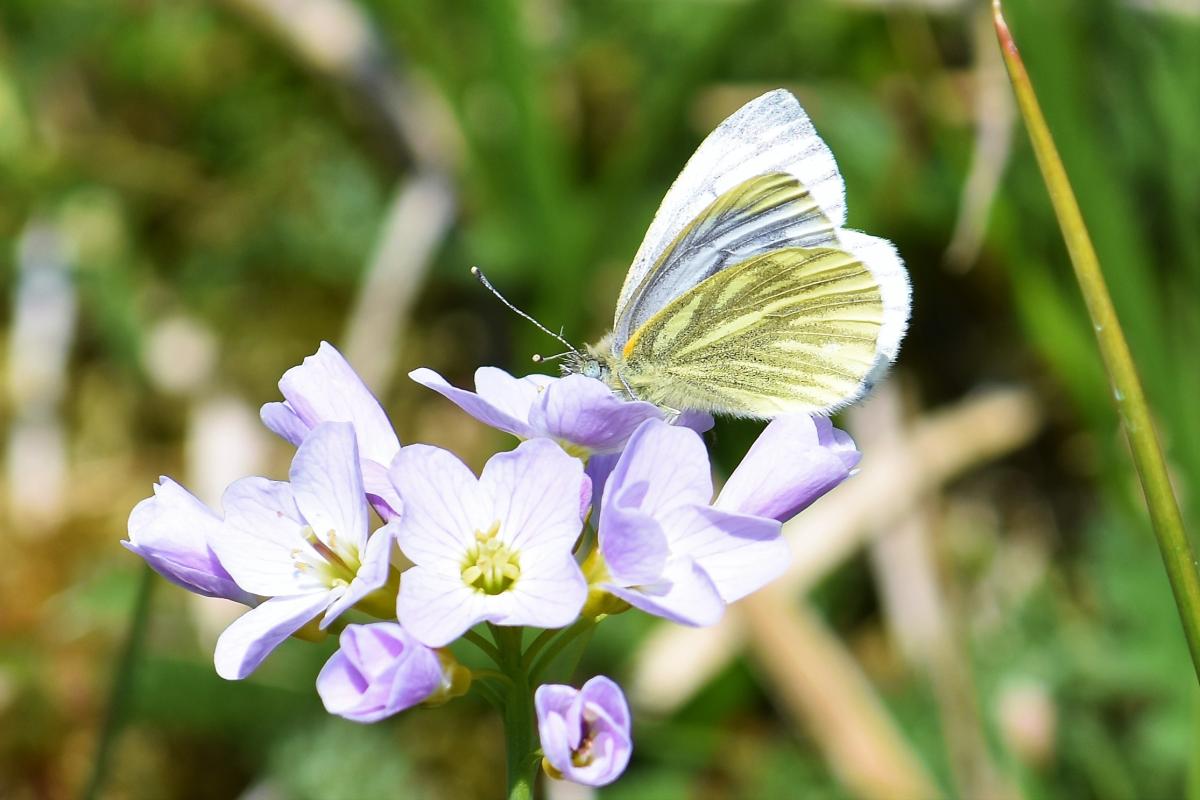
Another familiar species – the green-veined white – is also experiencing a fall in numbers.

So, while some butterflies are benefiting from climate change, many others are not, or are suffering from other environmental impacts such as habitat loss, the widespread use of pesticides and urban development.
In summers of poor weather, these already depleted butterfly populations suffer even more.

Butterflies are an essential part of our ecosystem and their prominence makes them valuable indicator species as to the health of the wider environment.
As such, when our precious butterflies start to decline, the alarm bells should start ringing for it means other types of fauna and flora are likely to be suffering too.


Share