


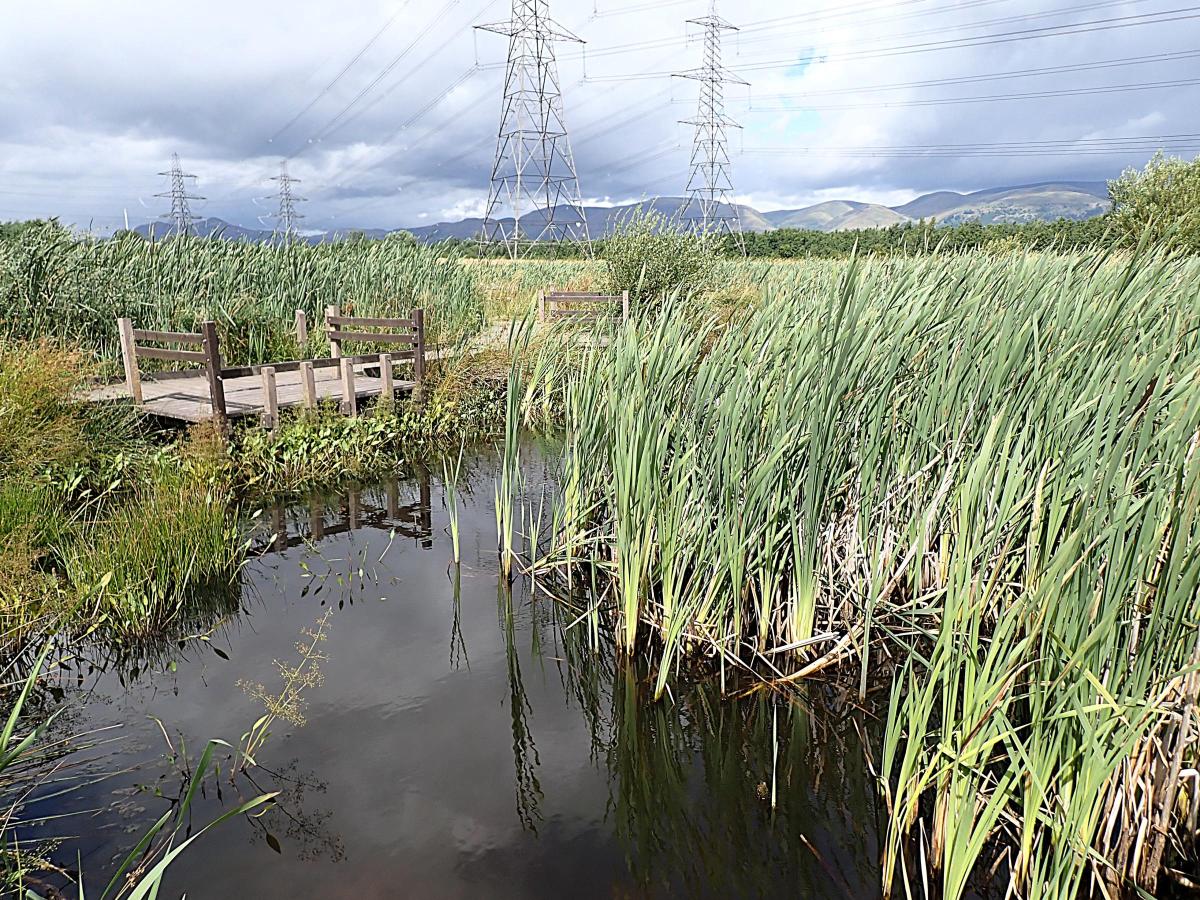

It was great to see on a recent visit to the Black Devon Wetlands that ongoing conservation work at this RSPB reserve by Alloa is benefiting wildlife.
The RSPB says that supported by the Hawkhill community through the Climate Forth-supported Local Resilience Plan, and with Scottish Government funding, work has focused on improving conditions for wildlife and visitors.

Around the viewing screen, dense bulrush has been cleared to open sightlines and encourage wildlife closer to view, while newly created islands out on the main body of water provide valuable nesting and roosting areas.
These developments build on several years of habitat work, with encouraging results that has already seen the return of breeding lapwing and redshanks. Beaver signs have also been recorded.

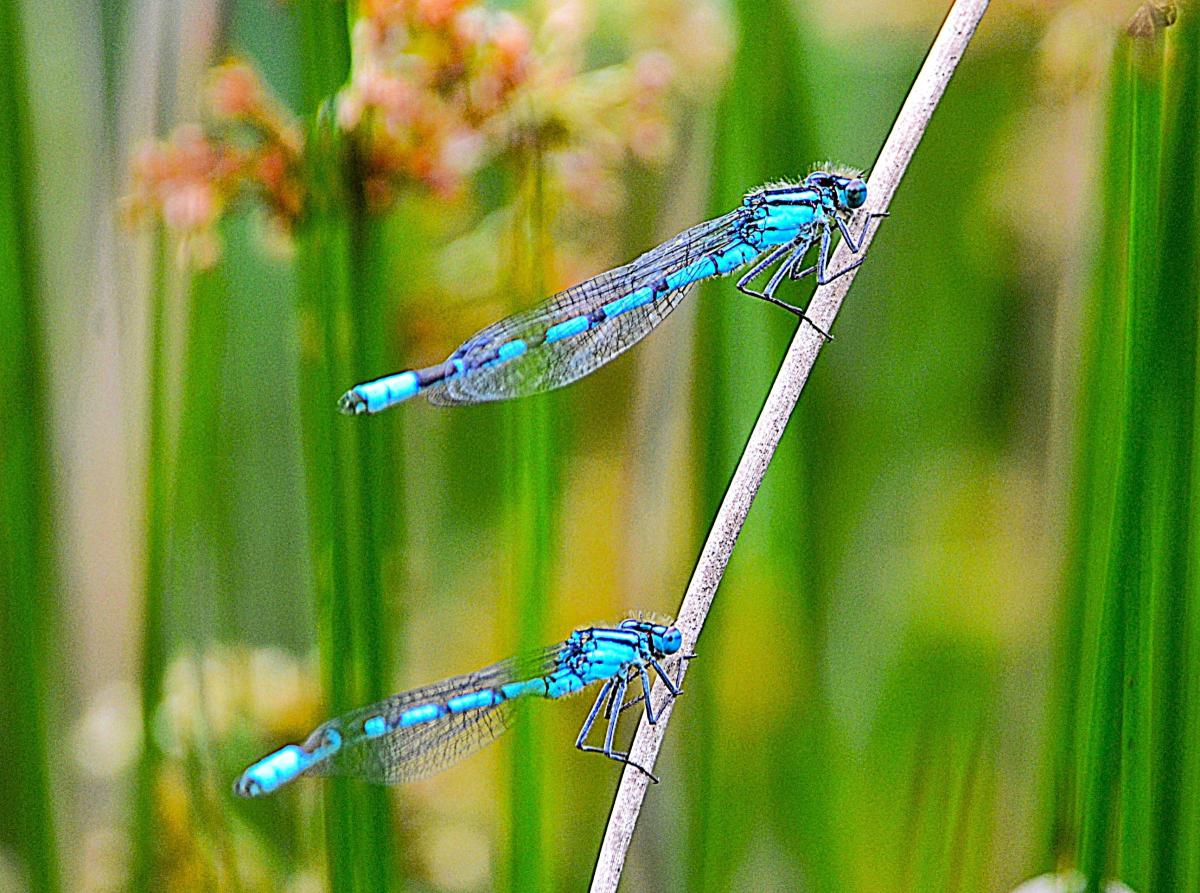
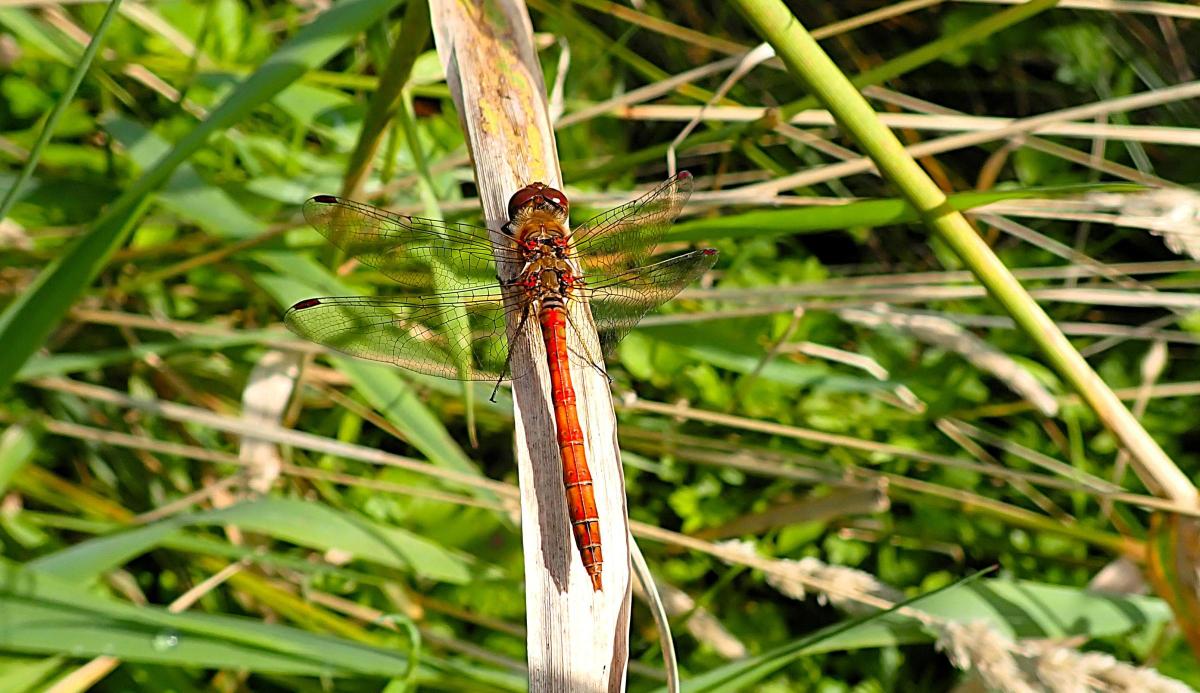
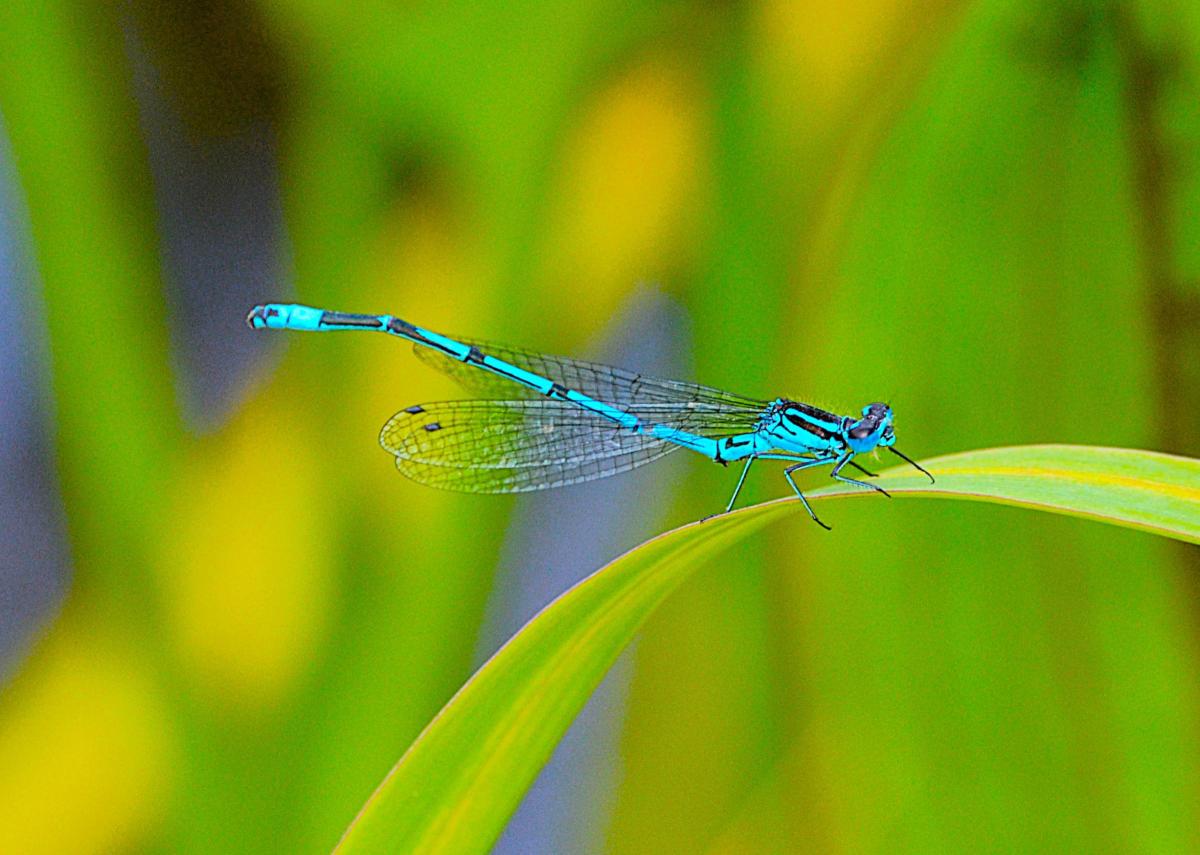
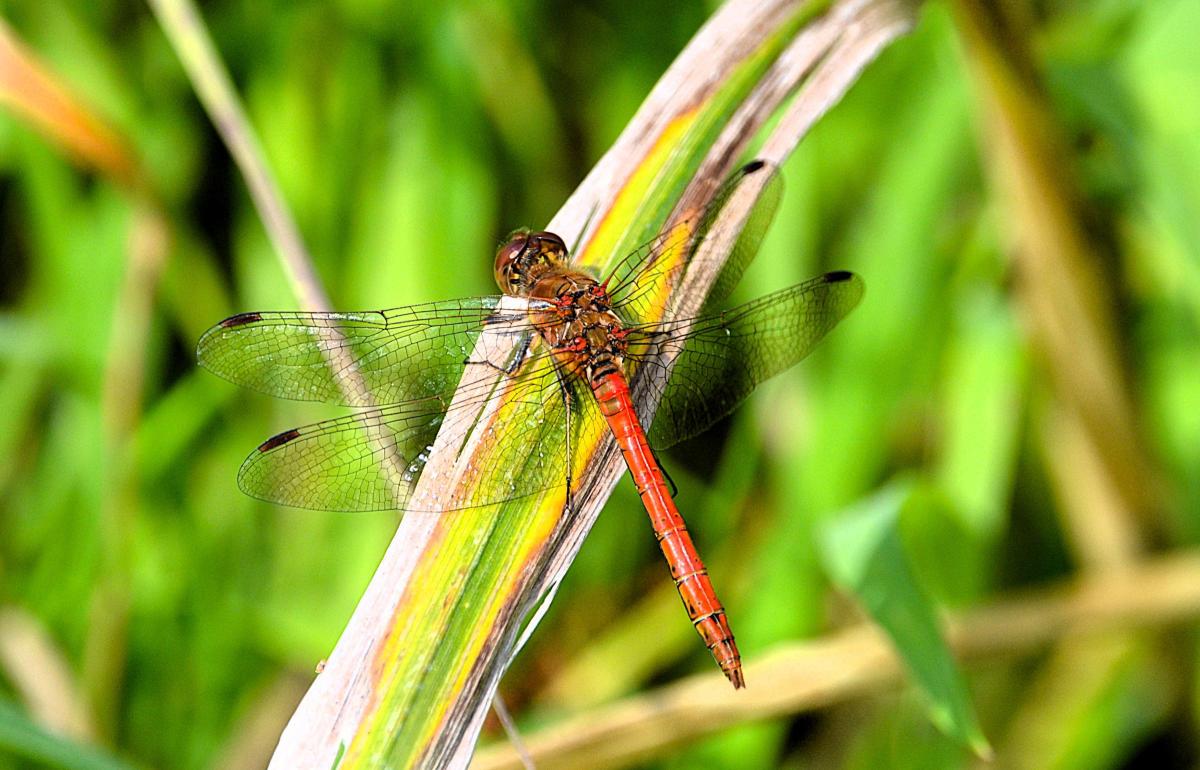
One of my favourite parts of the reserve are the shallow ponds that are easily viewed from a boardwalk. On my recent visit, common darter dragonflies and common blue damselflies flitted low over the water, delivering dazzling colour.
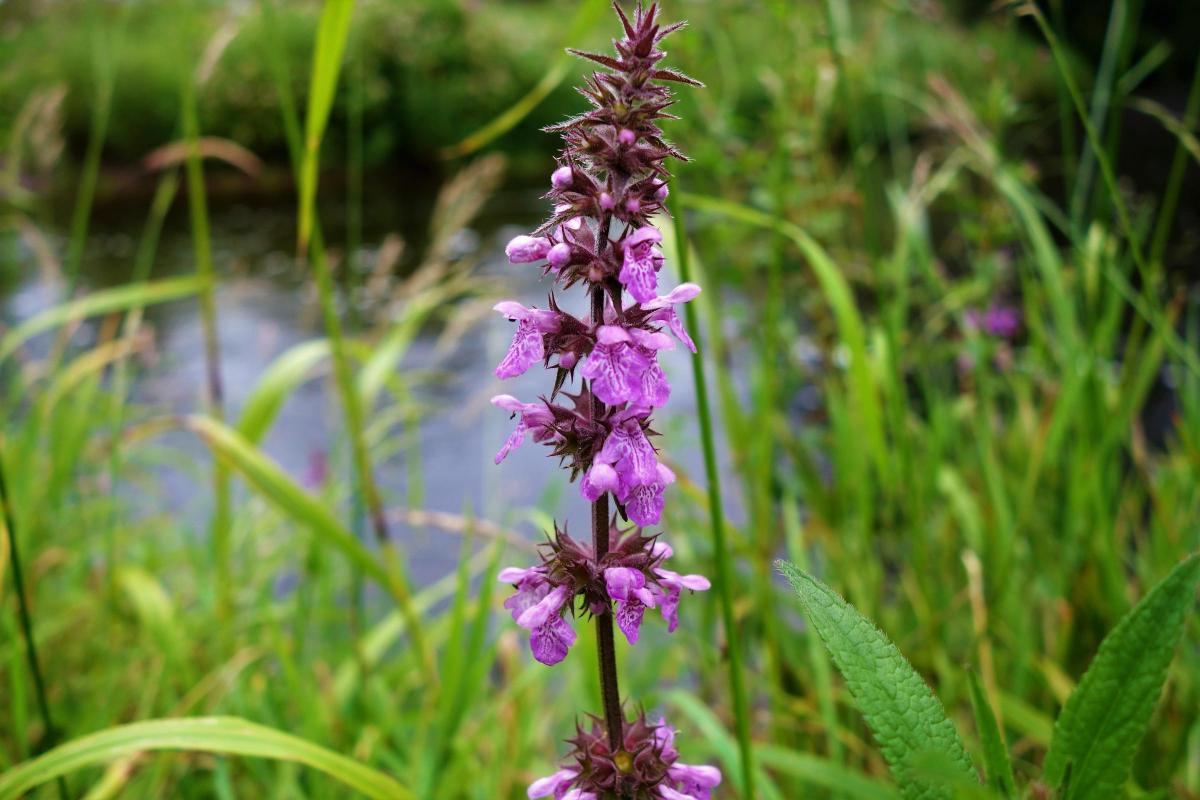
A red-tailed bumblebee also caught my eye and the water edges were brightened by the purple blooms of marsh woundwort.
The male common darter is a most handsome creature with his bright red body and the paired, transparent wings intricately inscribed with tiny black veins. The alien-like eyes are large, offering excellent all-round vision so that he can track and catch his insect prey in the air.

They are ambush predators, sitting on a reed or other prominent look-out post, before swooping in a fast and direct flight to pluck their prey out of the air, much in the same way as a sparrowhawk might catch a chaffinch.
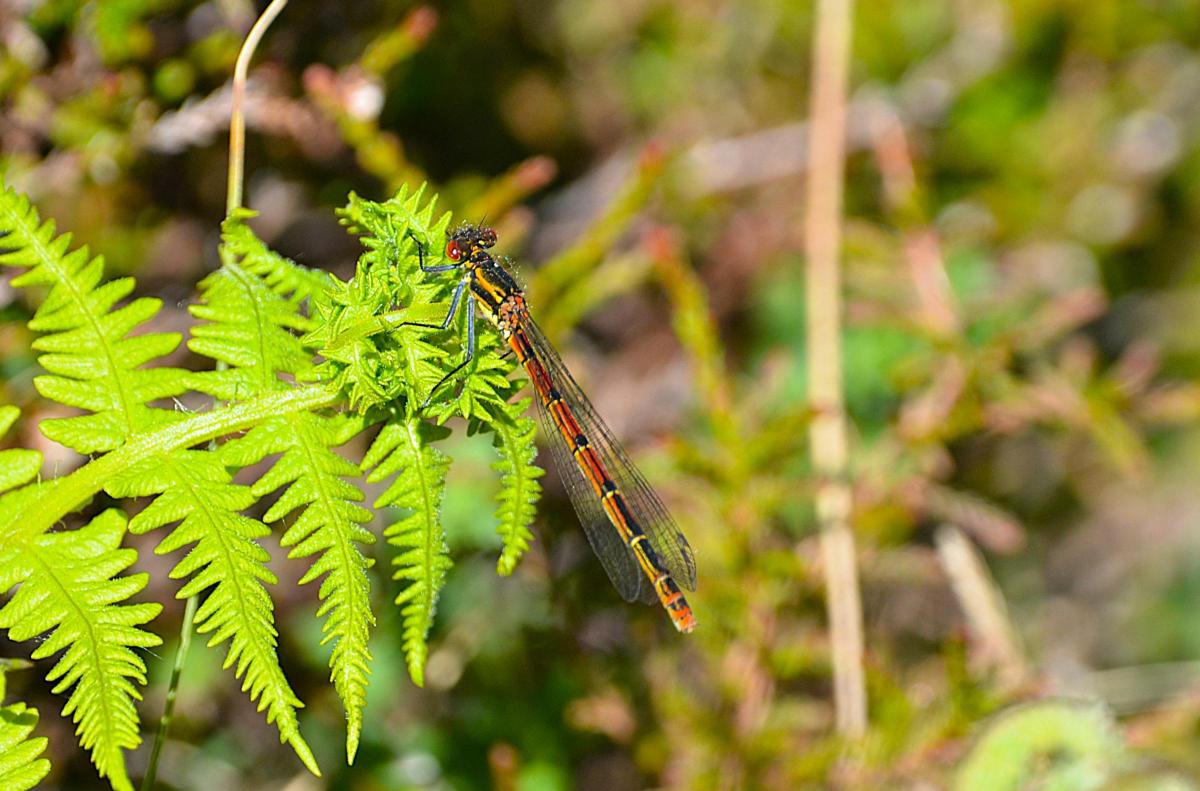
Dragonflies and damselflies look similar, but damselflies are smaller and thinner and have a weaker flight and generally hold their wings together when resting. Dragonflies on the other hand are more readily identified by their rigidly outstretched wings and large compound eyes.

Their two-paired wing arrangement ensures amazing agility and they can manoeuvre like an attack helicopter by flying sideways and even backwards, as well as being capable of sudden forward surges of speed. It is this superlative aerial ability that makes dragonflies such deadly winged predators.

Damselflies, too, are hunters of small insects, and the two types most commonly encountered in the Wee County – the large red and the common blue - have a shimmering iridescence that is quite simply mind-blowing.
The fortunes of our precious dragonflies and damselflies depend upon the availability of suitable habitat such as that found on the Black Devon Wetlands.

These amazing insects generally prefer still freshwater areas and the conservation and enhancement of these areas not only benefits dragonflies but also a whole host of other fauna and flora.


Share