


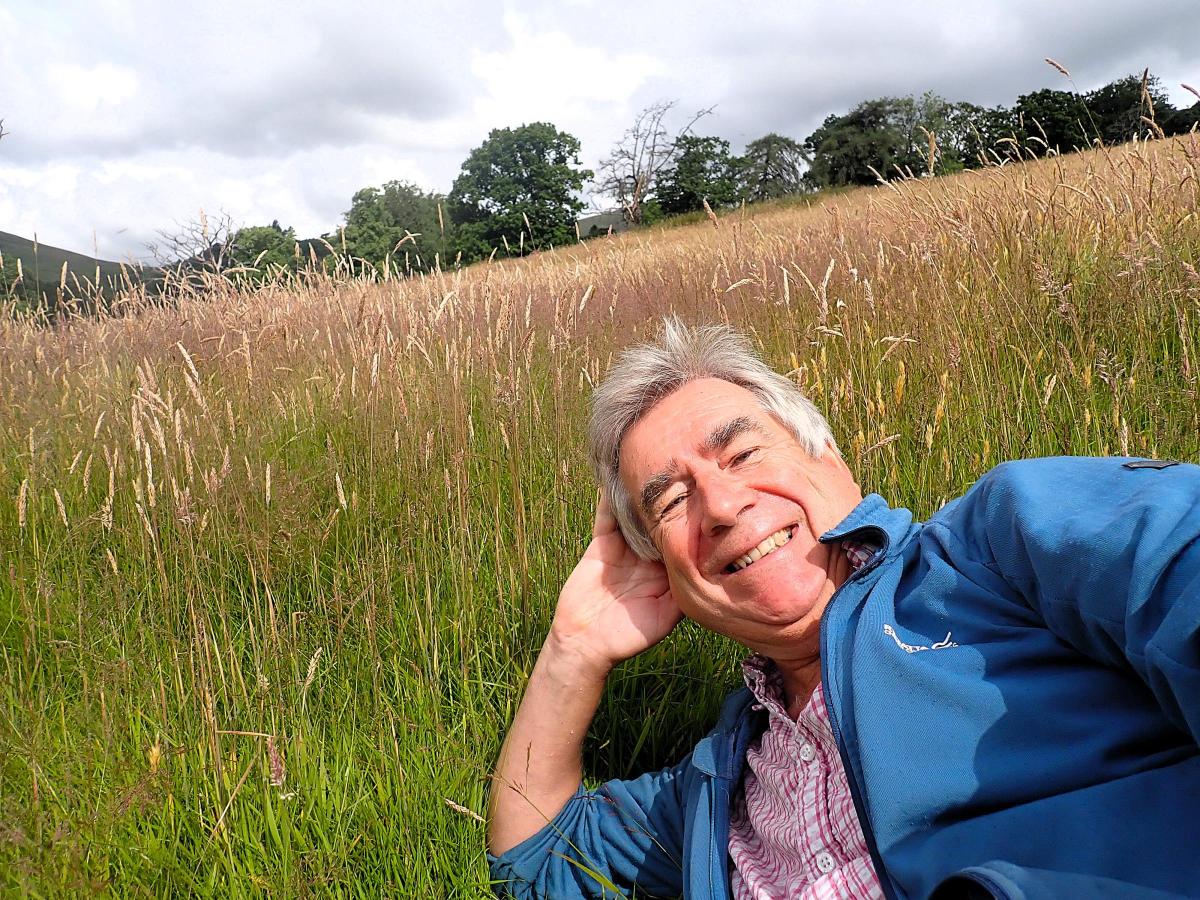
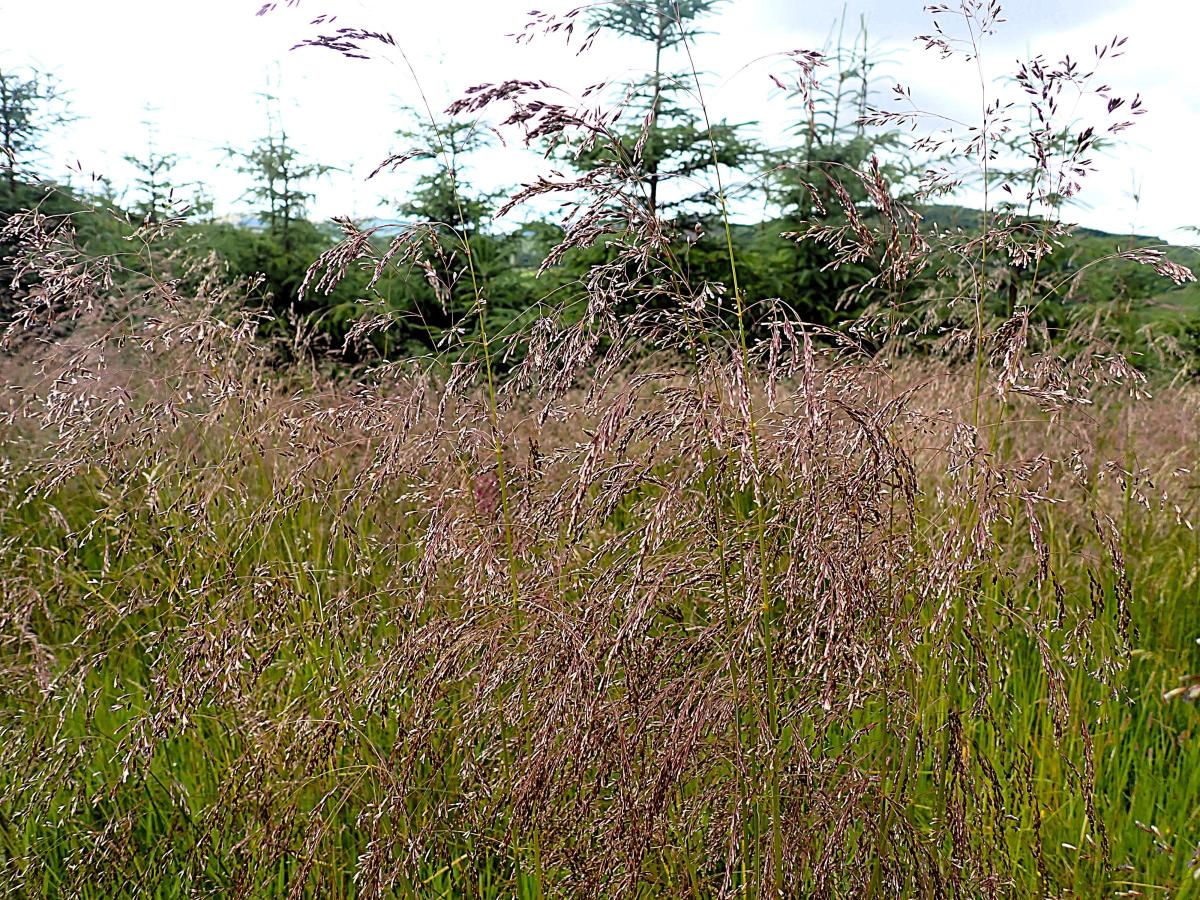

It was a warm and sunny day, and while sitting in this rough pasture between Dollar and Muckhart, the abundant wild grasses began to bewitch me with their infinite beauty.
Not only were they exquisite in their shape and form, but their names also rolled deliciously off the tongue – fescues, bents, and Yorkshire fog to name but a few.
Grass is so ubiquitous that we tend to take it for granted as an integral part of the landscape, yet they represent among our most ecologically important organisms of them all.

And there is a truism there, for grasses are the environment, found in abundance from the equator to the poles and prospering everywhere we look.
Grass is the core foodstuff for a huge variety of creatures – and, of course, the foundation stone of our agriculture, whether to provide grazing for livestock or grain for our daily bread.
Without grasses, nature and humanity are nothing, an empty vessel devoid of hope or meaning.
Bizarrely, perhaps, grasses are seldom remarked upon in nature writing, probably because they lack the powerful and impactful blooms of wildflowers.

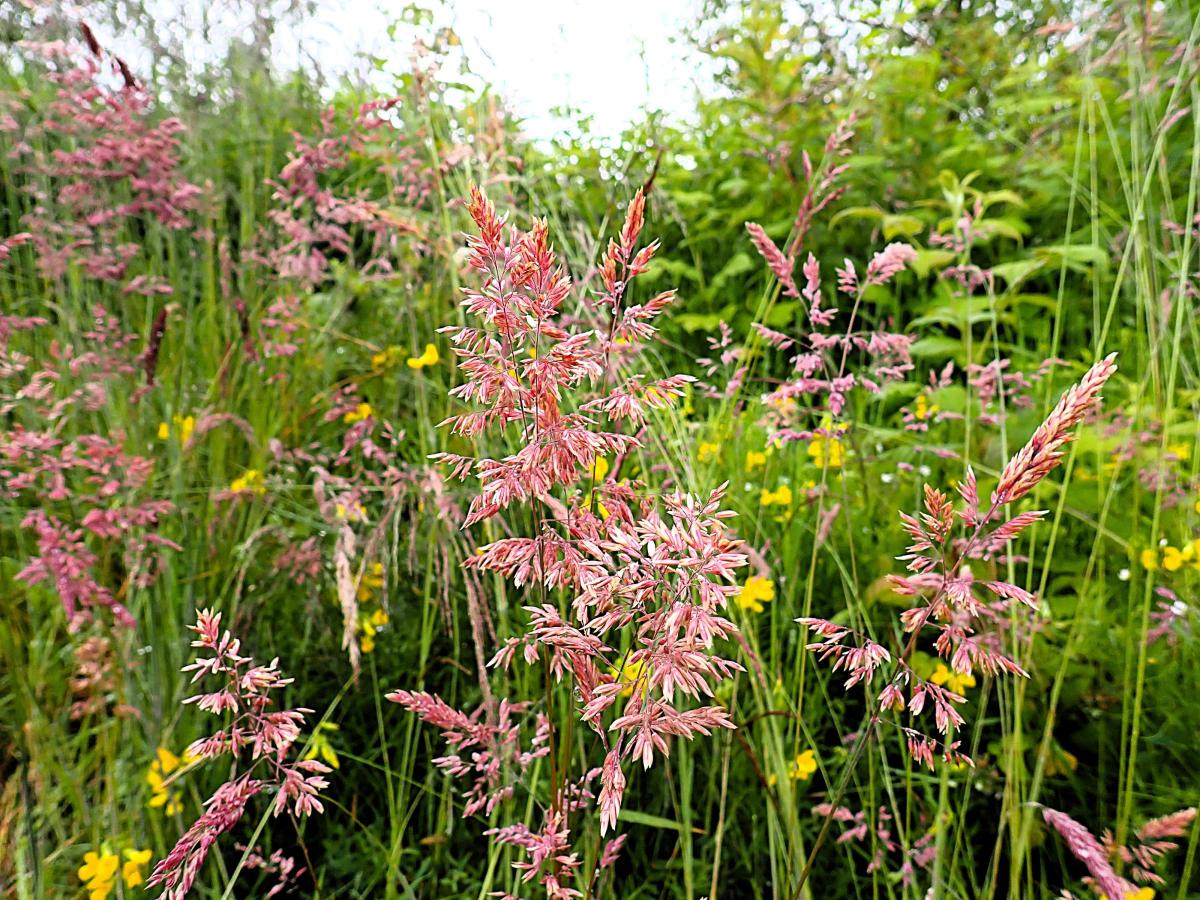
But grasses are as beautiful as any flower, and in this Clackmannanshire hill pasture, vast drifts of the delightfully named Yorkshire fog grass swayed in the breeze like a rippling sea.
Although not always immediately obvious to the eye, grasses do have simplified, wind-pollinated flowers that turn into seed heads as the season progresses.
In Yorkshire fog, the flowers are tinged with pink and which often deepen into a deeper pinkish-purple before fading, and when they do so, will transform a pasture into a wonderful pallid hue.
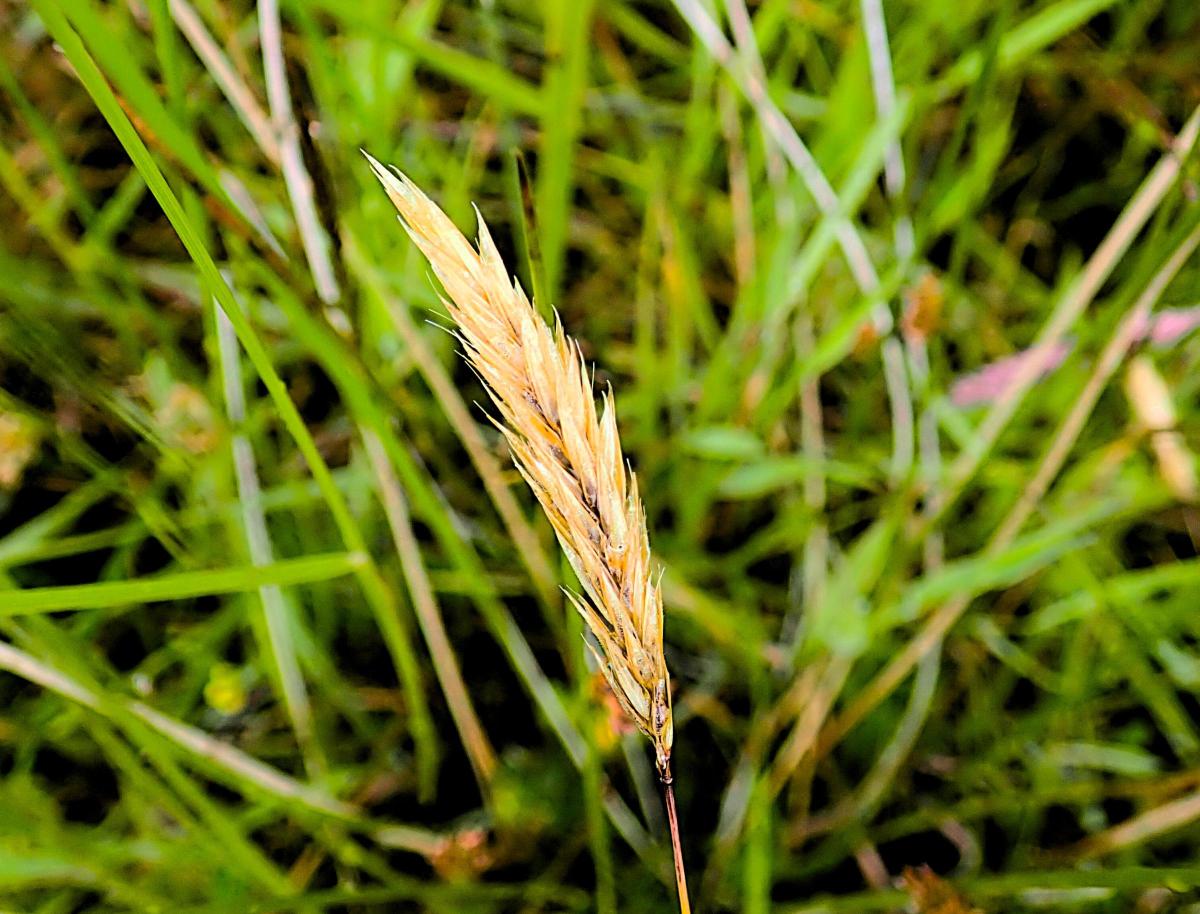
On walking across the pasture, I endeavoured to identify as many species of grass as I could, and it became completely addictive, for the more I looked, the more was revealed, and it was impossible not to become smitten by their sublime beauty.

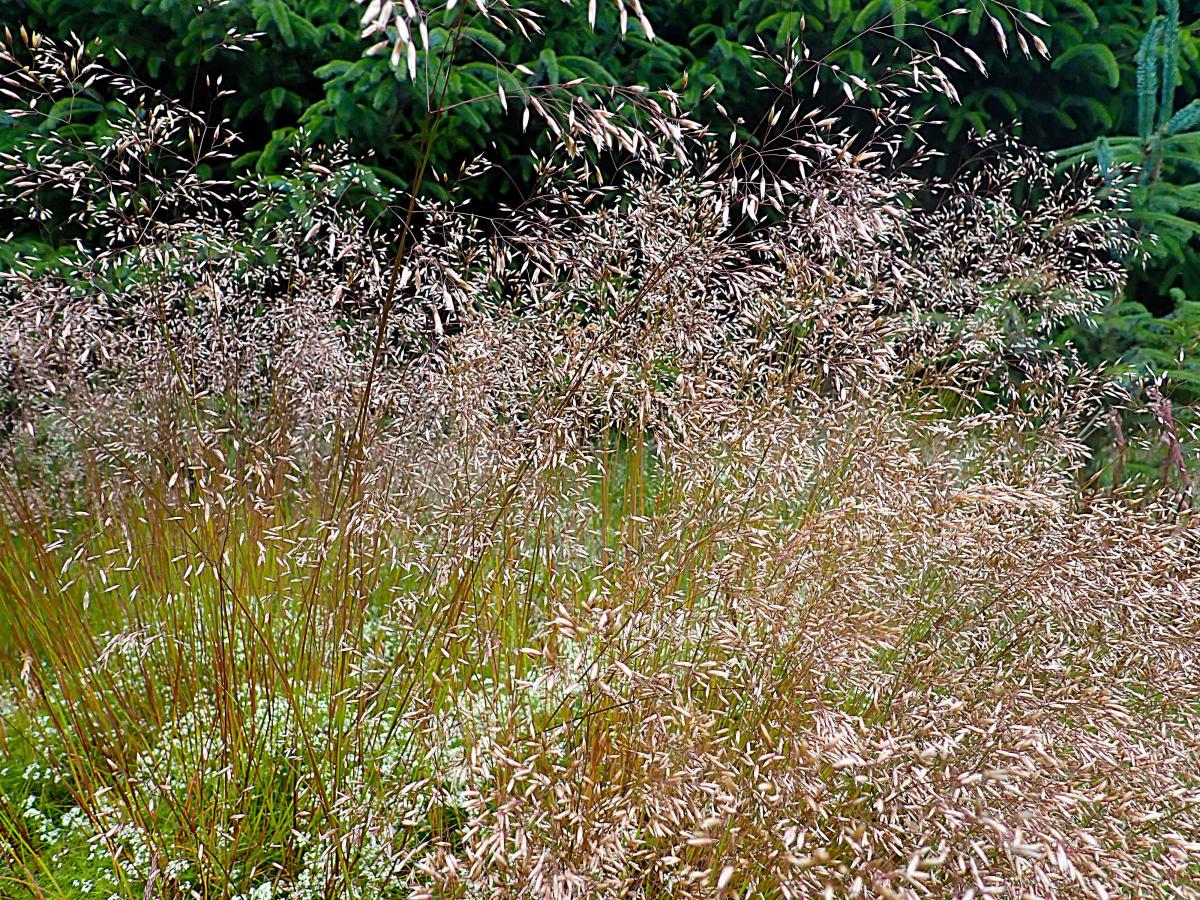
One particularly eye-catching species was wavy hairgrass, with incredibly delicate, shimmering and almost translucent spikes.
Other engaging species were red fescue, sweet vernal grass, common bent and silver hairgrass, each type exhibiting finesse and elegance in their own special way.
I sat on a small, mossy mound surrounded by various grasses and looked upon the rolling countryside opposite, including the tops of the Cleish Hills, Knock Hill and Saline Hill, as well as the much closer woodlands of Sheardale.

A small cricket crawled over one grass blade before disappearing into the thick and green tangled microworld where beetles scurried and lacewings rested. A ringlet butterfly on dark-flashed wings twirled up into the air before quickly settling again.
Field voles would abound in this grassy area, and in the sky above, kestrels and buzzards often soar in anticipation of pouncing upon one.
Grass is a fundamental building block of nature, underpinning so much other life, and helping to deliver the air we breathe and the food we eat.


Share