


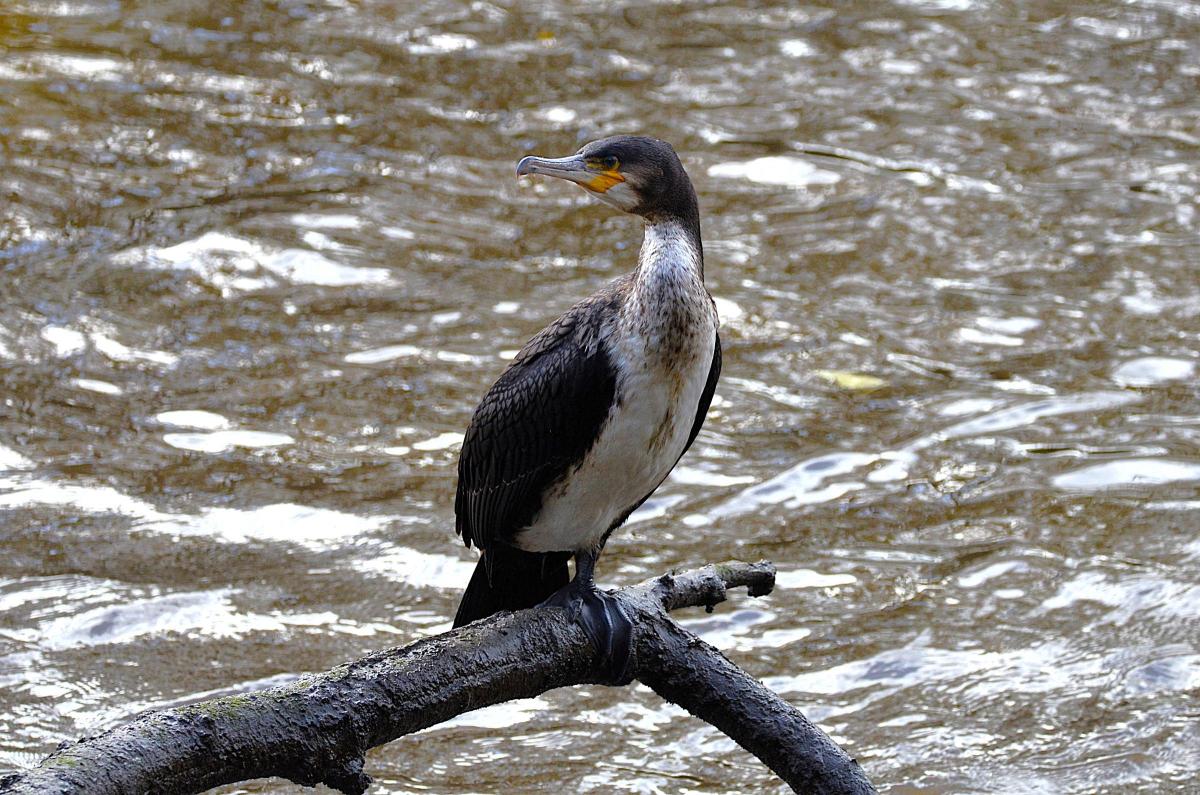

They say beauty lies in the eyes of the beholder, but at first glance even the most gracious would find it a challenge to concede any attractive physical qualities in the cormorant that sat on a tumbled branch in the estuary of the River Devon at Cambus.
When seen silhouetted with wings outstretched like a crucifix against an evening sky, the cormorant’s dark almost pterodactyl-like form borders upon the sinister.
Certainly, the overwhelming blackness of the plumage of the cormorant has resulted in the bird traditionally being associated with evil and greed.
The name ‘cormorant’ dates back to the 14th Century and owes its origin to the Latin for ‘sea raven’ – another bird that has long been treated with suspicion.
In the epic poem Paradise Lost, John Milton portrays Satan himself breaking into Paradise and sitting on the Tree of Life ‘like a cormorant’, and Shakespeare’s play Richard II refers to the gluttony associated with the bird.
Of course, all the above is errant nonsense, for the cormorant is a normal bird like any other, with its own crucial niche in the ecosystem.
From late summer onwards, a few cormorants start appearing on the River Devon estuary, and in winter they may be found on other stretches of the river further upstream.

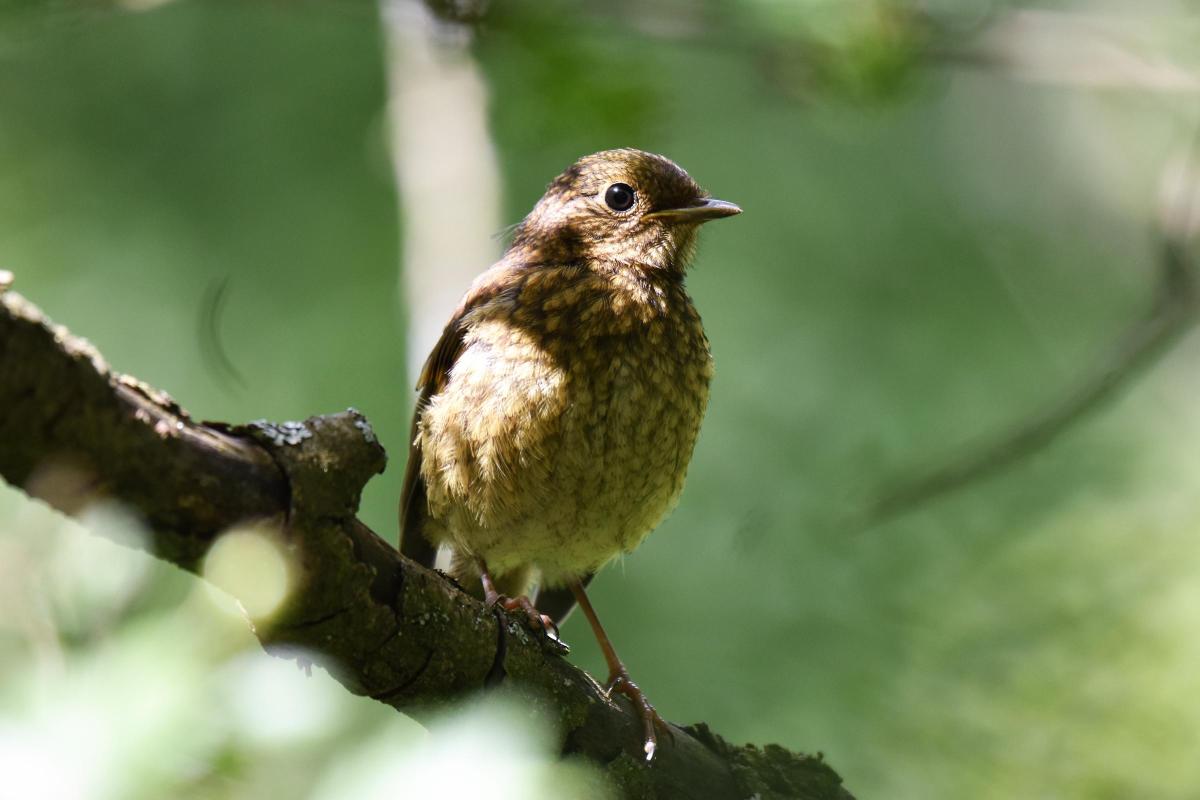
As I wandered further along the track by the river, a young robin fluttered in amongst a tangle of brambles.
Only a few weeks previously it had been a vulnerable, naked and blind chick cradled in a well-hidden nest, yet in a miraculous transformation it was now a fully-fledged independent bird, its every movement and quirk of behaviour guided by the wired-in genetics of evolution.
Robins seem to have had a very successful breeding season in the Wee County this year and they are everywhere, including in forestry plantations in the Ochils. The robin is one of the few birds that can sing in any month of the year.

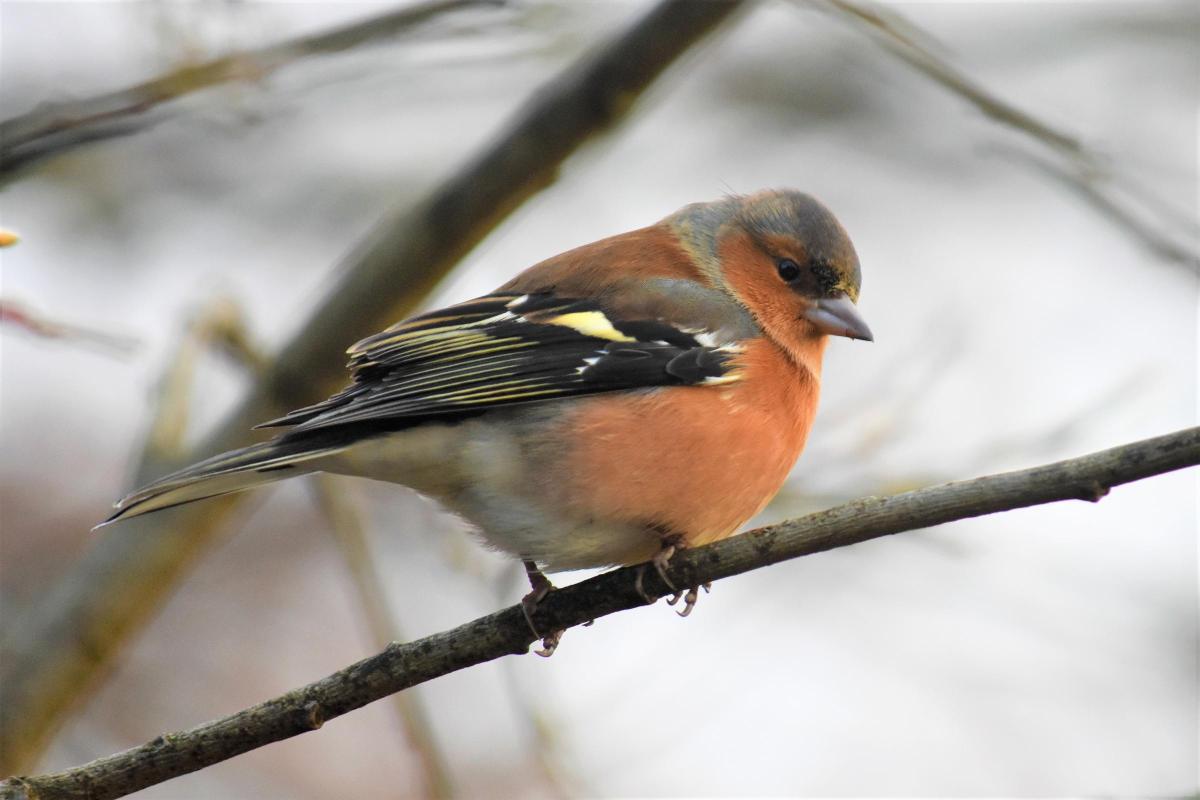
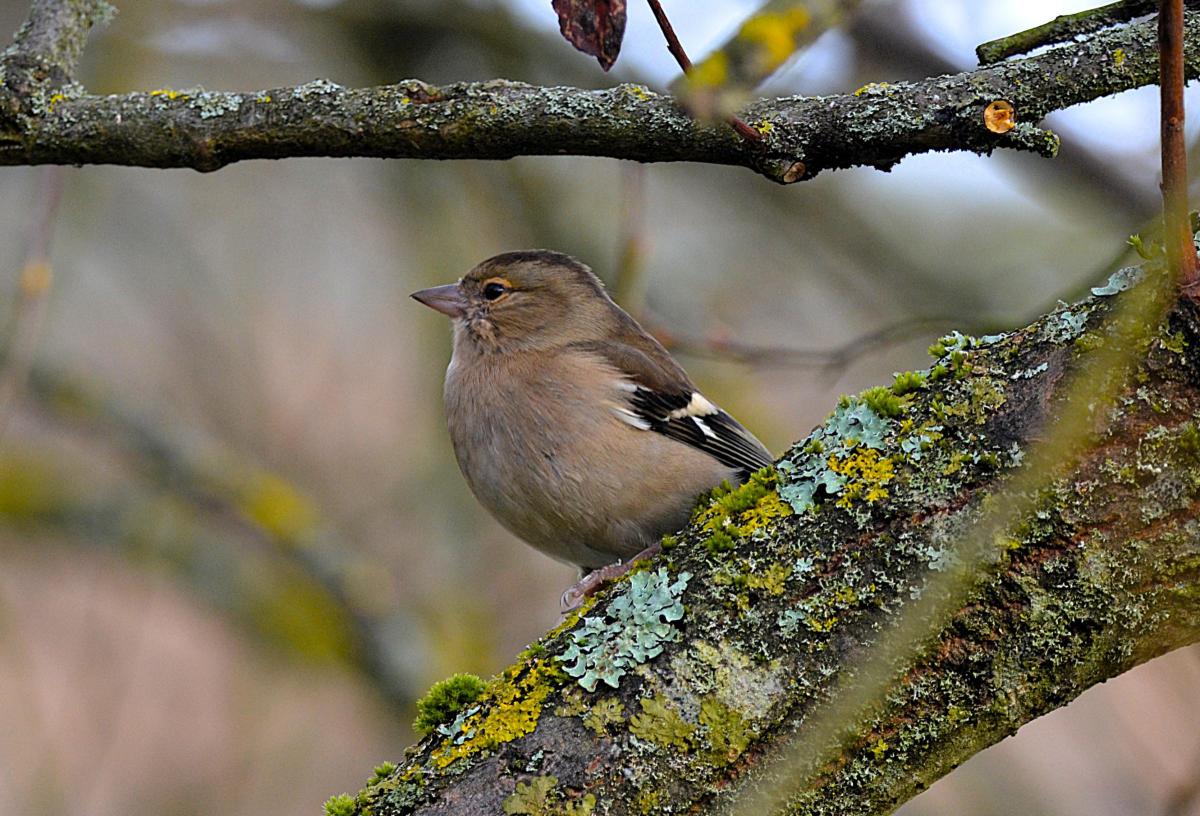
There were also several chaffinches about in the trees by the track edge. I recall when a child finding a chaffinch nest cradled in the fork of a small tree and became instantly smitten by its intricate structure, expertly woven with mosses, lichens and spider webs to create a warm and comforting cup to hold the precious pink-blotched eggs.

For me, it was a miraculous discovery, the stuff from which dreams are made and the memory of which has remained firmly engrained upon my mind ever since.
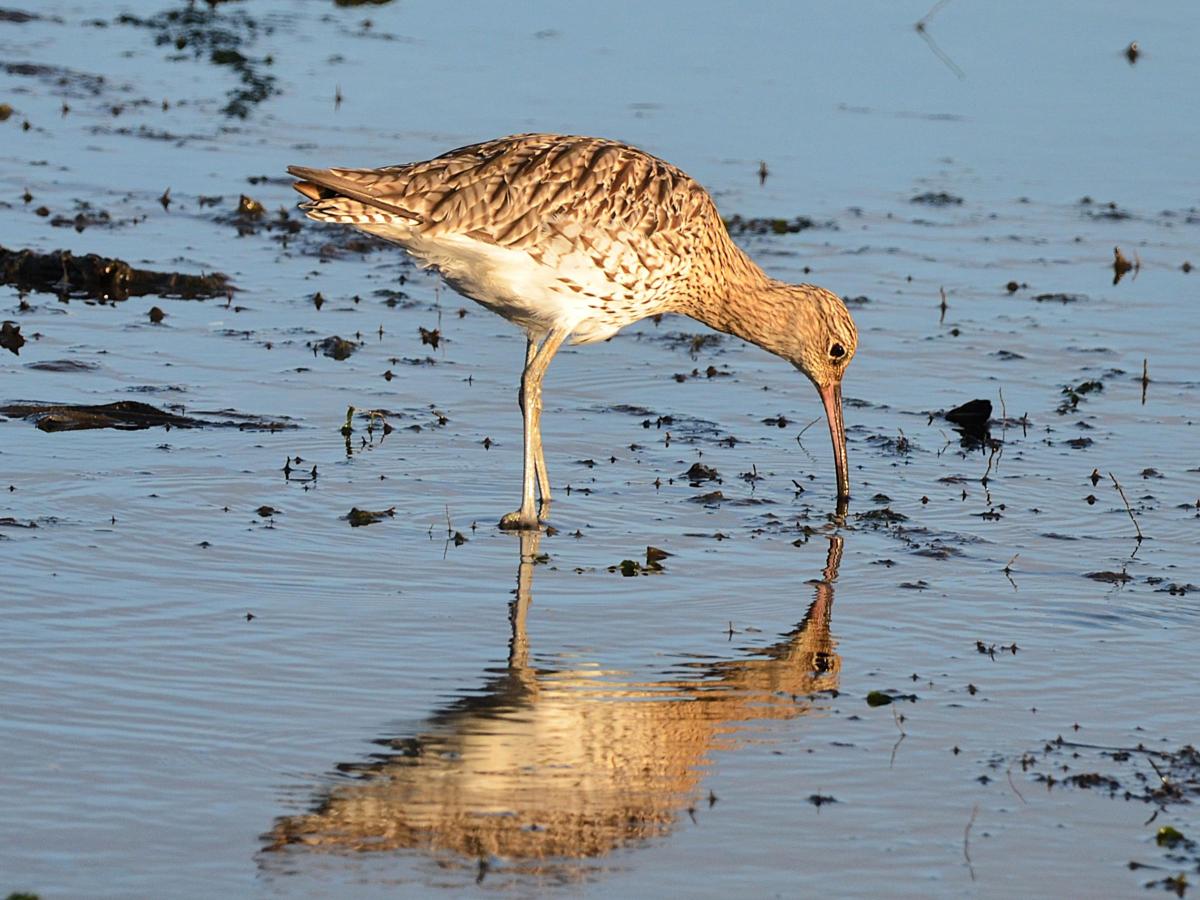
On reaching the estuary mouth, the burbling call of a curlew floated across the air.
The song of the curlew is so haunting and liquid in quality that the mind drifts seamlessly between ecstasy and melancholy, both dramatic and soothing yet always inspiring.

Gordon Knight in the poem ‘To Whom the Curlews Call’ wrote: ‘Twice daily calls the tide/Up valleys where the sea clouds ride/To where high meadows touch the sky/And wild curlews cry’.
Also known as the whaup in Scotland, the curlew has captivated poets for generations, and here on the inner Forth by Cambus, its liquid call had delivered a magical serenity to this wonderfully wild corner of Clackmannanshire.


Share