



I was in the twilight zone, the period of transition between summer and autumn, and as I made my way along the narrow path in woodland near Coalsnaughton, the first signs of the change in the seasons were all around.
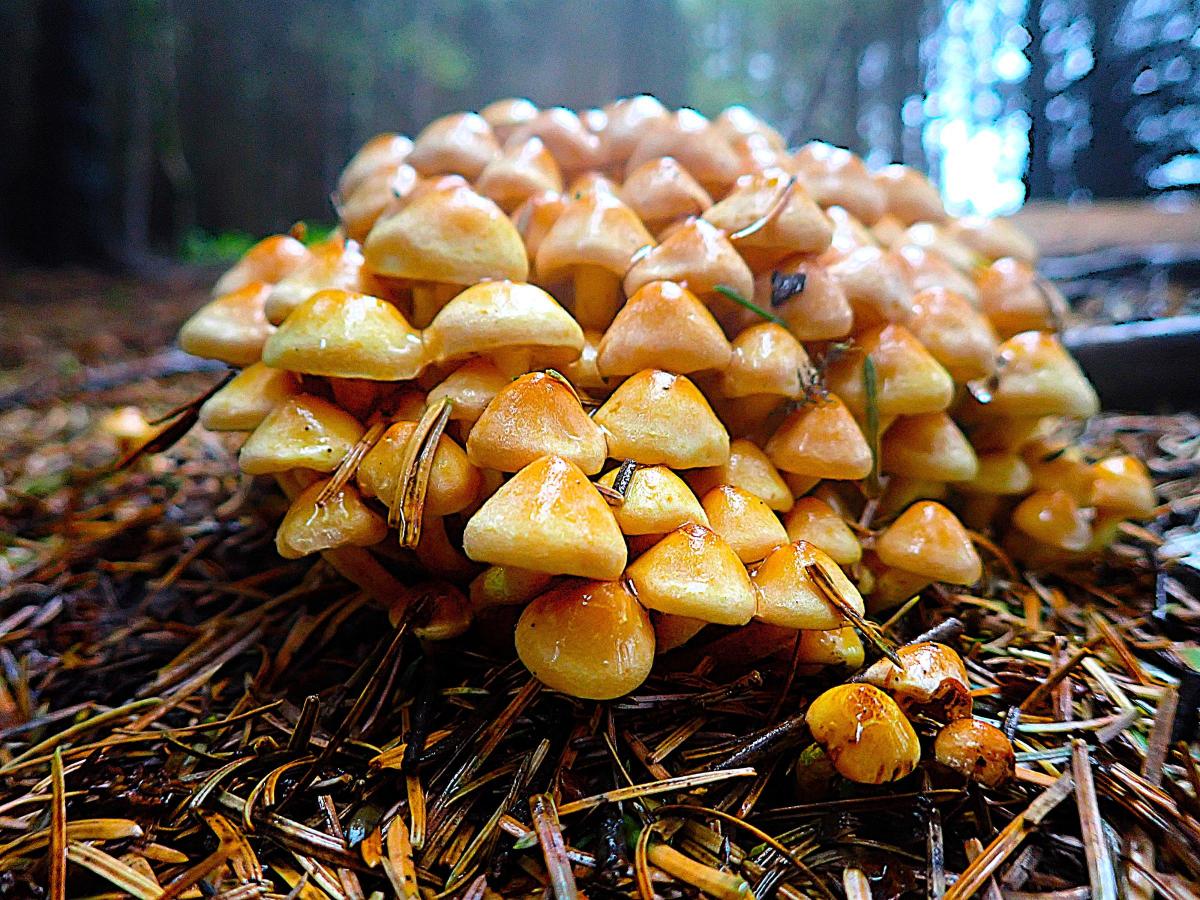
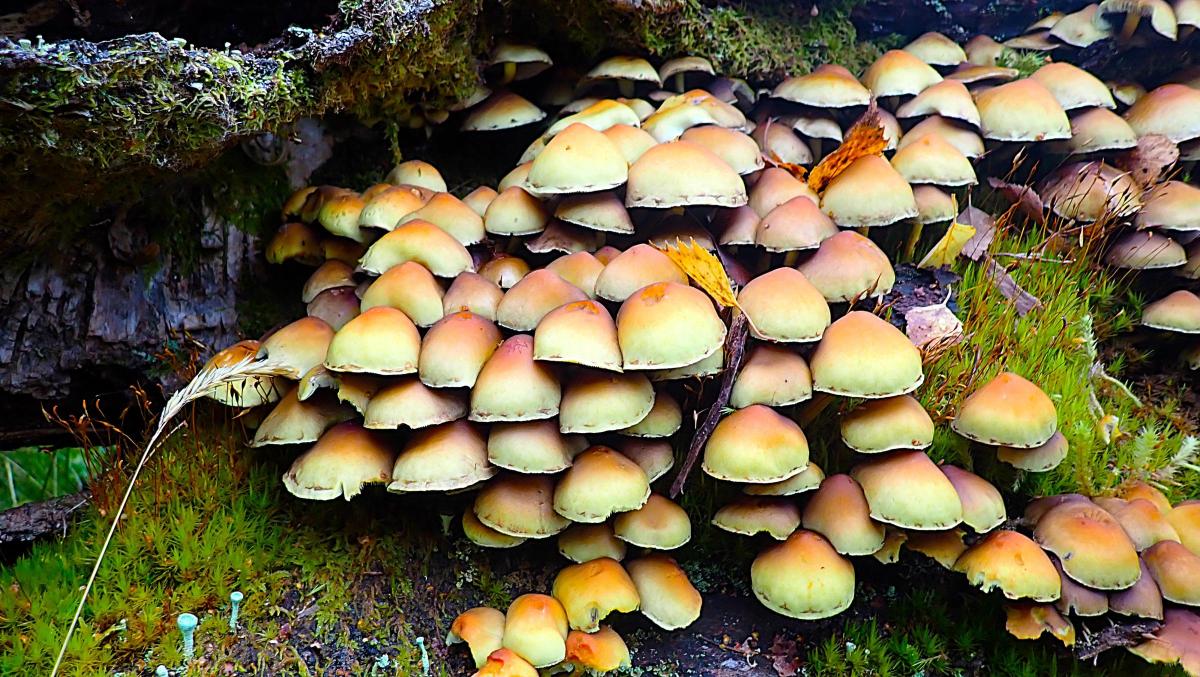
By the base of rotten tree stump, an orange-glowed cluster of sulphur tuft toadstools shone-out like little autumnal gems of shiny colour.
I could have sworn these fungi were not there the day before, highlighting the speed at which these mysterious organisms grow.

The umbrella caps of toadstools and mushrooms so obvious in autumn are but fleeting whispers in the wind that appear for only a short time.
They are the fruiting bodies designed to produce and distribute spores, and quickly wither once their job is done.
While not visible for most of the year, fungi are still there in the form of hidden mycelium threads and spores, working their quiet magic whether it be in the soil or in decaying wood, or even in the air that we breathe.
Fungi are everywhere, and without them our world would lack heart, for they aid the growth of trees through mutually beneficial relationships, drive organic decomposition, recycle nutrients back into the soil, and touch our lives in so many other diverse ways.

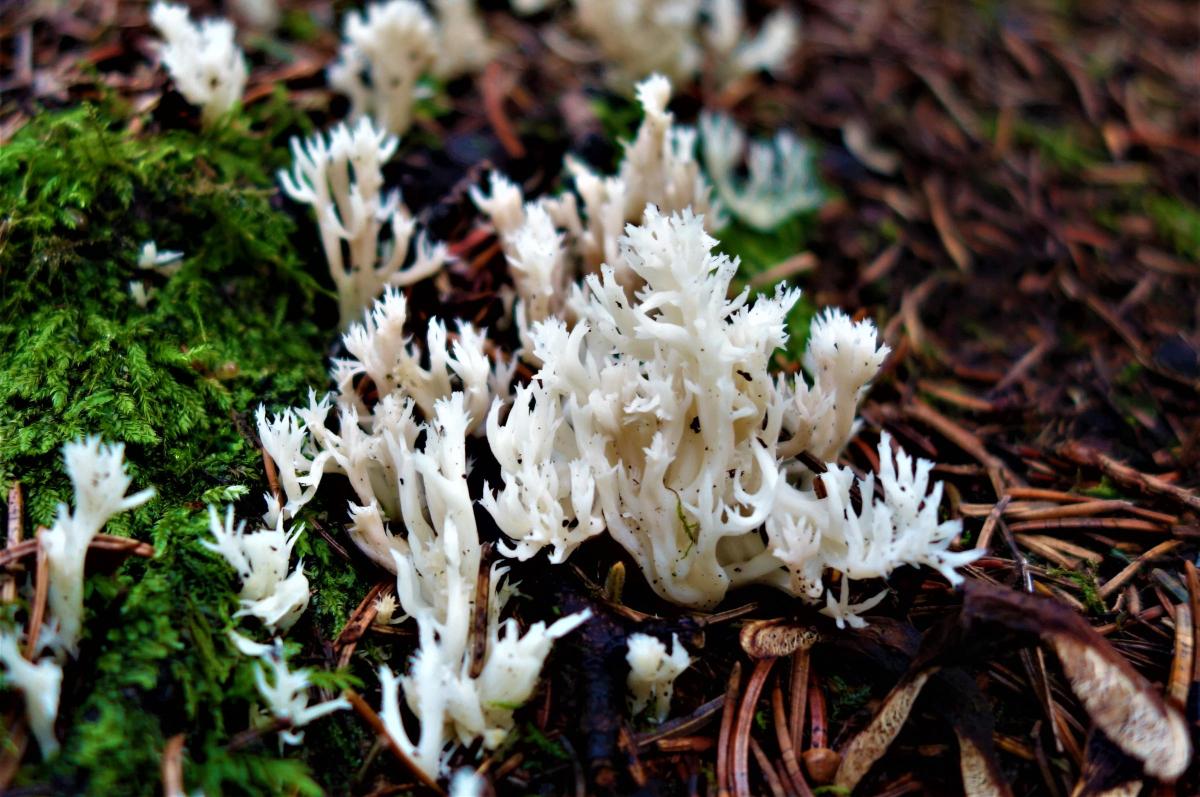
Near the sulphur tufts lay a twisted jagged-dome of coral fungus, a magical creamy creation of little branchlets that bore an uncanny similarity to a lump of marine coral found in our tropical seas.
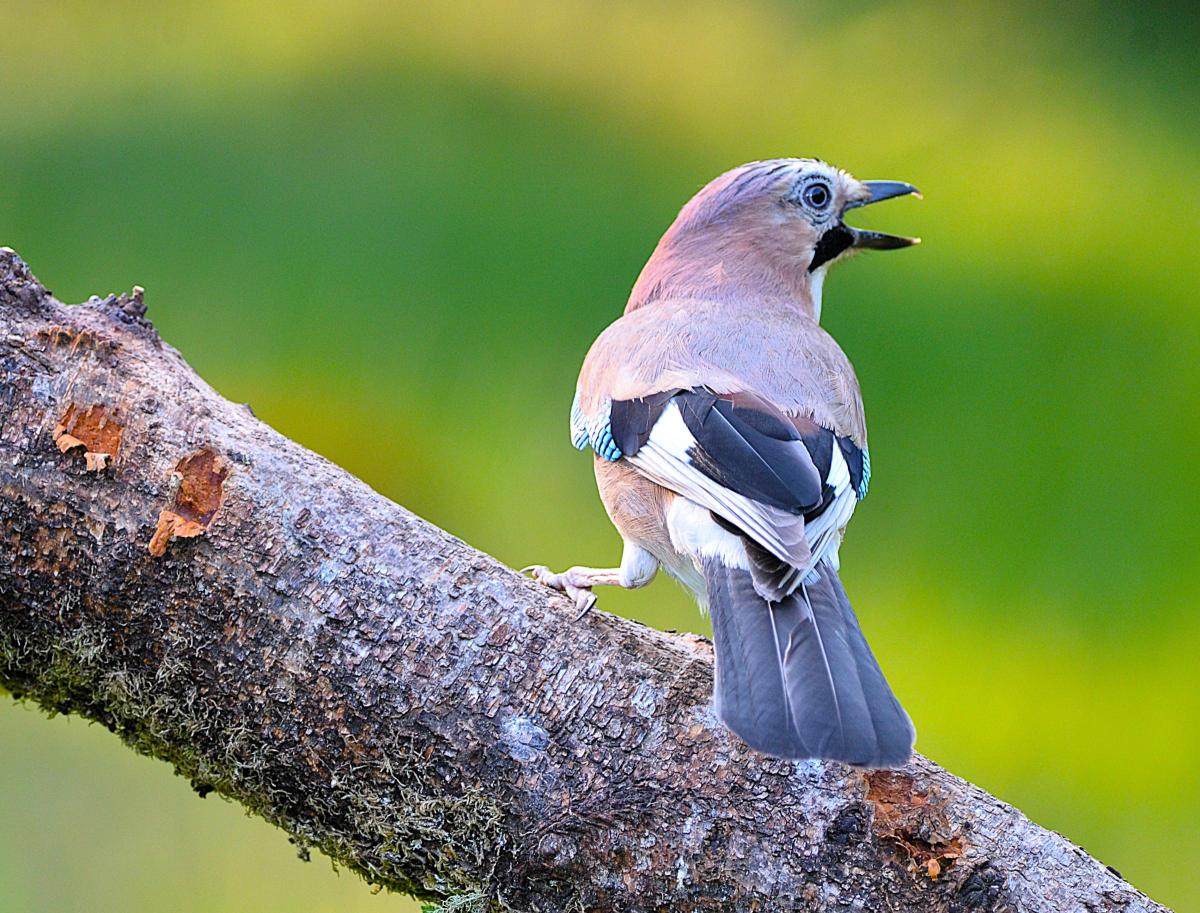
Somewhere in the distance, the screeching calls from a party of jays broke the silence of the woodland air. They were seeking out acorns and beech mast, filling their throats to engorgement and making good the season of plenitude.

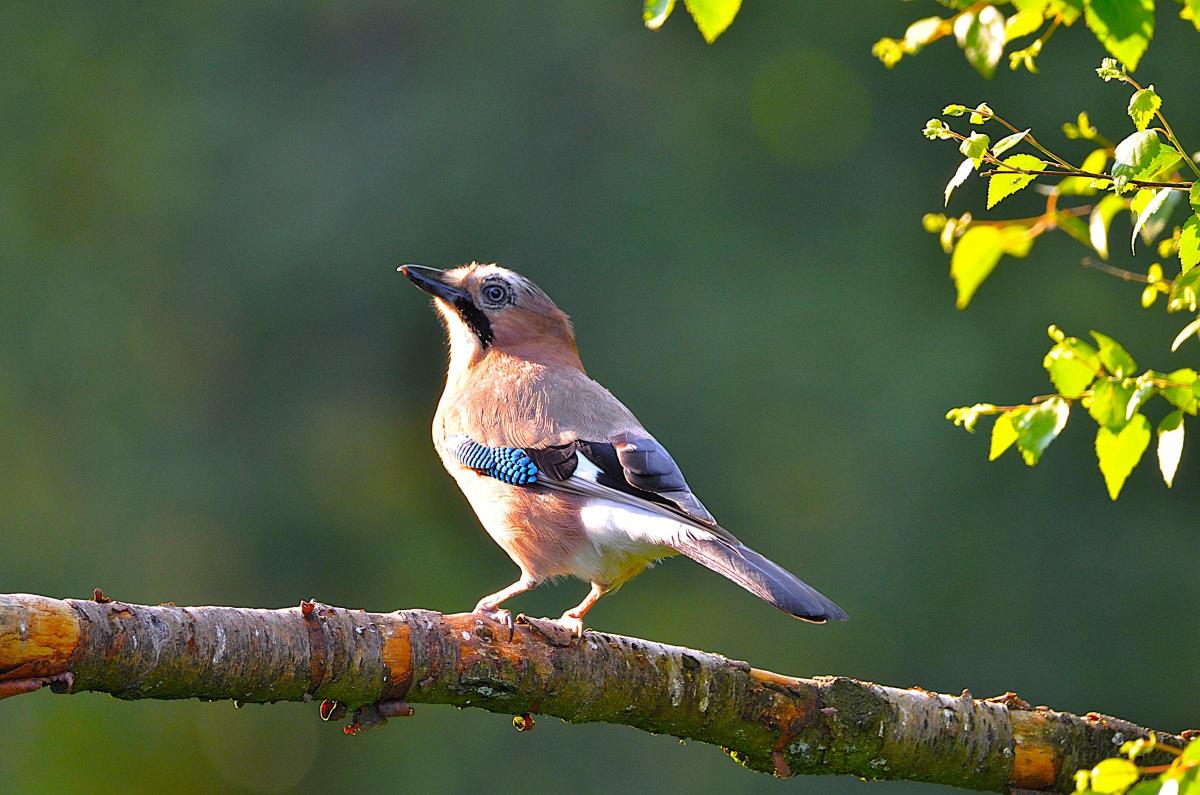
The jay is an enigma. It is without doubt one of our most beautiful birds, an artistic tapestry of powder-puff pink, with white rump and black tail, combined with the most striking azure-blue wing flashes.
Yet, for a creature of such imperious splendour, it has the most awful call – a hideous screech that has little to commend it, and which gives the impression that they are birds encumbered in perpetual torment.
In truth, these screeching jays are happy birds, calling to one another to keep in contact as they work together in loose groups in search of autumn’s rich bounty of nuts and seeds.

Peculiarly, despite its characterful demeanour, the jay is scarcely mentioned in folklore, and the 19th century poet John Clare was almost alone in his literary mention of the jay, and only then because he mistook the call for that of a nuthatch.
Perhaps this lack of historical impact is because they are such perennially shy birds that are always hard to approach close.
Indeed, such is their elusiveness, I have probably only ever had a good view of a jay on a handful of occasions.
They are true phantoms of the forest, seldom seen yet making their presence felt with their blood-curdling screeches that echo across the damp, autumnal air of our Wee County woodlands like some torturous wail drawn from the depths of underworld.


Share