


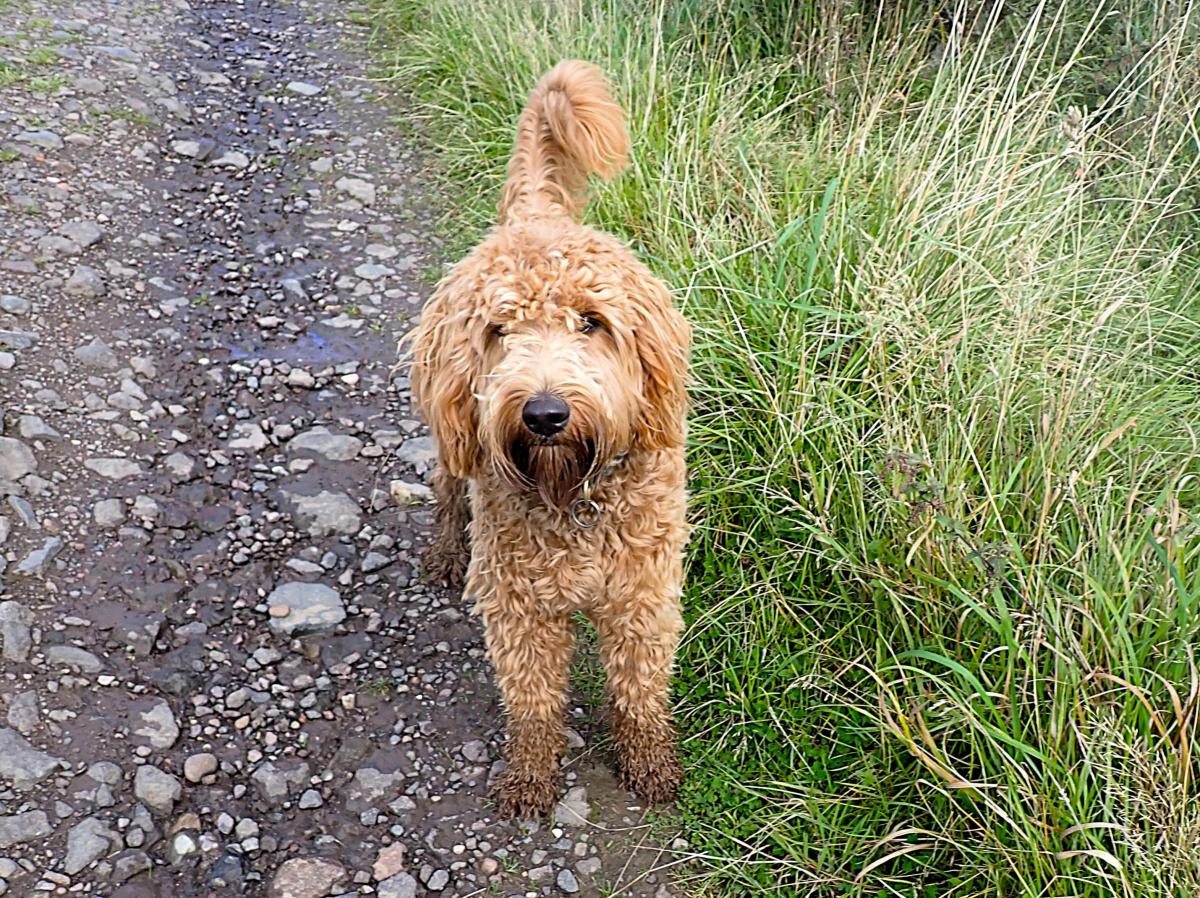

A wild howl from Cora, our wayward Australian labradoodle, shortly after she was let out into our Clackmannanshire garden one night to do her bedtime business.
Something had spooked her - but what could it have been?
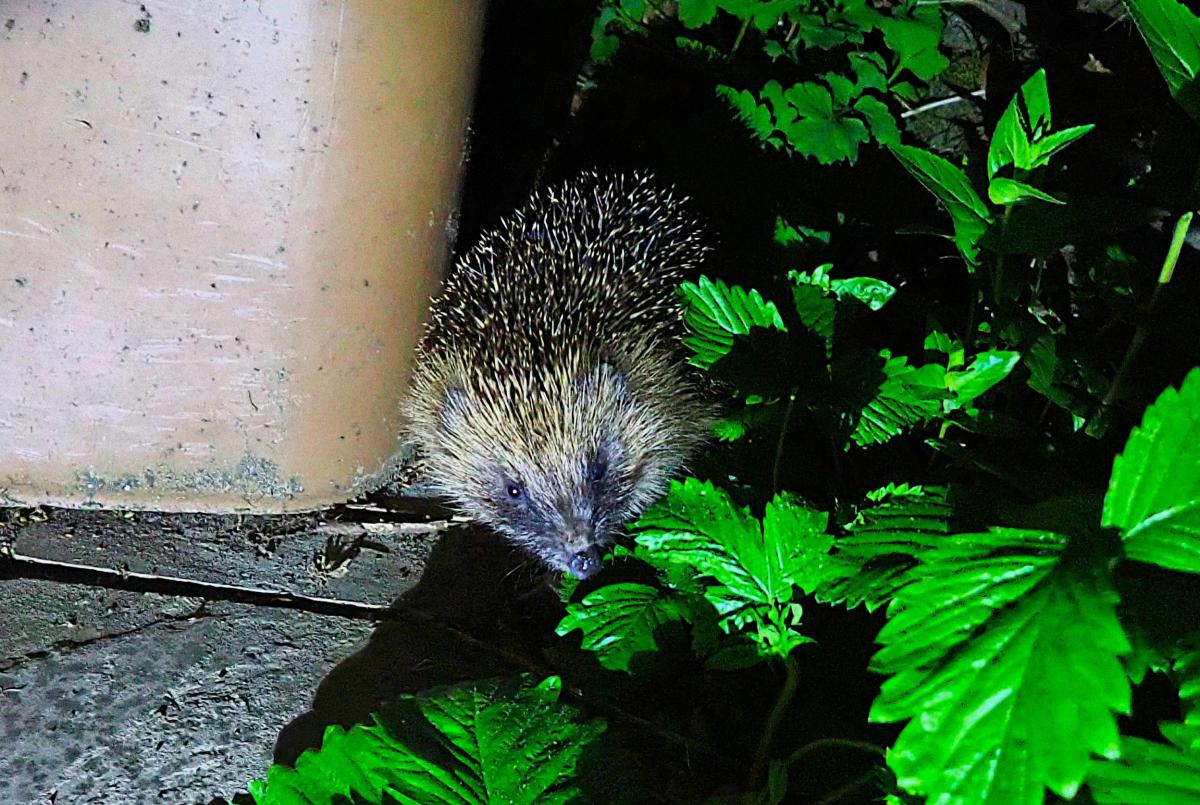
I ventured outside with a torch and soon spotted a hedgehog, half-curled up by one of our wheely rubbish bins stored by the side of the house.
Cora had quickly lost interest in her prickly find and now gambolled happily on the lawn, but as a precaution I bundled her back inside the house and bedded her down, before slipping back into the garden to see if the hedgehog was still there.

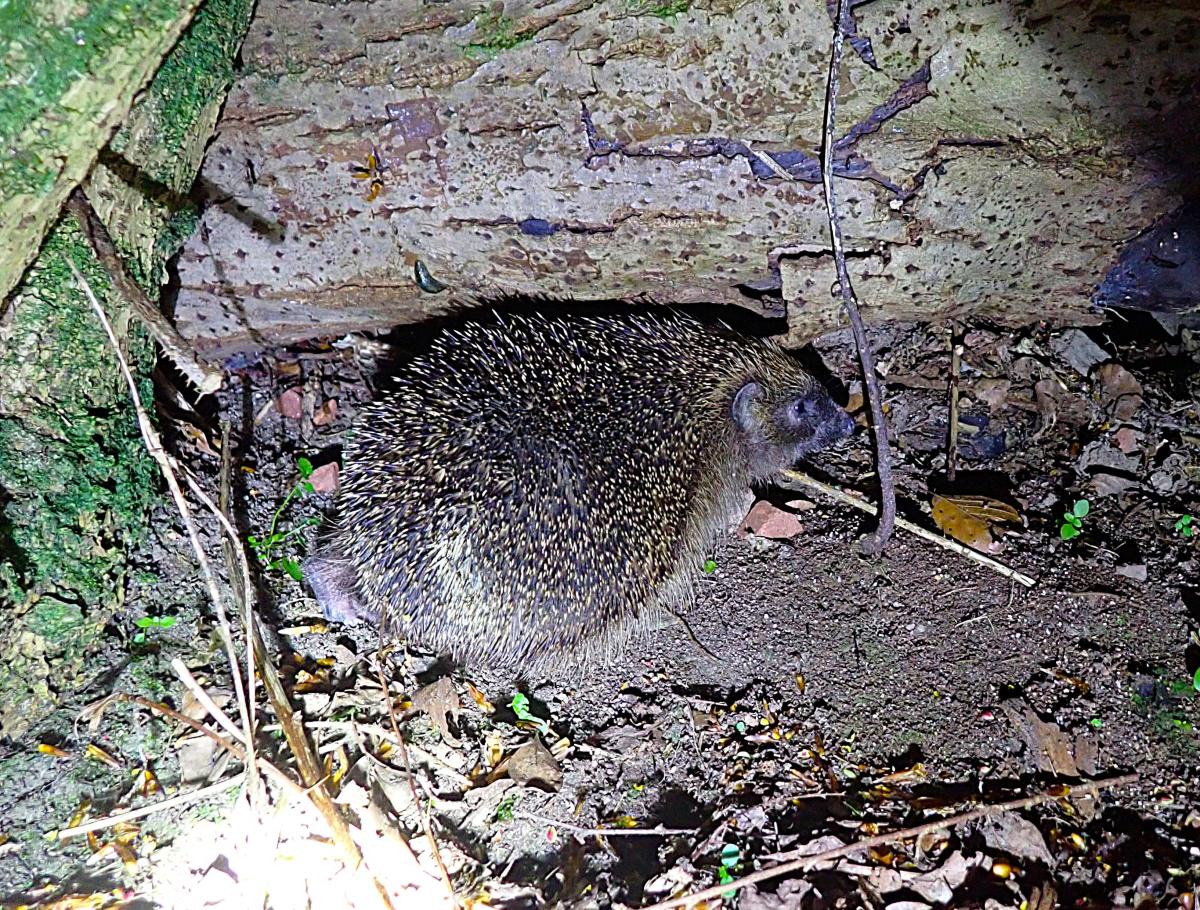
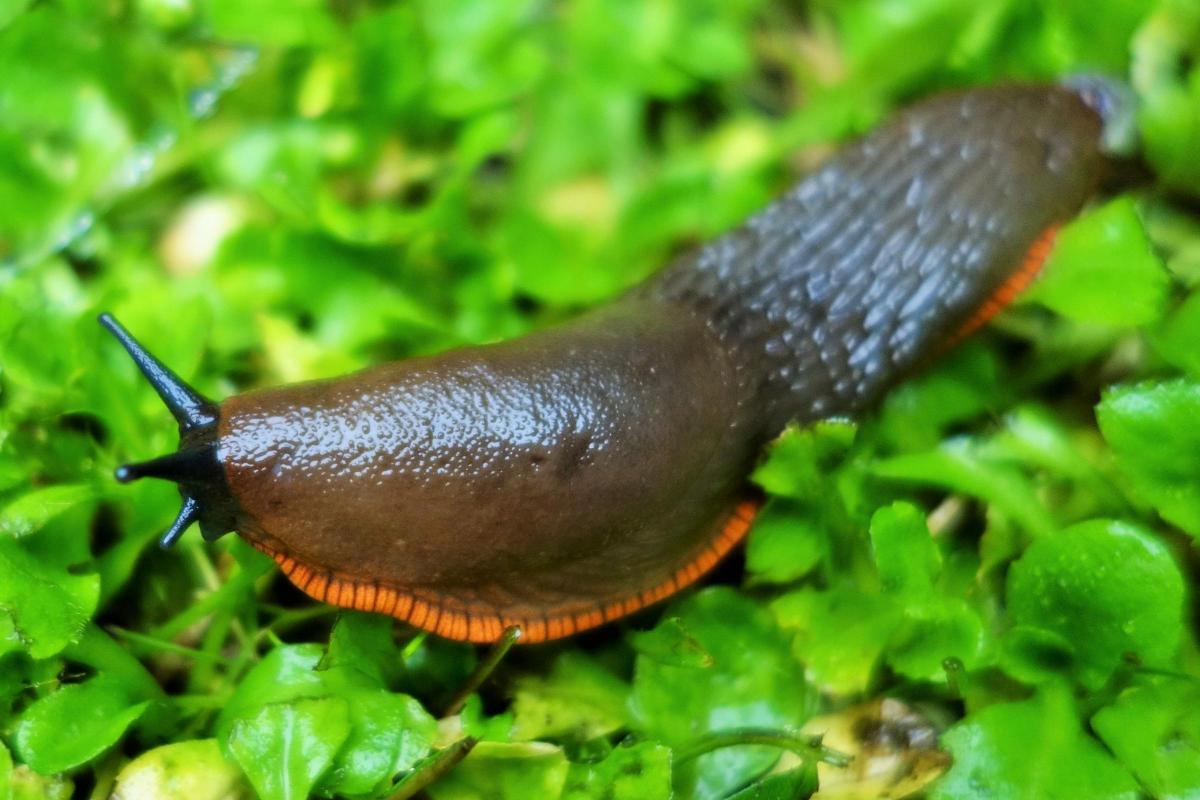
I soon heard it, snuffling beneath a berberis bush where it meticulously examined with its twitching snout the underside of a rotting log for slugs and other nutritious invertebrates.
Despite the chunky body and wee legs, this spiny urchin displayed a remarkable turn of speed and soon disappeared under a thick tangle of a cotoneaster.
It had been a while since I had last glimpsed a hedgehog in our garden and the discovery delighted me because these charismatic creatures are in serious decline and currently considered as ‘vulnerable to extinction’ and on the Red List for British mammals.
Declines have been most marked in rural areas – in some areas by up to 75 per cent.
The reasons for the decline are numerous, a perfect storm of factors that include habitat loss, getting hit by vehicles on roads, pesticides reducing their invertebrate prey and garden fences blocking their movements.

I suspect that increases in badger populations, which prey upon hedgehogs, has been another significant factor.
Their scarcity is a tragedy because it was not that long ago when they were common.
As a child, I was all too familiar with encountering them, and have fond memories of following the creatures as they trundled and snuffled along the ground.
Get too close, and the spiny animal would half-curl into a protective prickly ball. Touch it, and the ball would tighten like a clenched fist.
Hedgehogs are fascinating creatures indelibly engrained in our folklore, much of which is unrequited myth, including the notion that they suckle the teats of cows for their milk.

The Victorian zoologist Thomas Bell noted: “There is an ancient prejudice still prevailing among the common people that it sucks the cows during the night, thus disappointing the milkmaid of the expected repletion of the morning pail”.
Or as the 20th century Scottish naturalist, David Stephen, more bluntly put it: “A hedgehog couldn’t suck a cow if he tried, and in any case, no self-respecting cow would permit it”.
The adoration for our hedgehogs is well illustrated by Philip Larkin’s poem, ‘The Mower’, who vividly expressed his anguish after accidently killing one in his garden when cutting grass.
He wrote: "The first day after a death, the new absence is always the same; we should be careful of each other, we should be kind while there is still time".
Words, perhaps, that should have equal resonance with regards to all our dealings with nature.


Share