


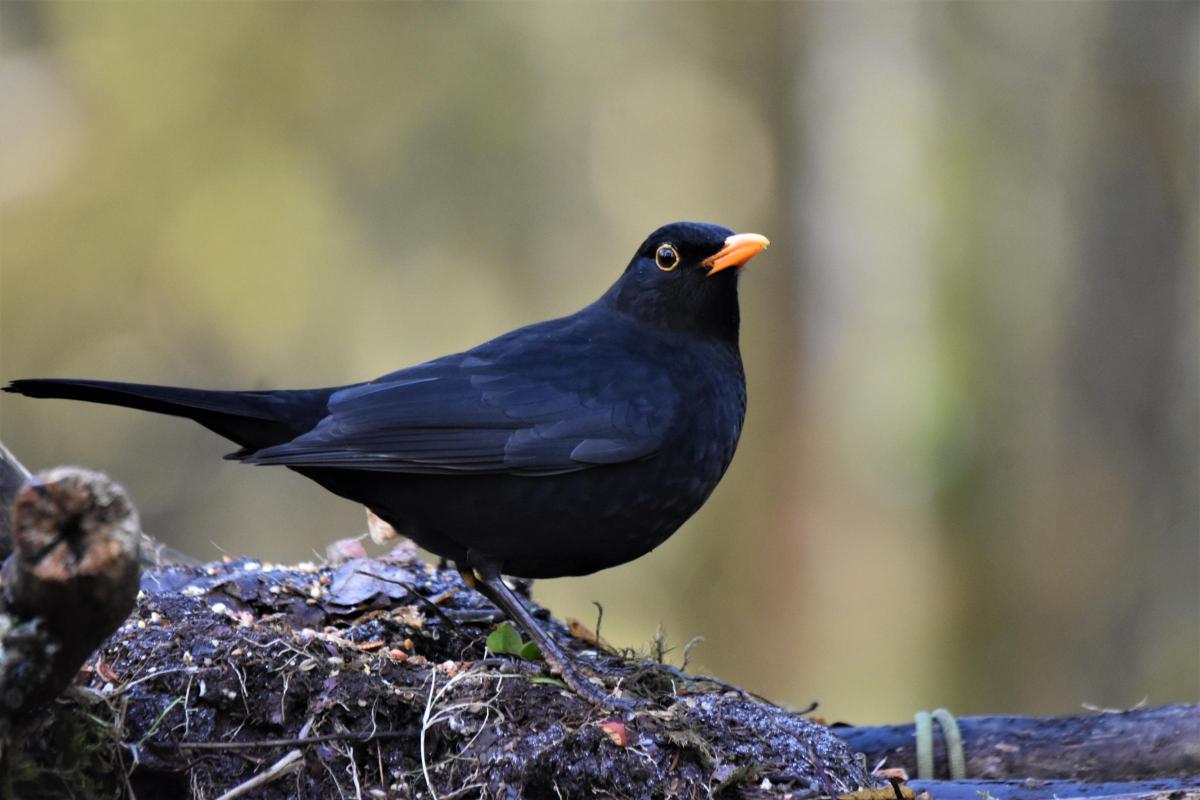

A male blackbird busily searches for worms by a grassy verge and a flock of goldfinches twitters in a tree above – but I am not out in the wilds of the countryside, but instead near the centre of Alloa.
It might seem a strange thing to say, but as I walked along Bowhouse Road in the southern part of Alloa, I was immediately drawn into its green surroundings.

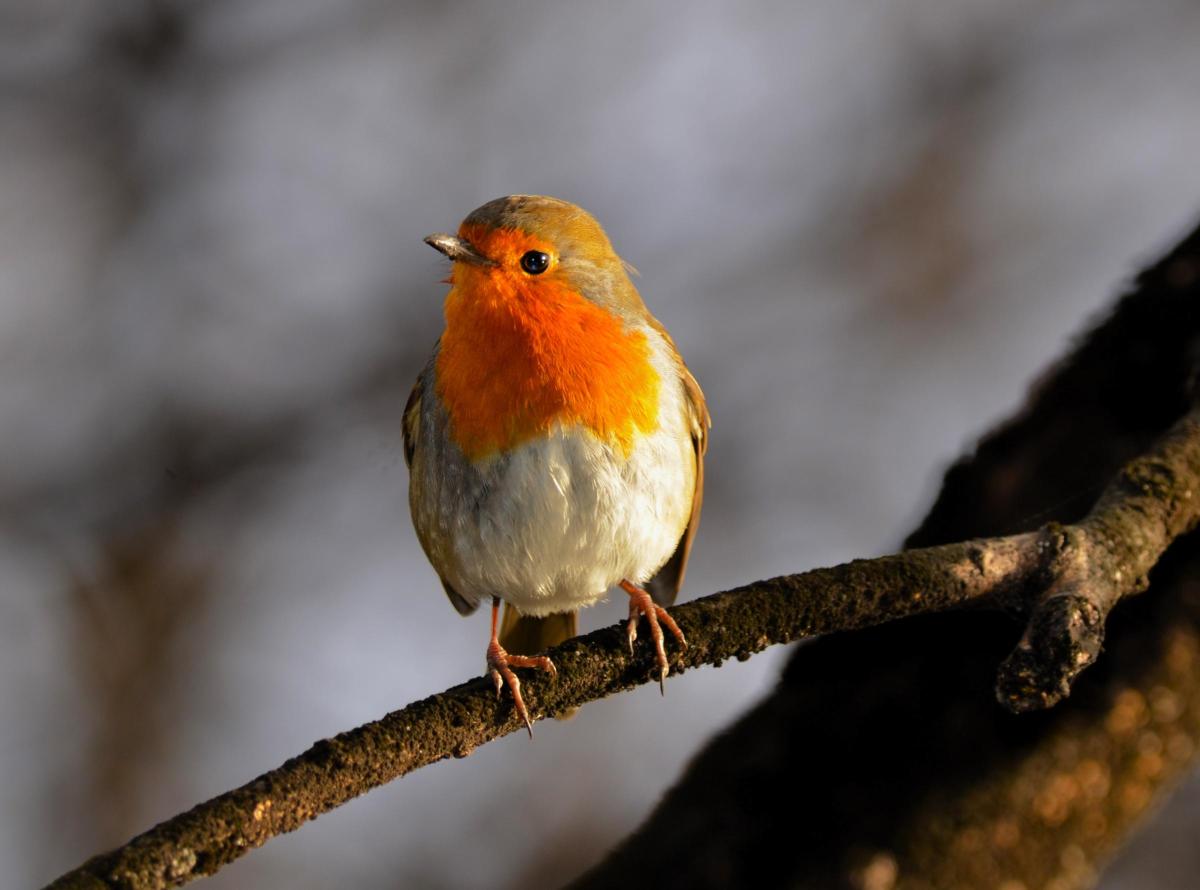
I watched the male blackbird for a while as it busily foraged in among the leaves and nearby a young robin flitted on the lawn in the front garden of a house.
Surprisingly, perhaps, blackbird densities and those of many other songbirds are typically higher in towns than in the surrounding countryside.
Towns and cities are often natural havens and true wild sanctuaries – think of the numerous green spaces such as parks and golf courses, cemeteries and playing fields.

There is the River Black Devon that skirts around the edge of Alloa, along with the inner Forth estuary.
Then, there are the multitude of gardens where nectar-rich flowers attract insects, while ornamental bushes and trees provide places for songbirds to nest in spring and summer, and a rich harvest of berries to feast upon in autumn and winter.
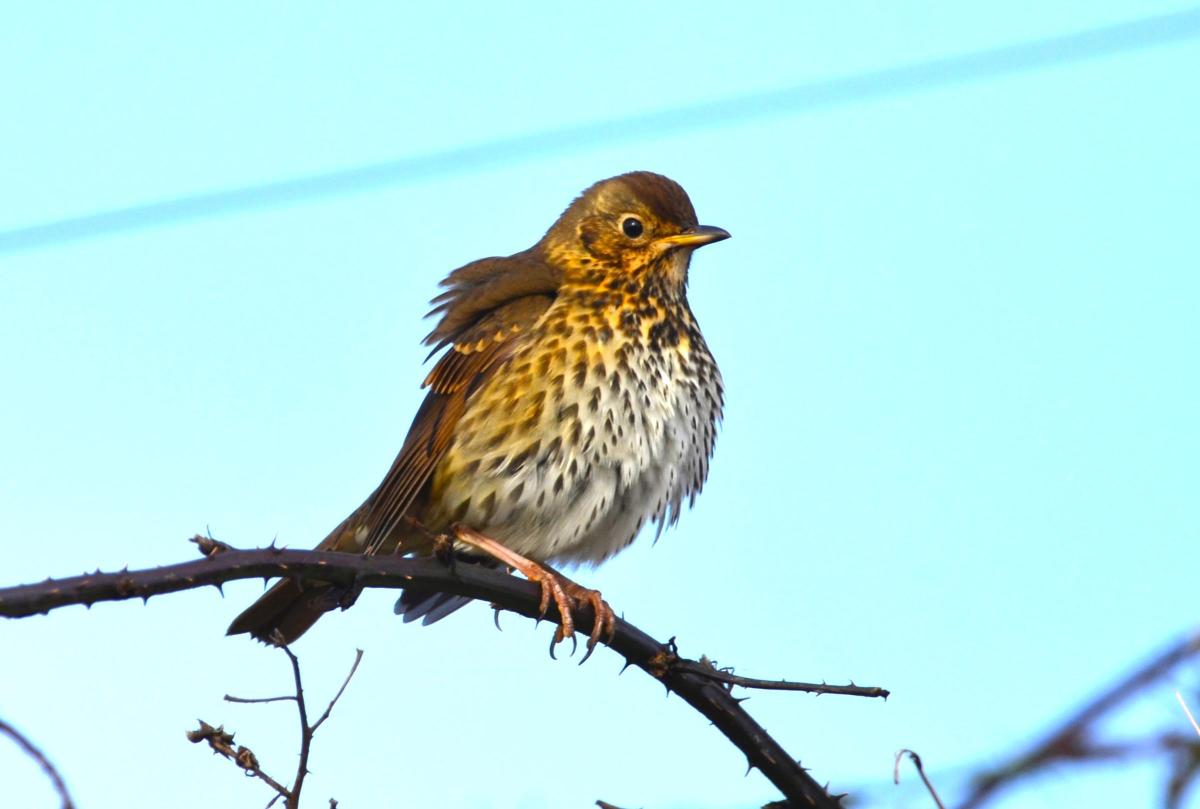
Garden bird feeders provide ready sustenance during the dark days of winter, and well-kept lawns are perfect places for song thrushes and starlings to eagerly probe for worms and grubs.

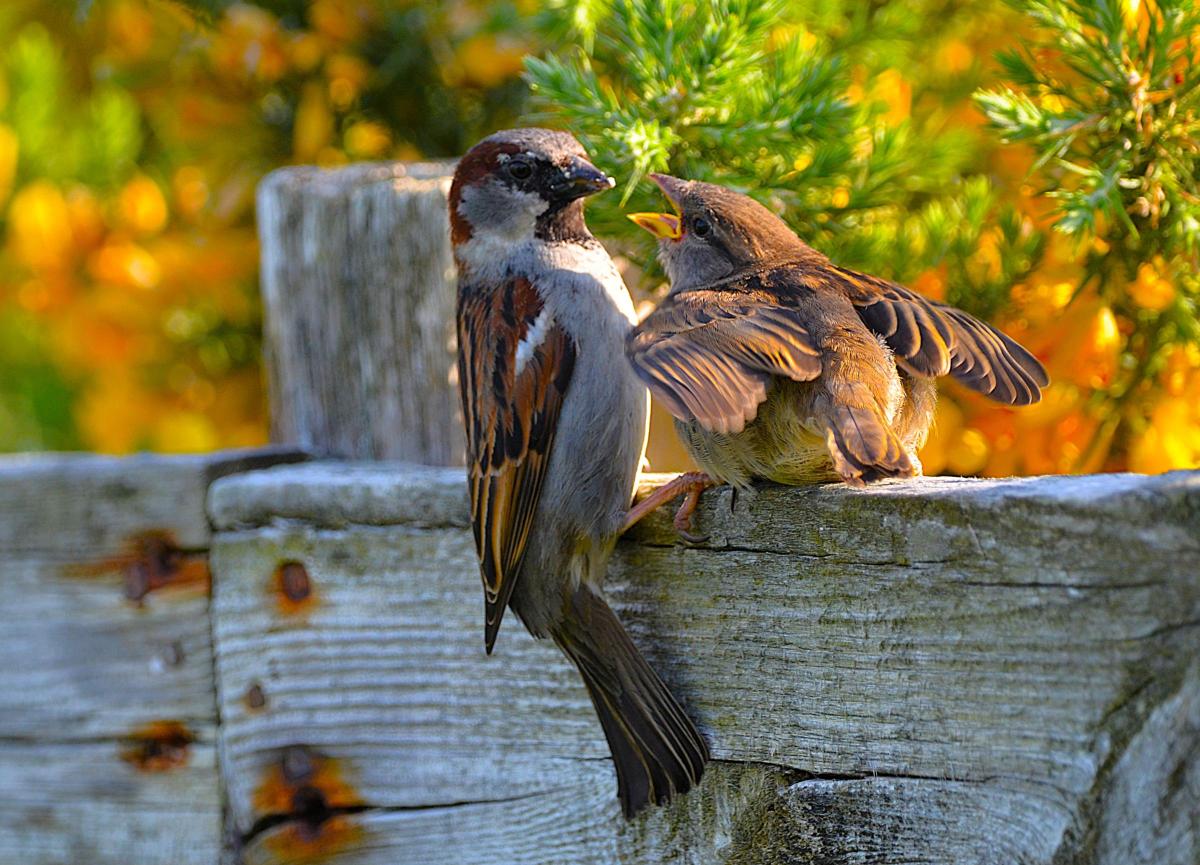
Buildings provide safe places for house martins, swifts, and house sparrows to nest.
The sheltered aspect of the built environment of Alloa creates a warmer, more benign micro-climate compared to the surrounding countryside, making it a welcoming sanctuary for wildlife.
I wandered further down the road and onto a path that follows the bank of the River Black Devon.

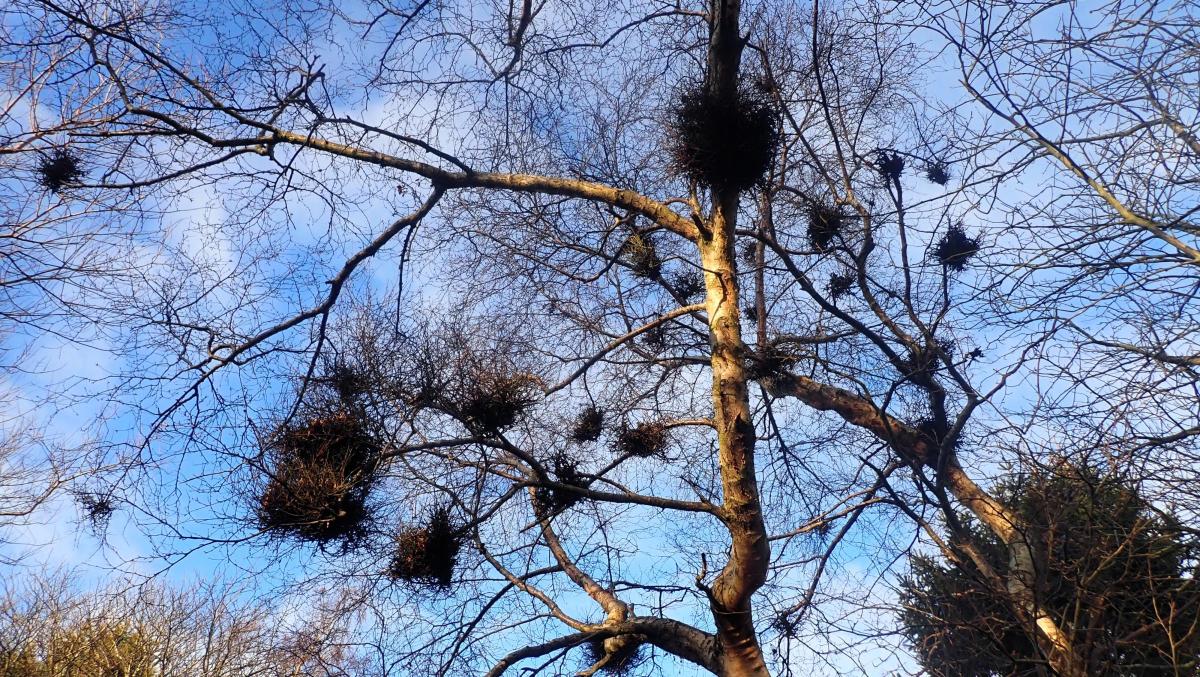
A silver birch nearby hung heavy with bird-nest like structures known as witches’ brooms.
They are abnormal tree growths caused by fungal, viral or bacterial activity that results in the growth of the buds spiralling out of control, producing a multitude of tangled, side stems.
This little green corner by the edge of Alloa abounded with all forms of magical life and I had become completely smitten by its wild charms.
Nature and humanity can prosper together and this was the perfect example of such mutual co-existence.


Share