



The autumn woodlands of the Wee County are wonderful to wander through as the leaves begin to turn and burnish the landscape with a delightful range of ochre tints and hues.
The woodland at Dollar Glen is an especially good place to visit in autumn, given the variety of different types of trees found there.

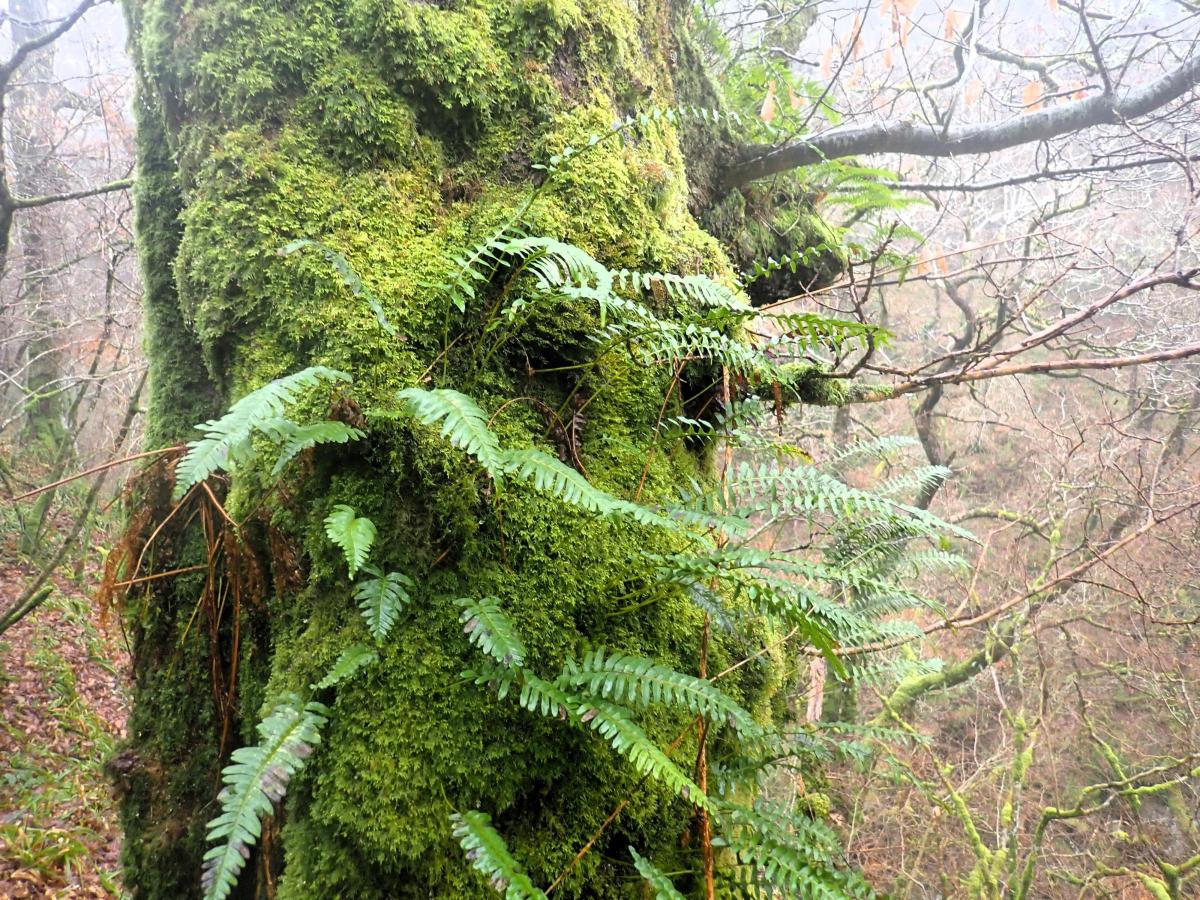
In effect, Dollar Glen is a temperate rainforest, dripping with ferns, lichens and mosses that thrive because of the humid air created by the tumbling waters of the Burn of Sorrow and Burn of Care (which merge into the Dollar Burn) that run through it.

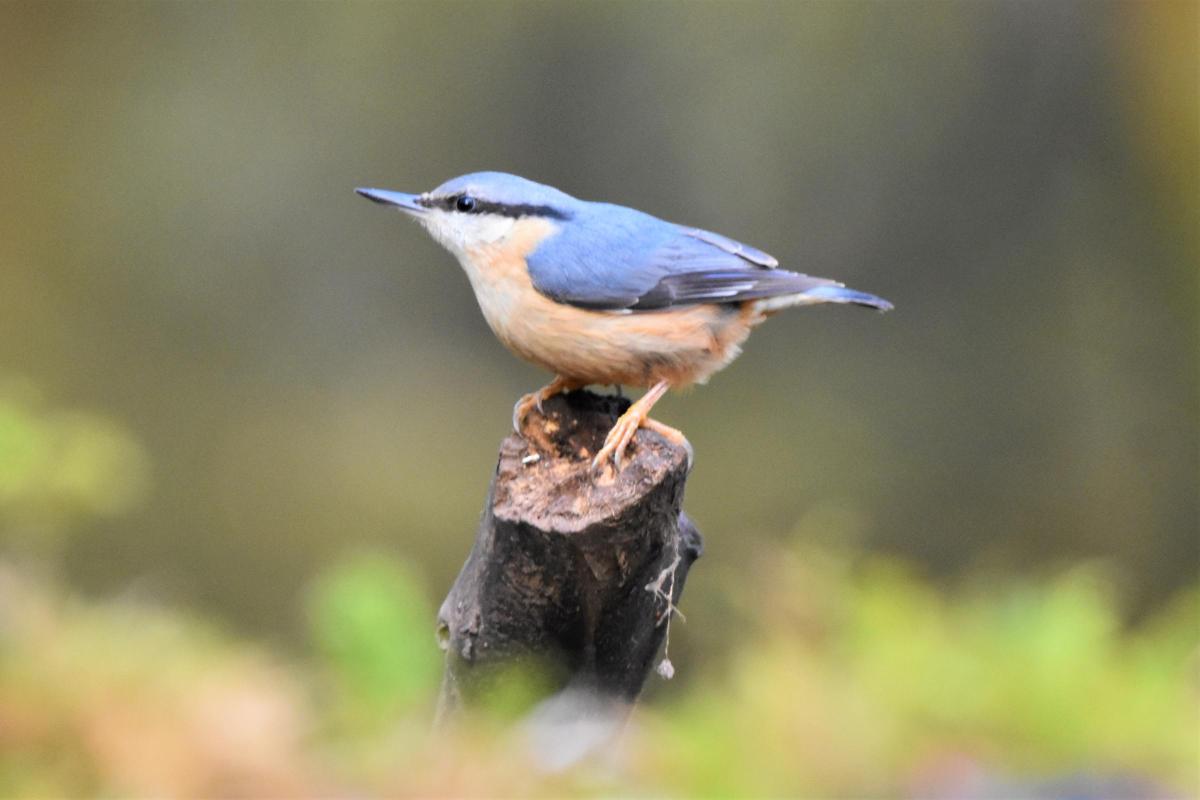
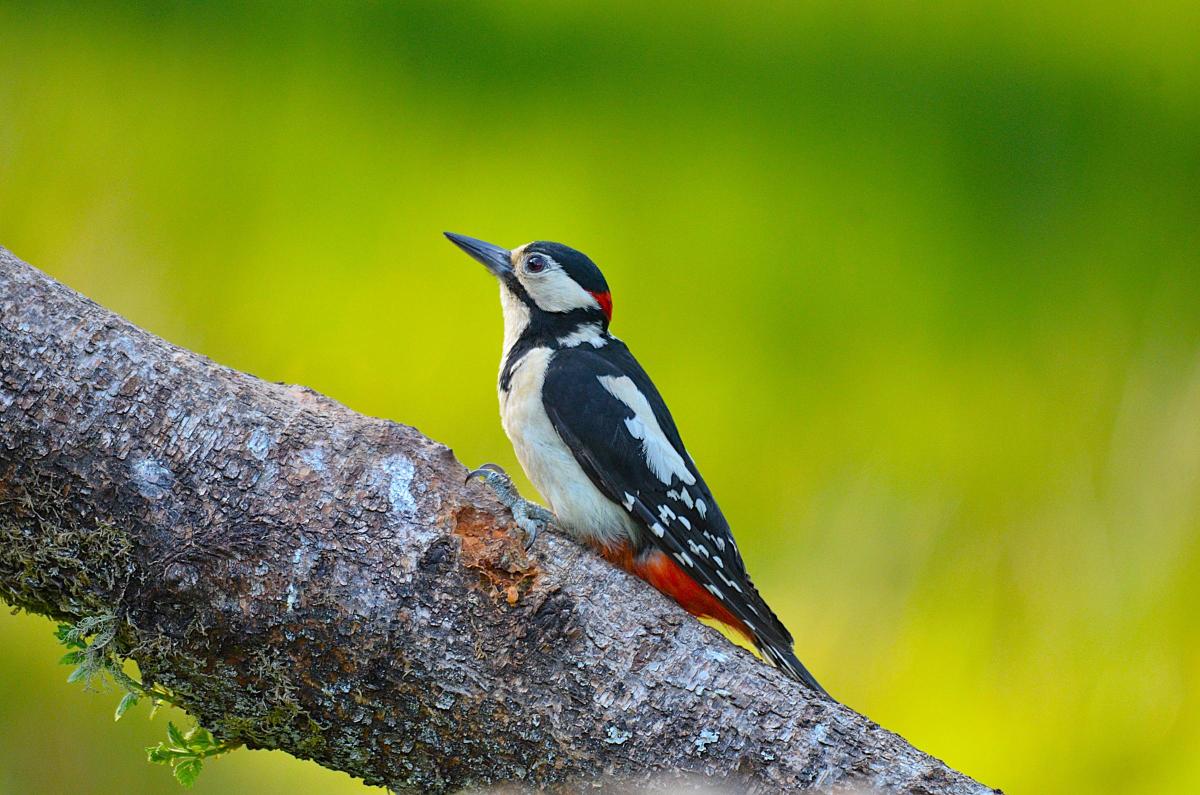
When walking the glen, look out for great-spotted woodpeckers making their way up tree trunks, eagerly probing crevices in the bark for invertebrates hiding within. Treecreepers and nuthatches are also often glimpsed.
Both these birds behave superficially similar to a woodpecker, although the nuthatch has the incredible ability to scuttle down a tree trunk head-first.

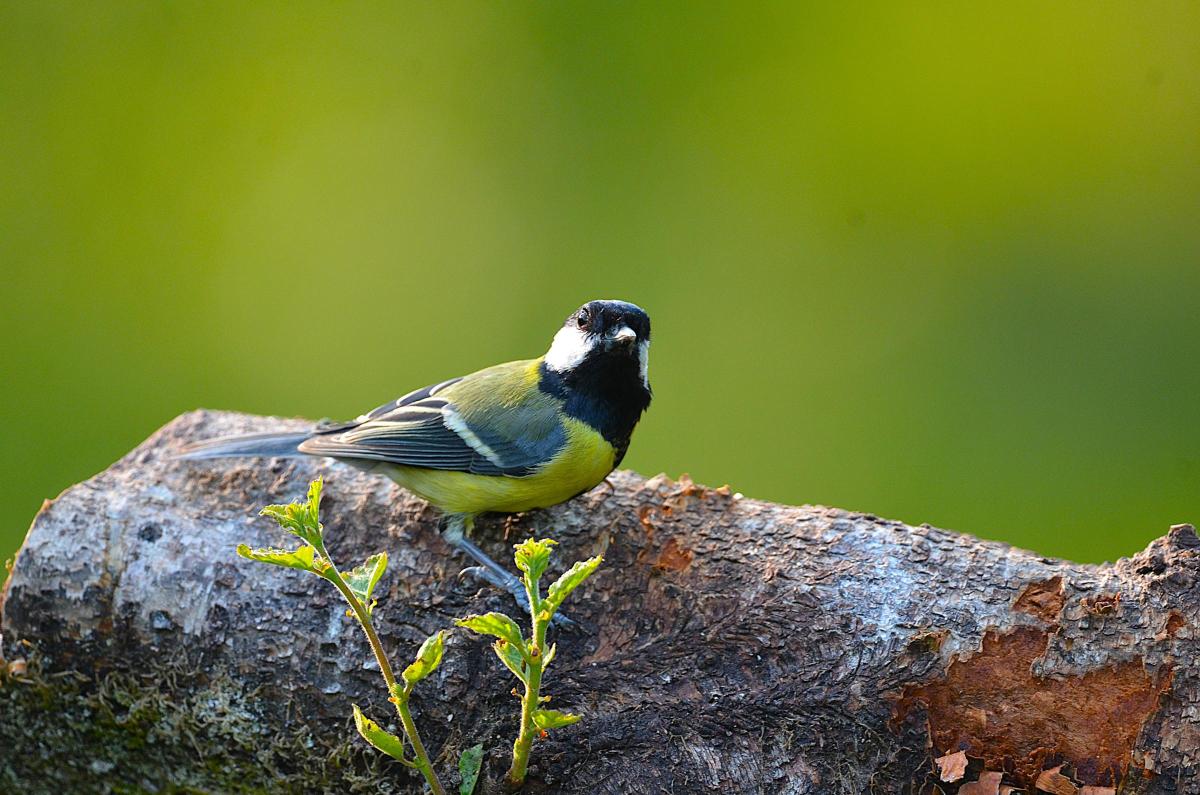
As the leaves fall, it becomes easier to spot other birds, including blue and great tits, as well as robins and blackbirds.
On the churning water of the burn, dippers are often encountered as they forage in the coppery, peat-tinted pools for aquatic invertebrates.
It is worth, too, seeking out mushrooms and toadstools. There is no real distinction between a mushroom and a toadstool, but generally mushrooms are considered edible, whilst toadstools are poisonous to eat.
A toadstool or mushroom is the visible expression of itself that materialises for only a very short period in the autumn as the fruiting body.
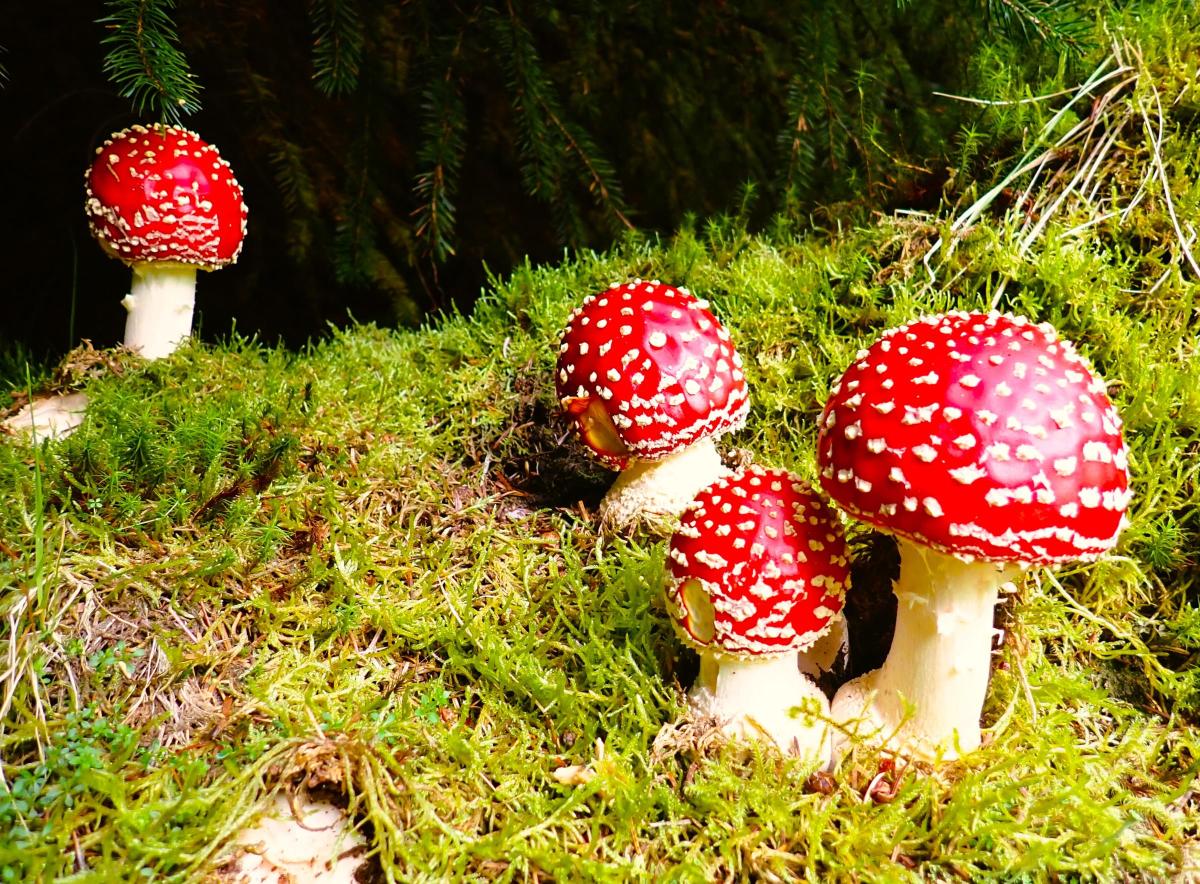
One of our most stunning toadstools is the fly agaric, and whenever I cast my eyes to the ground when wandering Wee County woodlands, their magical scarlet caps soon shine out like fiery embers.

Fly agaric is an exquisite fungus, exhibiting a delightful contrast between the deep redness of the umbrella-shaped caps and their snowy-white warts.
It is the toadstool of our fairy tale books, conjuring images of enchanted woodlands where elves and goblins abound.
The biology is as equally fascinating as the folklore because like many other fungi, the fly agaric has forged a mutually beneficial relationship with trees.
Below the ground lies a vast network of microscopic fungal threads, which exchange nutrients with the tree roots.
The fungus is in effect extending the trees’ root system, helping them obtain minerals and other nutrients.
In return, the trees supply the fungi with carbon-rich compounds produced through photosynthesis. It is a case of ‘you scratch my back, I’ll scratch yours’.


Share