


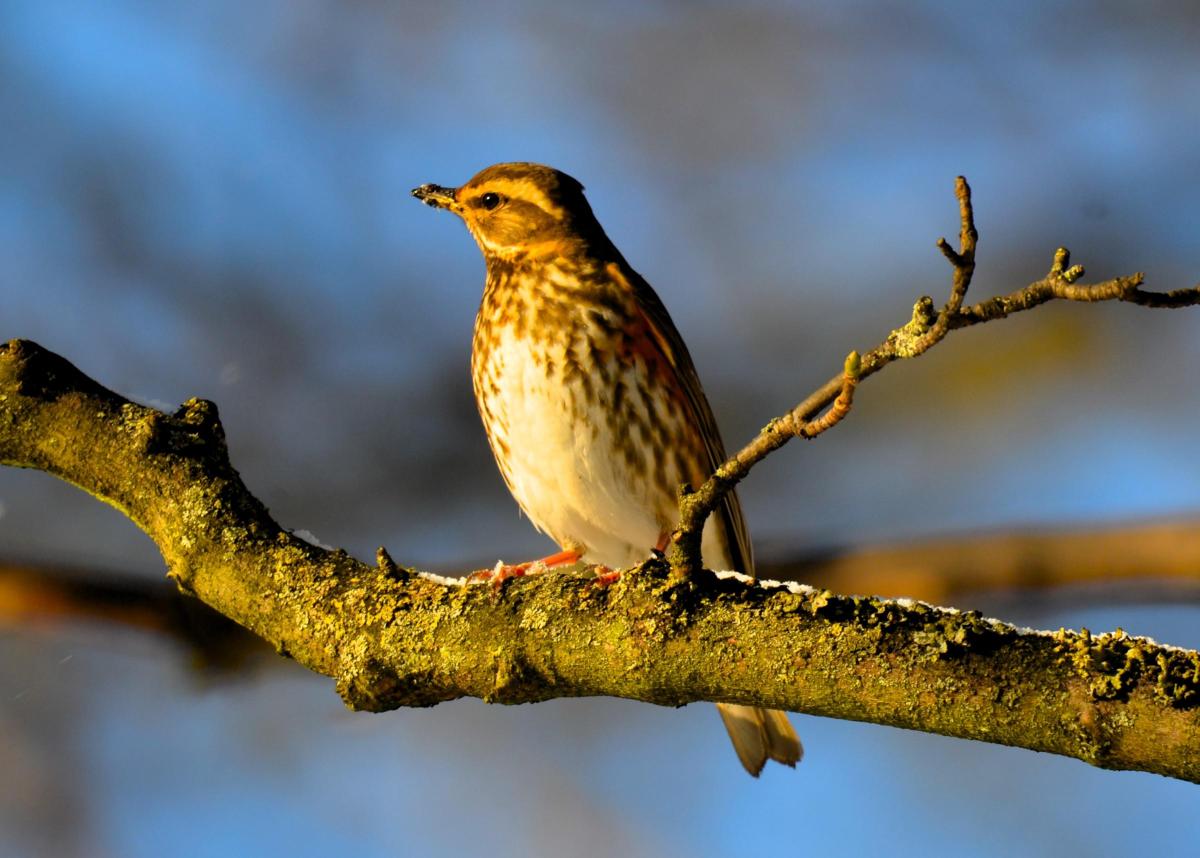
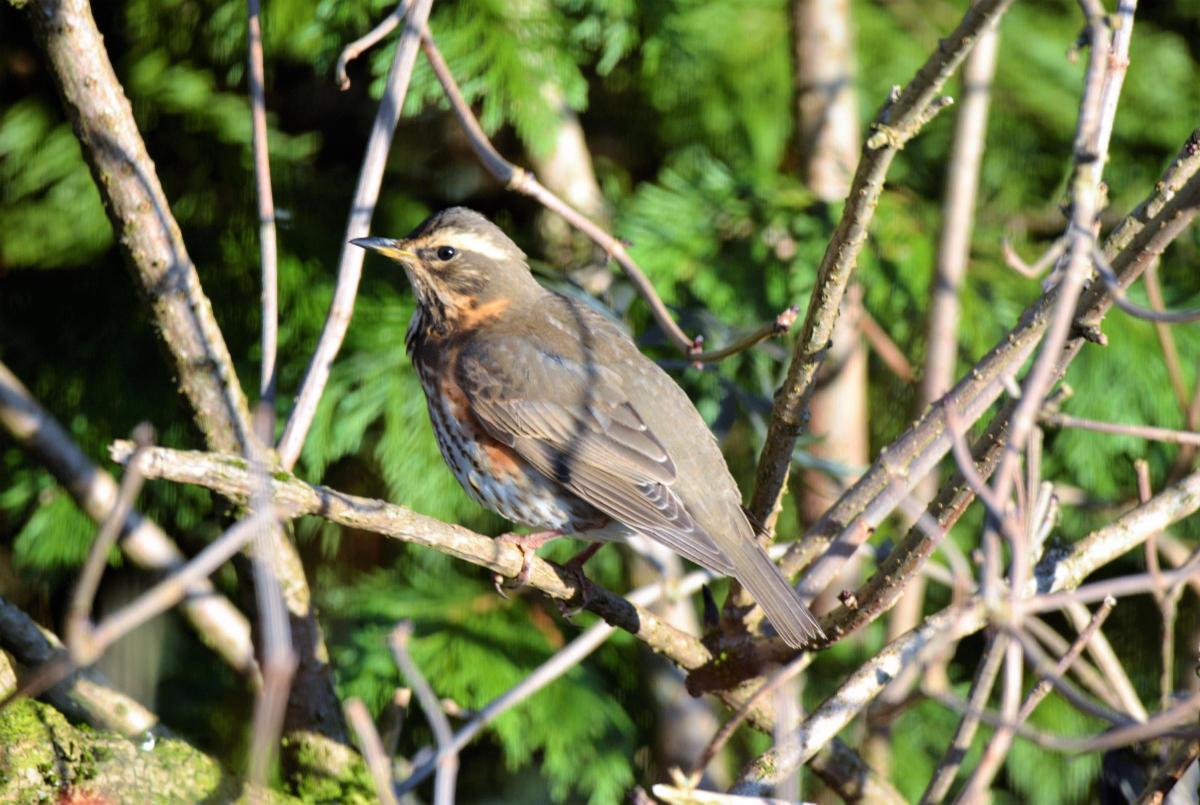
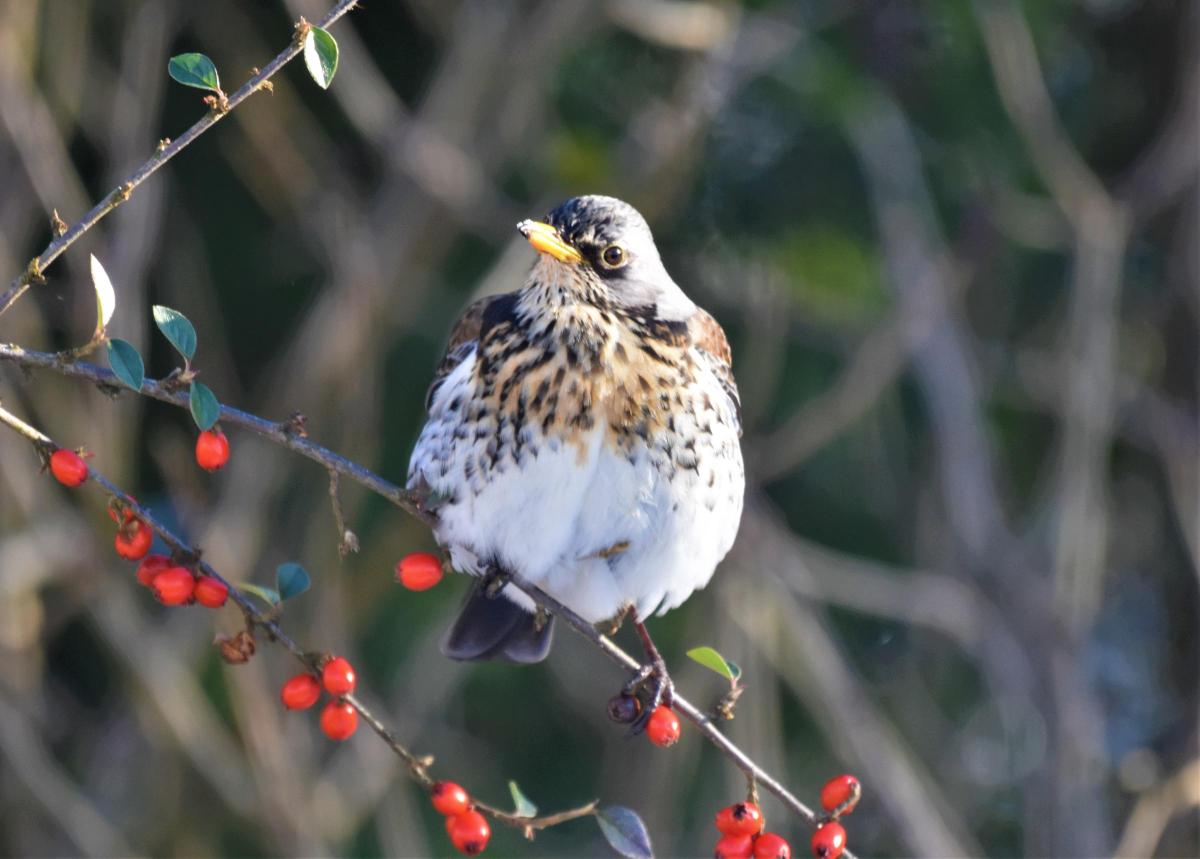
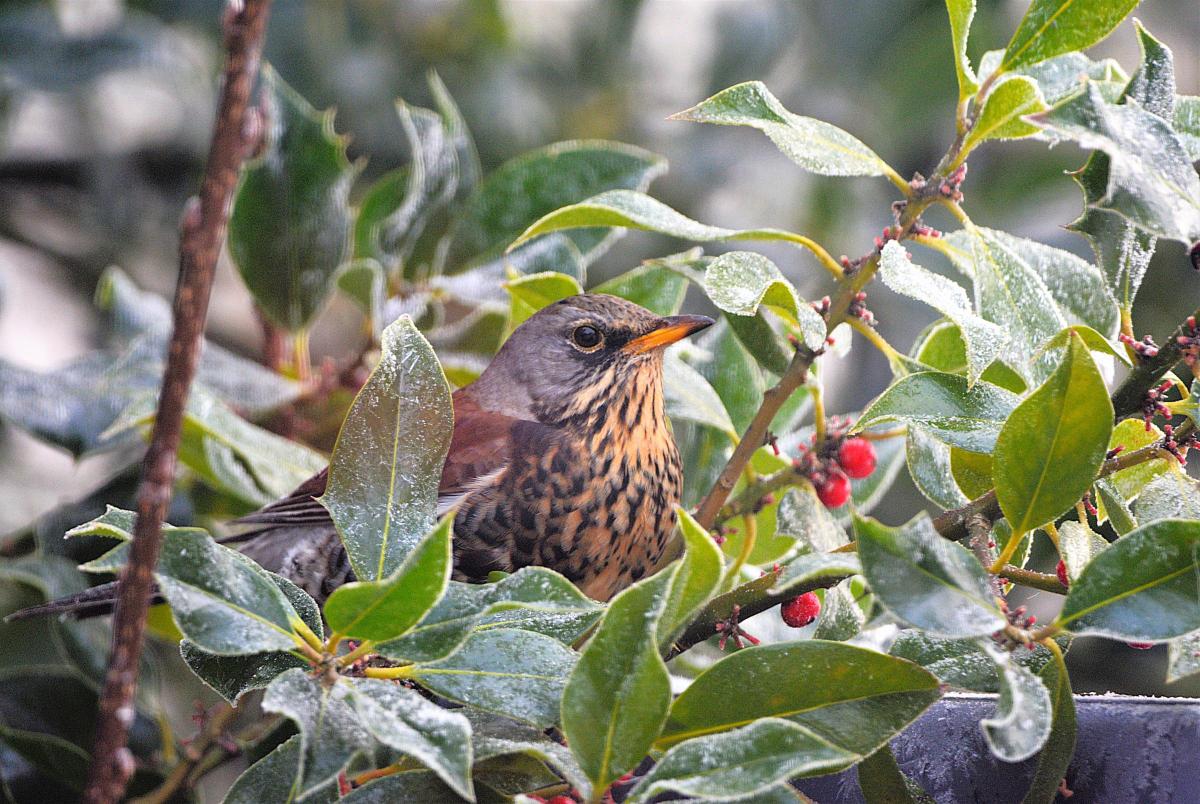

The redwings and fieldfares are back – and I watched mesmerised as a mixed flock of these enchanting northern thrushes bounded along a thick stand of hawthorns near Cambus, cackling excitedly as they stripped and feasted upon the crimson haws.
These thrushes arrive here from Iceland and Scandinavia every autumn and their presence is a sheer joy, bringing a different perspective to the Wee County landscape compared with summer.

Both species are striking, the fieldfare especially so with its slate-grey head and rump, and beige-speckled breast.
The redwing is superficially similar to the song thrush but is slightly smaller and has a pale eyestripe and orange-red underwing.

Redwings and fieldfares are much shyer than song thrushes and blackbirds, although whenever the winter weather becomes extremely cold, they become much more approachable because they are hungry and unwilling to expend unnecessary energy in fleeing from an approaching person.

Other changes are afoot, too, and down on the haugh of the River Devon, the first teal are materialising to spend the winter on the pools that dot the floodplain.

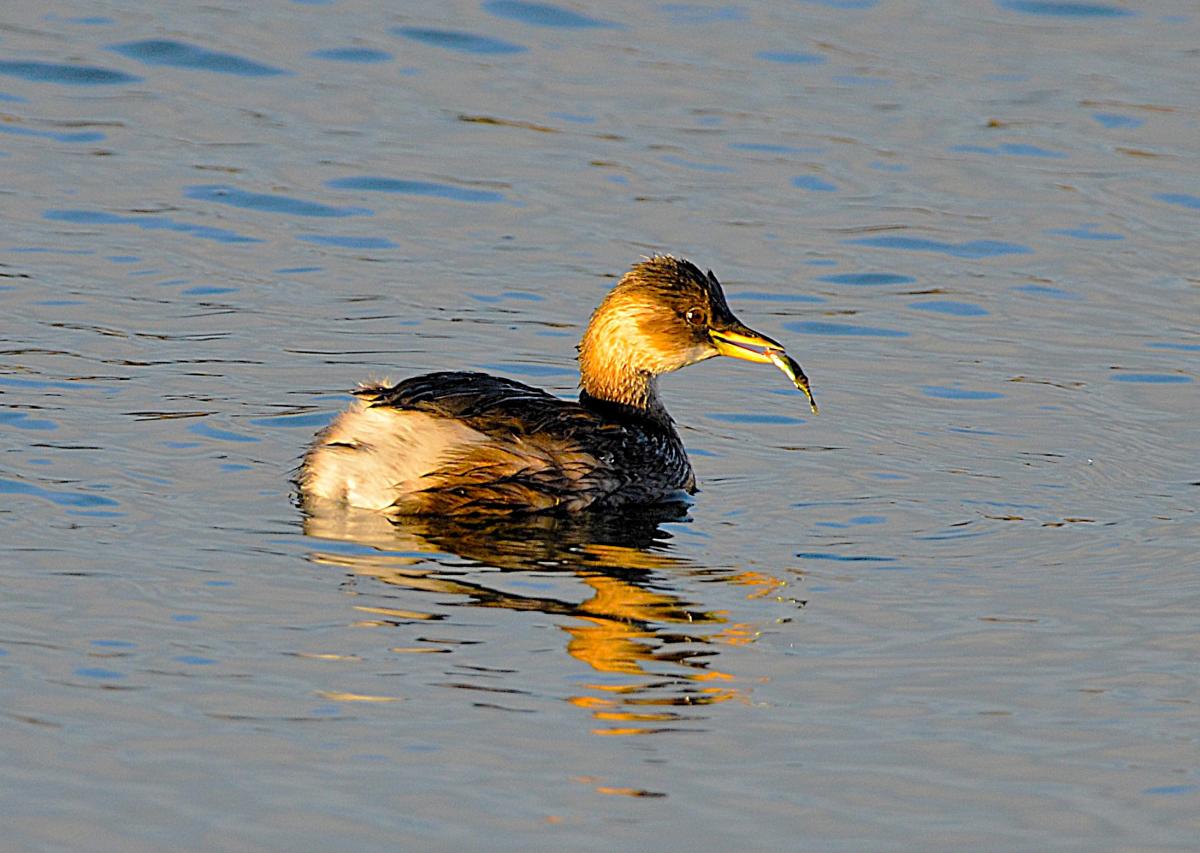
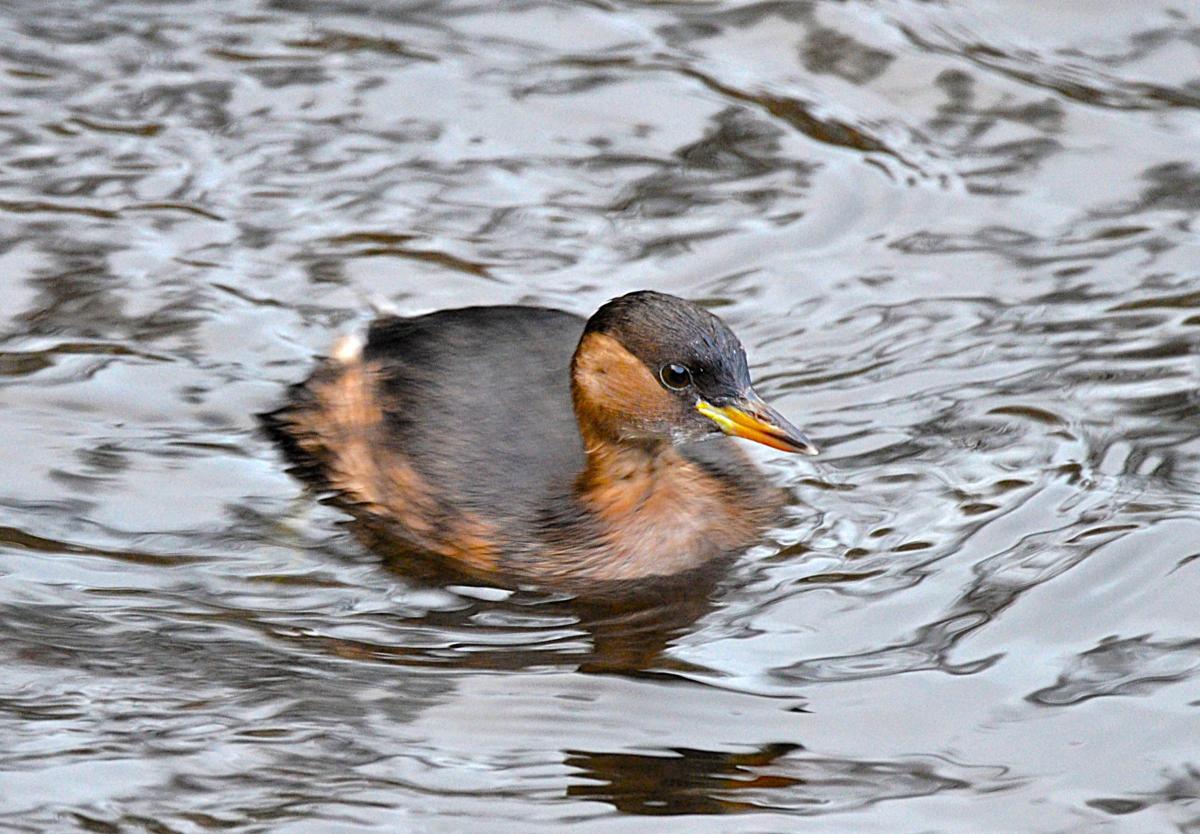
On the river itself, dabchicks are also arriving.
These enchanting small grebes don’t breed on the Devon during spring and summer, probably because their nests would get washed away when the river is in spate. Mink and otters would also present a perennial threat to nests and baby grebes.
Like the fieldfares and redwings, the wintering dabchicks on the River Devon are shy birds and if one approaches too close to a bird, it will either dive under or tuck itself close to the far bank where it will remain motionless until the perceived threat has passed.

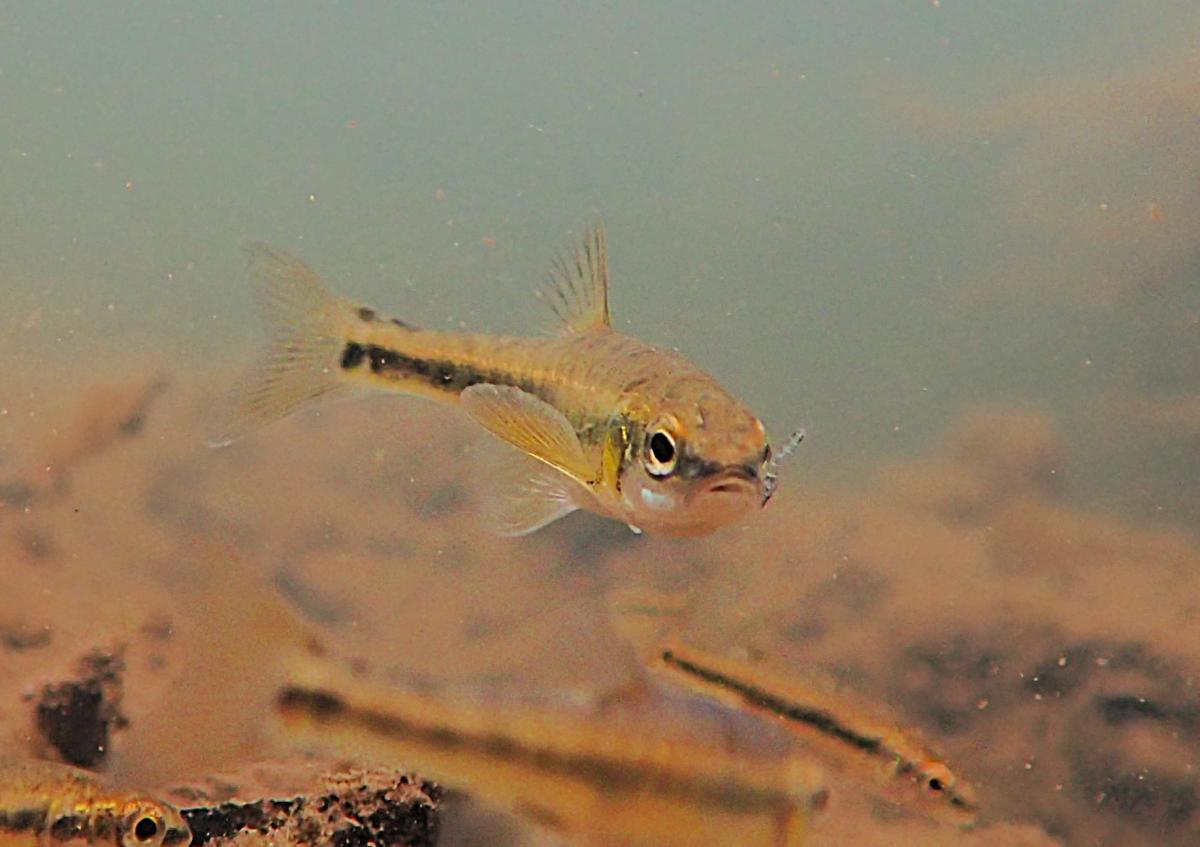
Dabchicks often feed on small fish and the Devon has a very healthy population of minnows, which is why the river is so attractive to them.
Indeed, a couple of years ago I snorkelled in the river near Alva and was astonished at the abundance of minnows in the slower flowing reaches.
The were everywhere and flickered around me like sparkling jewels.

These minnows are one of the ecological bedrocks of the river, supporting so much other life, including kingfishers, goosanders and herons. Large brown trout will also feed upon them.
As I snorkelled close to the bankside, there were many beaver-gnawed trees, as well as several watery channels the animals had carved into the willow carr.
These channels create additional welcome habitat for invertebrates and aquatic plants, bringing vital new life to the river and benefiting the wider riparian ecosystem in the process.


Share