


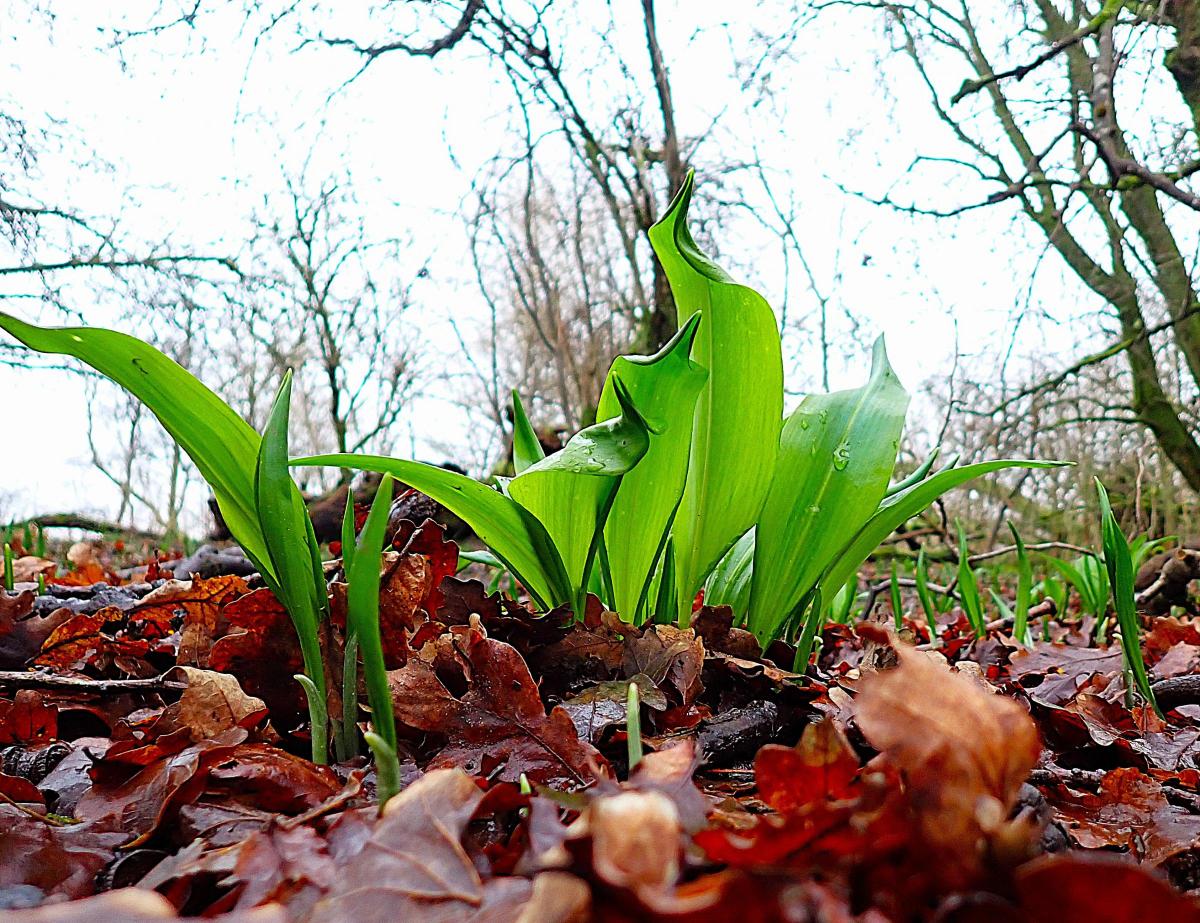

The vibrant green shoots of verdant new growth polka-dotted the ground by the bankside of the River Devon near Alva, comprising leaves so brilliant in their freshness that they sang like heralds to the approach of spring.
These slowly emerging leaves belonged to ramsons, or wild garlic as widely known.

Ramsons are one of the first green shoots to appear in late winter and in the past were widely associated with rebirth and cleansing.
Eating ramson leaves in early spring was believed to purify the blood and restore strength.
Ramsons were also thought to ward off evil spirits and bundles were sometimes hung near doorways.
The Latin name ‘ursinum’ (of the bear) arose from the belief that bears ate wild garlic after hibernation to regain strength.

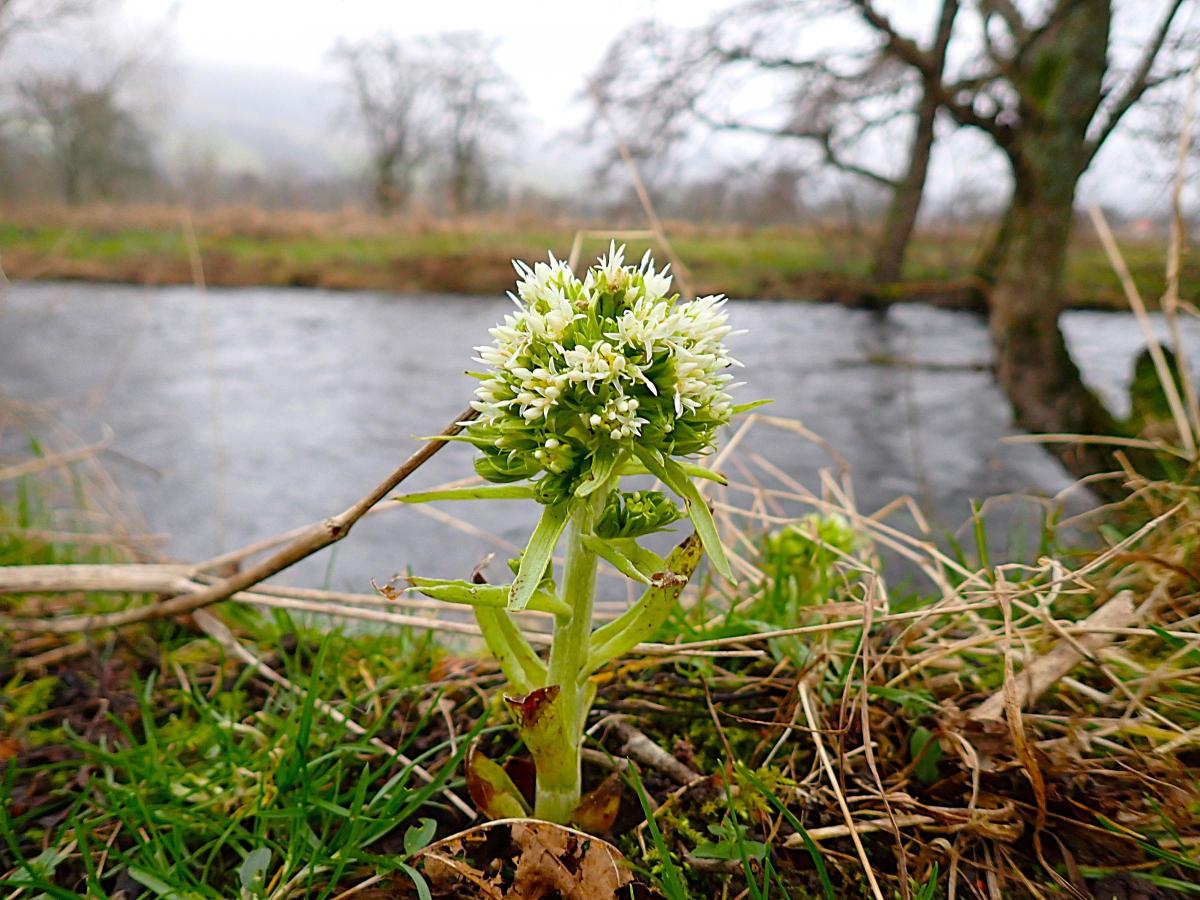
The demure, creamy flowers or white butterbur are also now emerging by many parts of the Devon.
The flowers appear first on small upright stems, before the broad leaves quickly unfurl. It is a non-native plant to Scotland and is now widely naturalised, especially by riverbanks and along woodland burns.
It first arrived as an ornamental garden plant and spreads by its creeping rhizomes, fragments of which get washed downstream by rivers during floods, thus establishing new colonies.
The large leaves can shade-out native plants, making white butterbur an undesirable species on our river banksides.

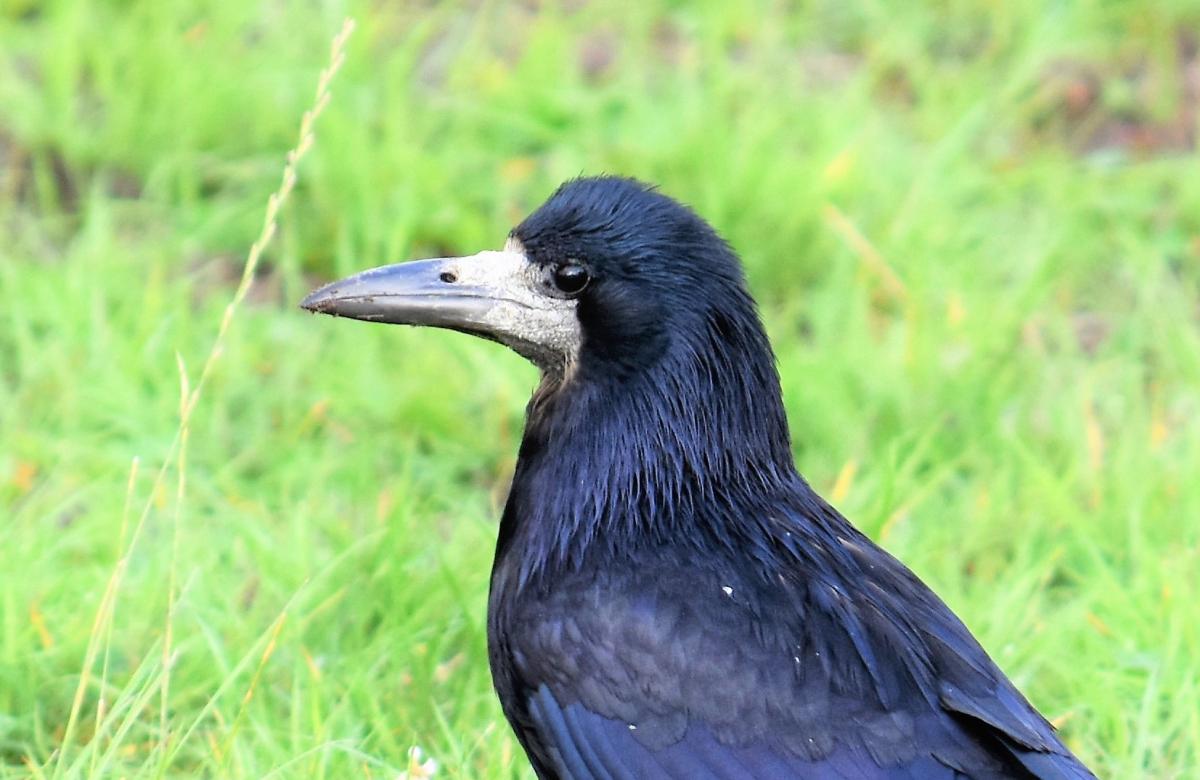
I have noticed rooks now gathering around a traditional rookery near Dollar, inspecting last year’s nests and carrying out refurbishment work. There is also much courting going on.
Rooks typically pair for life, and the courtship displays, which includes bowing and mutual preening, are all about reaffirming long-term bonds.

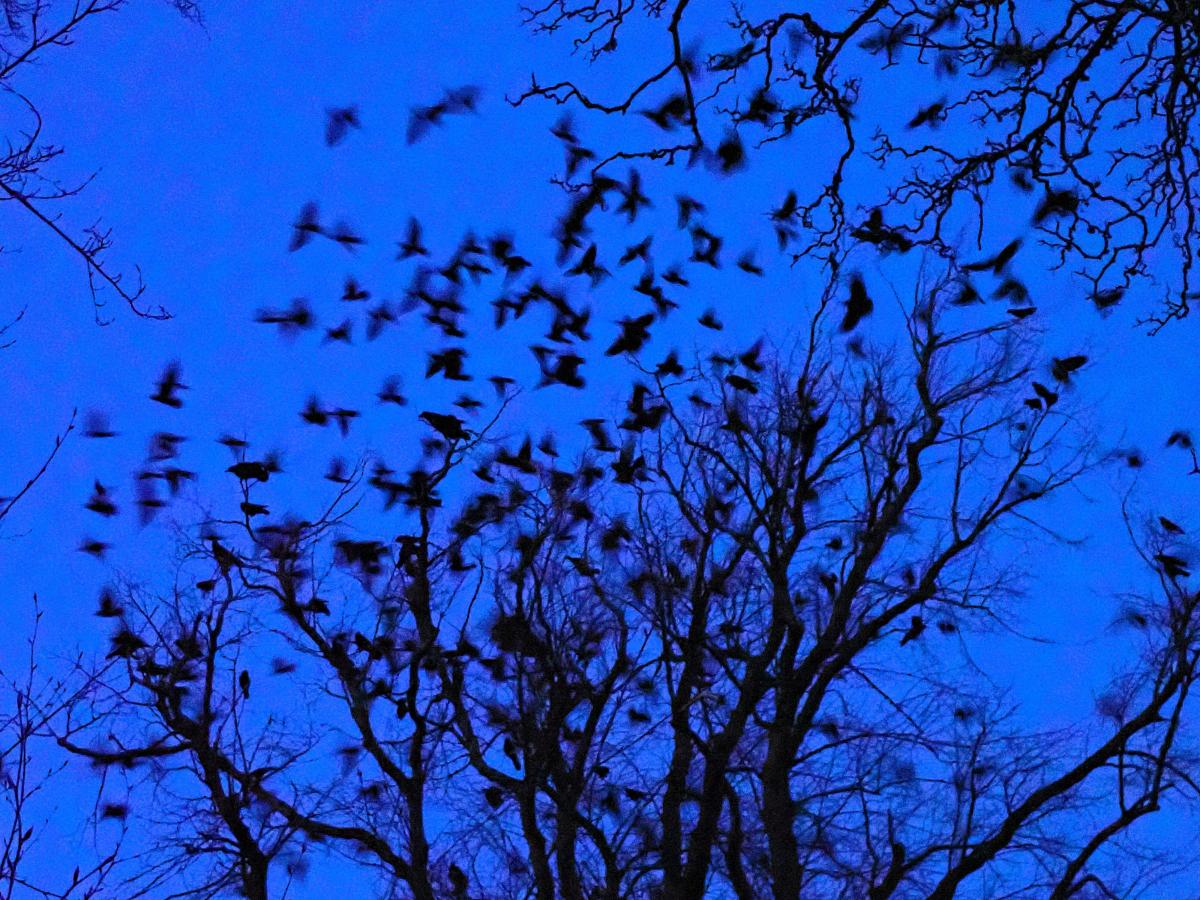
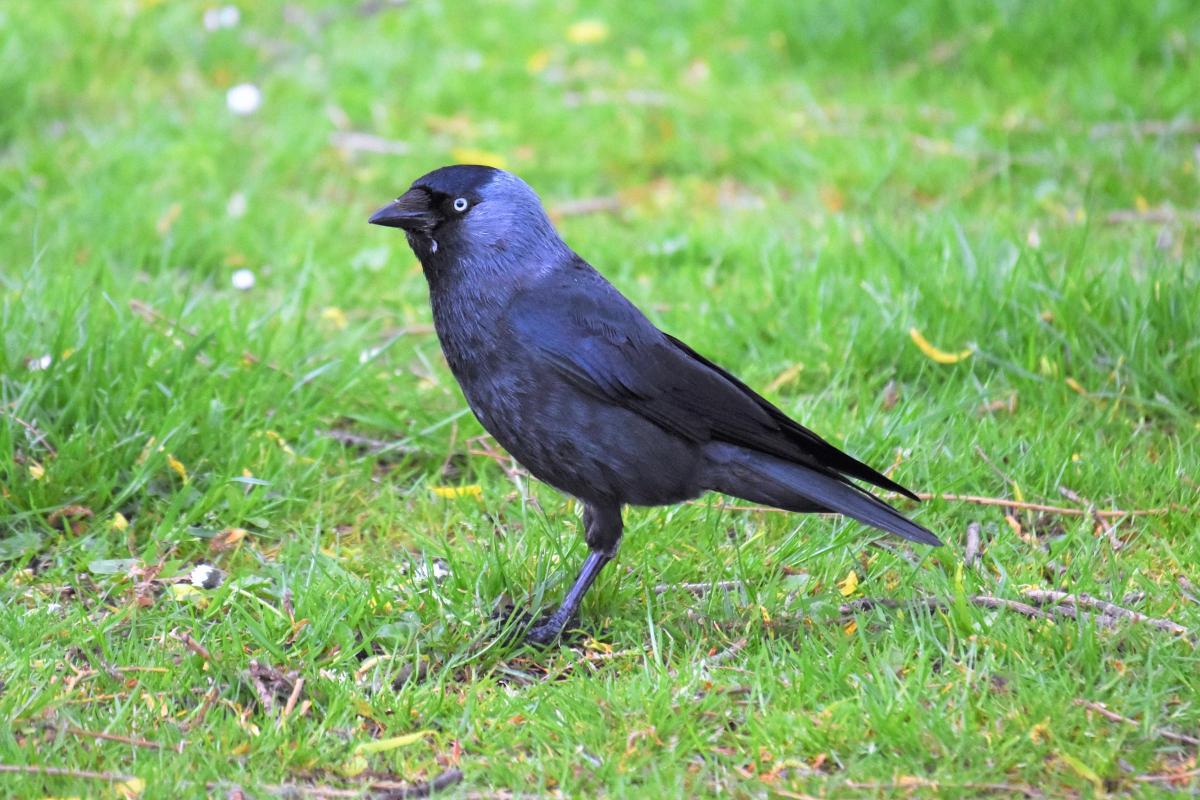
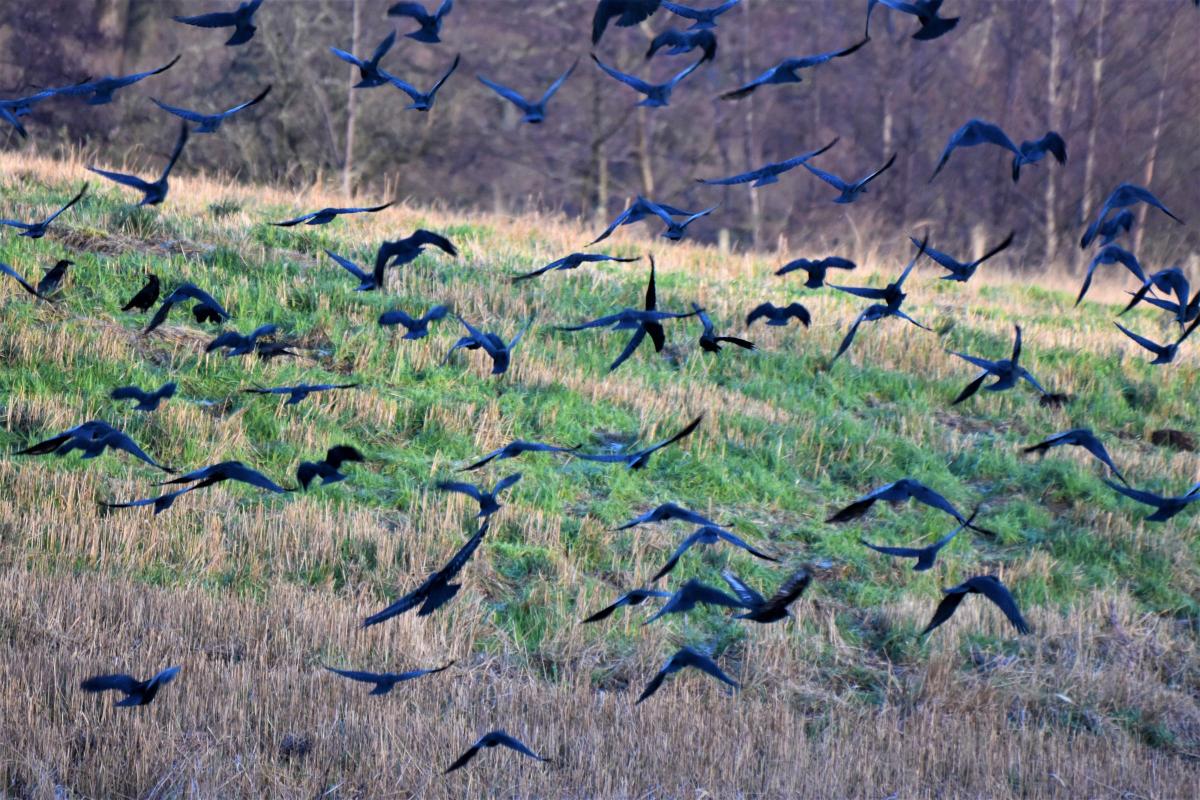
Over the winter I often witness rooks and jackdaws gathering in large flocks at dusk in Dollar, before heading to their roost in woodland at nearby Sheardale.
It is a magnificent sight as they swirl around the gloaming sky, a gathering of nature in the vast amphitheatre of the heavens.
It makes sense for rooks and jackdaws, which are both members of the crow family, to roost together as there is safety in numbers, with more pairs of eyes to look out for danger.

There will also be additional warmth by huddling close, and in the morning, they can disperse into small groups to forage in the surrounding fields.
However, with spring now approaching, the intensity of such gatherings will quickly diminish and the rooks and jackdaws will go their separate ways.
However, they are kindred spirits at heart, and will come together once more after summer’s end.


Share