



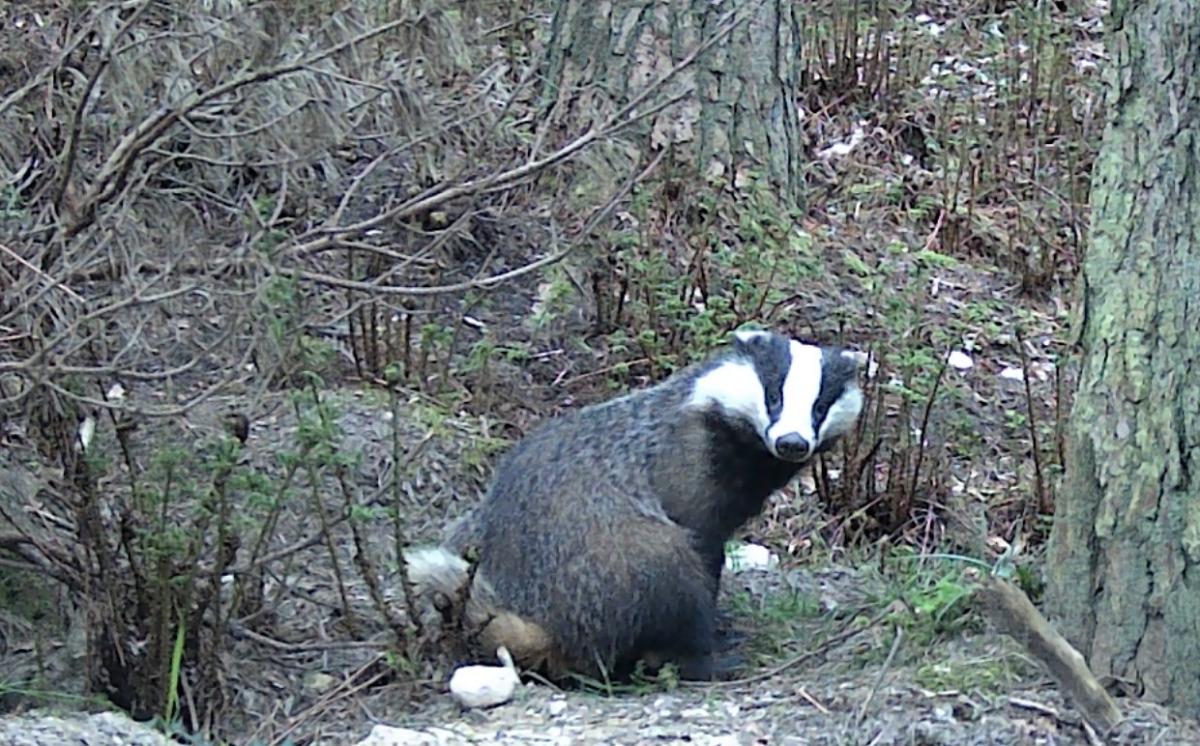

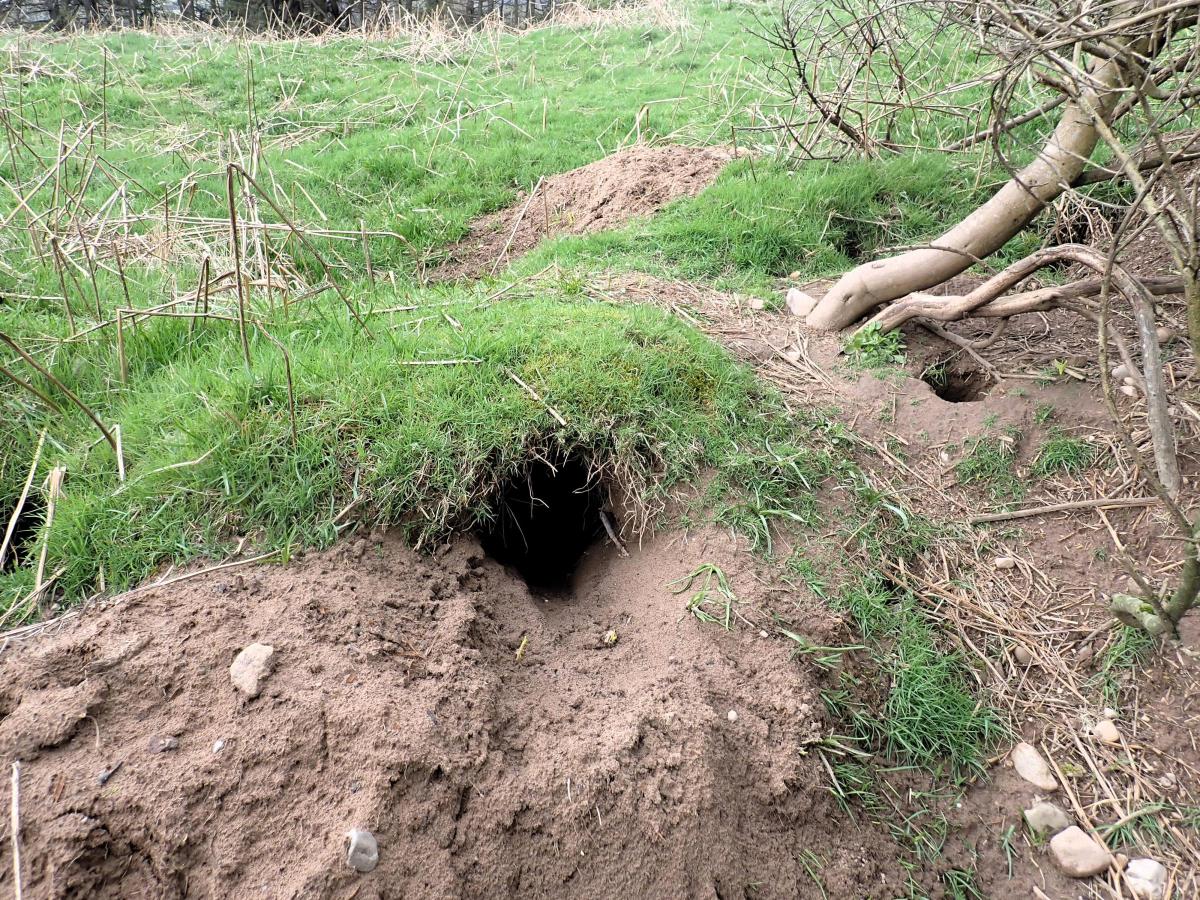

There were at least half-a-dozen rocks scattered around the spoil heap of this Wee County badger sett hidden amid thick woodland that was dappled with shadows from the early spring sun.
Lying against the backdrop of the Ochils, this sett is so remote that few people know about it, making it a haven from where the badgers can go about their daily business without being disturbed.

It is a well-established home for this badger clan, comprising an inter-linking tunnel system consisting of numerous entrance holes, which has resulted in an excavated landscape of heap and soil created by generations of badger digging.
I picked-up one of the dug rocks and turned it over gently in my hand. Covering my whole palm, it was by no means light and a testimony to the sheer power, determination and brute strength of badgers.
Stones of up to 4kg have been recorded outside some setts, which are either pushed out by the snout or dragged away backwards with the forelegs.

Nearby, a small tree bore scratch marks. At one time it was thought that badgers scratched trees to sharpen their claws, but this seems unlikely as it would probably have the opposite effect.
It is now believed that such trees are used by badgers to support their front paws when stretching their backs and legs after emerging at dusk following a long day spent underground.
It is, after all, a great way for loosening up those tight muscles. These ‘stretching’ trees may also act as marking posts, as badgers have scent glands under their forepaws.
By one of the entrance holes were some clay balls. Slightly larger than a golf ball, they are most likely created during digging when the animal tries to clean soil stuck to its claws, the rolling action of the paws creating these little earthy spheres.

I enjoy visiting this sett, it is a place to look and to wonder at this breath-taking engineered environment of real endeavour. I sat for a few more minutes, but I didn’t want to linger for too long in case my scent might cause unease among the badgers, so I carefully made my way down a slope and into a sunny clearing.
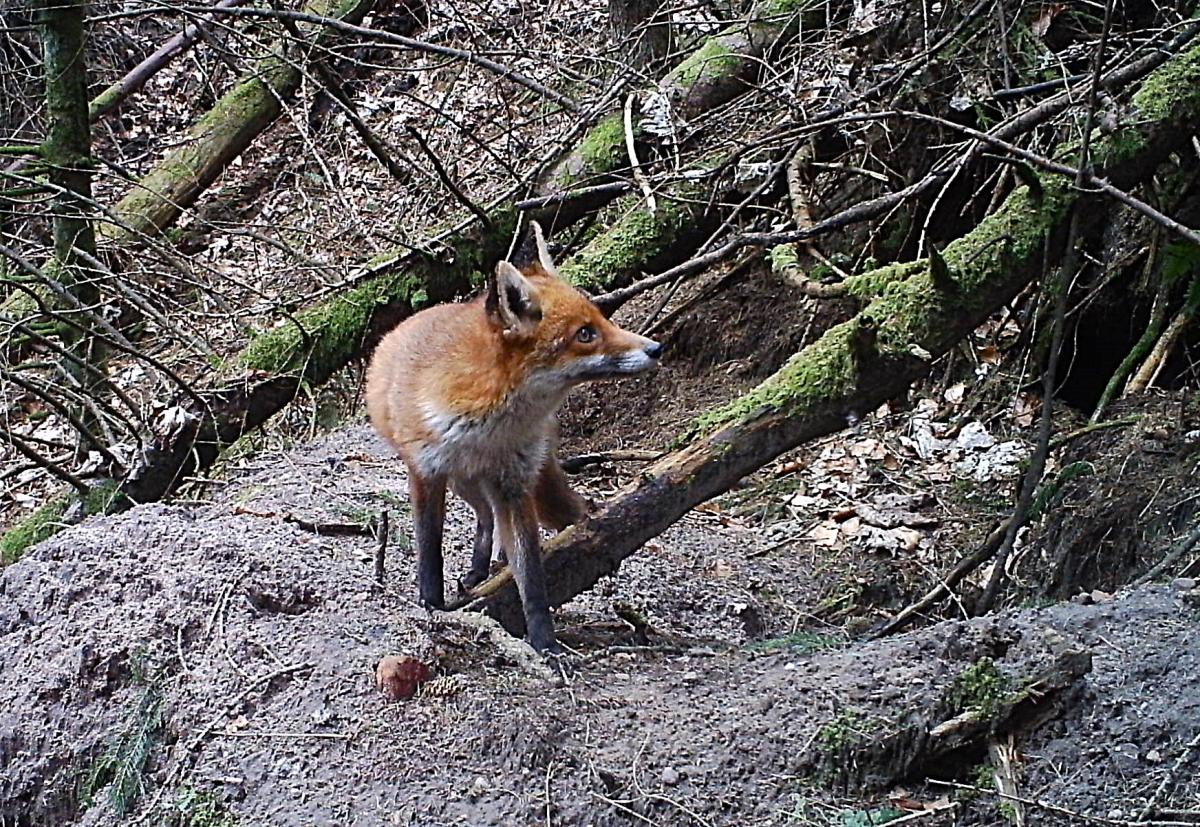
Vixens are also currently seeking out safe den sites where their four to six cubs are born by the end of March or early April.

It is a tremendously exciting time in the nature calendar and each spring I carefully search my local woodlands to seek out their dens. They are not as easy as badger setts to find, and foxes are fickle, often choosing different dens from year-to-year.
Indeed, last spring I was unable to find an active den in the Wee County for the first time in many years, which made me think I was losing my touch as a nature detective.
Hopefully, this spring my fears will prove unfounded, although crawling under thickets and exploring the steep, slippery slopes of wooded dells does become more challenging with each passing year, but at least the enthusiasm remains undiminished.


Share